
 HVAC Systems
 Heating
 Ductwork & Air Flow
 Ventilation
 Filtration
 Dehumidification
 Maintenance
 Mold
Mold Remediation & Restoration
 Pure Maintenance
 Your Home
 Building Science
 Insulation & Envelope
 Health & Safety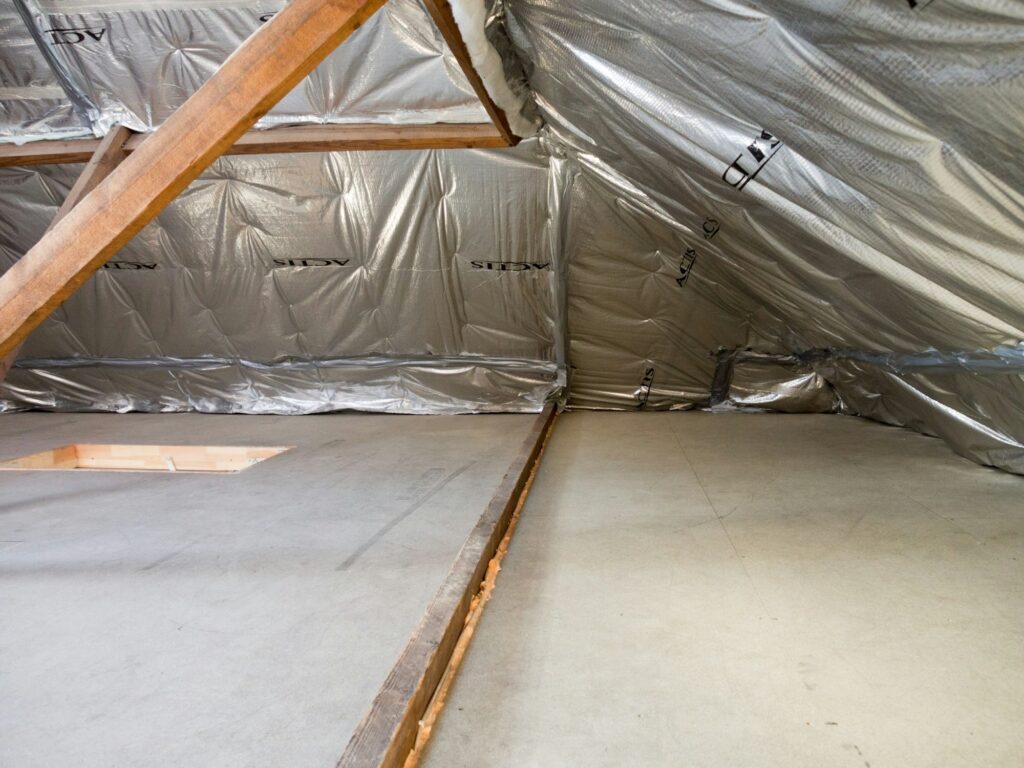
Quick answer: Insulation controls moisture by keeping surfaces from getting cold enough for humid air to condense on them and, paired with air sealing, by limiting how much humid air moves into attics and walls. Less condensation means fewer conditions for mold and wood damage. It works best alongside good humidity control from your HVAC system.
In this guide
Does insulation really help with moisture?
Yes, and not just with temperature. Leaks and standing water are the obvious moisture problems, but quiet, repeated condensation can do as much damage over time, feeding mold and slowly rotting wood. Good insulation keeps that condensation from forming in the first place.
How does insulation control moisture?
Insulation controls moisture three ways: through temperature, airflow and the materials themselves.
Thermal barrier: Insulation keeps surfaces like ceilings, walls, ducts and pipes closer to room temperature. In a Central Texas summer, the classic trouble spot is humid air meeting a surface the AC has chilled, like a poorly insulated duct running through a 130°F attic.
It’s the same physics as a glass of iced tea sweating on the porch. Keep those surfaces from getting too cold relative to the air around them, and you get less condensation and fewer hidden places for growth.
Air sealing: Many insulation jobs include air sealing to cut drafts and uncontrolled airflow. Limiting how much humid air moves between the house and the attic, or the crawl space of a pier-and-beam home, stops condensation at the source.
Moisture-resistant materials: Some materials, such as closed-cell spray foam and rigid foam board, resist absorbing water. Others, like fiberglass, don’t absorb much water but still need to stay dry to perform well. The right choice depends on where the insulation goes and how the rest of the wall or ceiling handles moisture.
How does moisture control affect indoor air quality?
Drier building materials make for a cleaner-smelling, steadier house:
- Fewer mold-friendly spots: Moisture is one of the main things mold needs. By reducing condensation, insulation makes it less likely that mold takes hold and gets circulated through your HVAC system.
- Fewer dust mites: Dust mites thrive in damp rooms. Keeping moisture and humidity in check helps limit them.
- Fewer odors: A musty smell usually means hidden dampness somewhere. Control the moisture and the air smells fresher.
- Steadier conditions: Many homeowners notice the house simply feels better when temperature and humidity hold steady. If you have health questions about your home, talk with your doctor; our focus is the moisture, humidity and HVAC side.
What other benefits come with better insulation?
Better insulation also saves energy, evens out comfort and protects the house itself:
- Energy efficiency: Moisture control and efficiency travel together. By easing the load on your HVAC system, insulation can lower energy use and your electric bill.
- Consistent comfort: Good insulation cuts down on drafts and on that one bedroom that’s always warmer than the rest of the house.
- Structural protection: Moisture weakens wood framing, damages drywall and speeds up decay. Keeping dampness in check helps your house last.
Is insulation enough to stop moisture problems?
Not on its own. Insulation manages surface temperatures, reduces air leaks and limits hidden dampness, which helps discourage mold and dust mites, but it’s one part of protecting your home’s air and structure.
In our humid climate, insulation works best as part of a system: sealed and insulated ductwork, a properly sized AC that pulls out humidity, and a dehumidifier where needed. A look in the attic every so often, and upgrades when they’re due, keep your home more efficient and better protected against moisture.
Gold Eagle handles both halves: attic insulation, and the HVAC side, from sealed, insulated ductwork to whole-home dehumidifiers.
What should you do next?
- Next time you’re in the attic, look for thin or missing insulation and ducts that sweat in summer.
- Pay attention to musty smells, which usually mean hidden dampness somewhere.
- Ask about air sealing along with any insulation upgrade.
- Book a visit or call 512-489-4653 to have Gold Eagle check your duct insulation and your AC’s humidity control.
Related guides: How Insulation Helps Control Noise in Your Home, Choosing the Right Insulation Level for Your Climate (R-Value) and How Insulation Affects Indoor Comfort Levels.
About Gold Eagle Services: This guide comes from the team at Gold Eagle Services, a family-run Austin HVAC, indoor air quality and mold remediation company founded in 2017. We’re licensed (TACLA119235 and RCO1783), insured and bonded, and we serve homes across the greater Austin area.
Need help with this in your home? Learn about our HVAC and home performance services, or call 512-489-4653 to schedule a visit.
Related Gold Eagle service: Attic insulation
More in Insulation & Envelope
All 21 guides Insulation & EnvelopeLeaky Ducts: How They Pull Attic Air and Dust Into Your HomeThe return side of your duct system runs under suction, so any leak in a return duct, filter grille or air handler cabinet in…
 Insulation & EnvelopeWhere Your Home Leaks Air: Central Texas Air Sealing PrioritiesIn most Central Texas homes, the biggest air leaks aren't windows and doors but hidden openings in the attic and ductwork. Sealing between the…
 Insulation & EnvelopeWhat R-Value Attic Insulation Do You Need in Austin?R-value measures how well insulation resists heat flow: the higher the number, the better it insulates. In Austin, the current building code minimum for…