
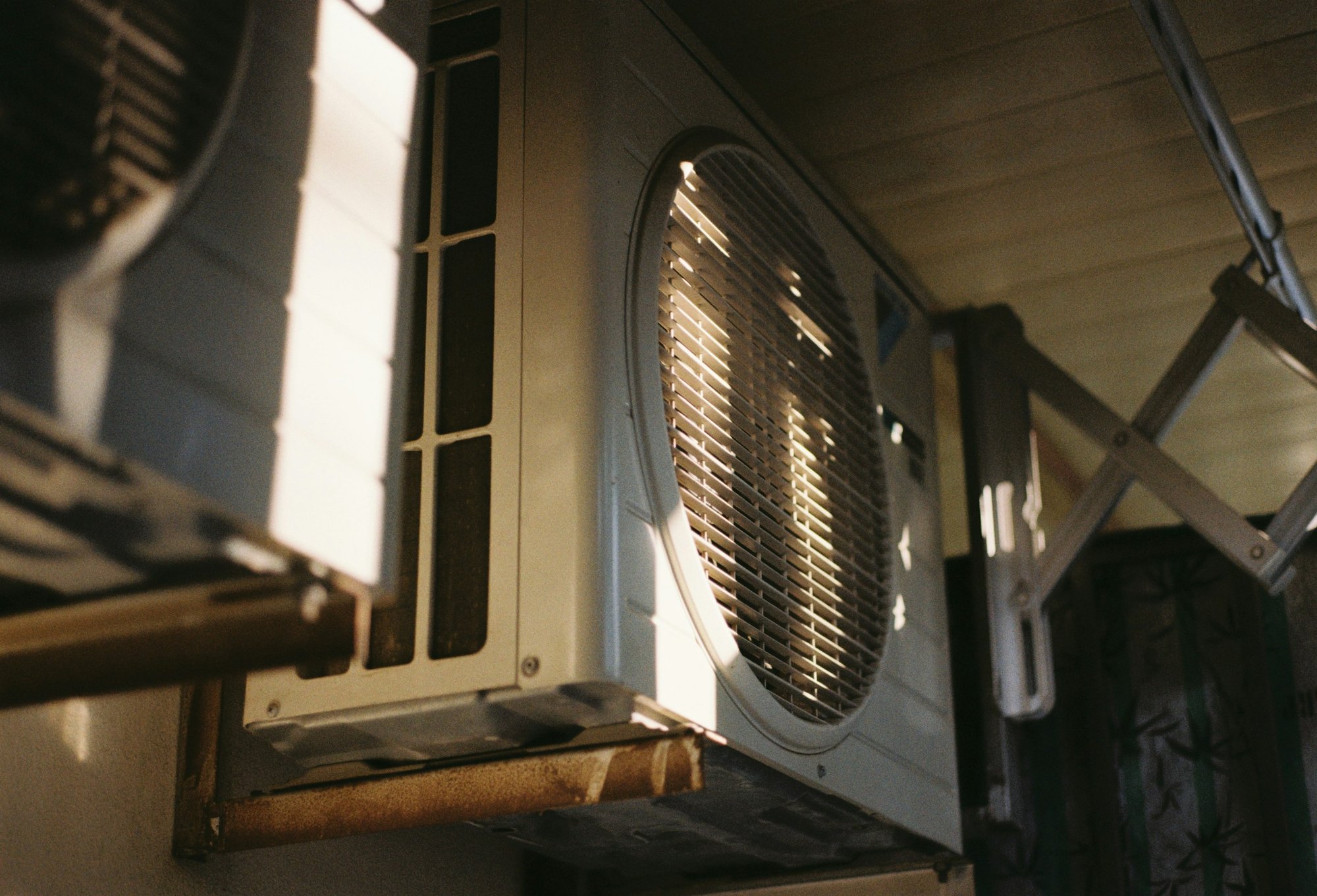
Quick answer: Banging or grinding usually means loose or worn mechanical parts, buzzing and repeated clicking are often electrical, hissing can mean a duct or refrigerant leak, and gurgling often points to the drain line or refrigerant. A new filter fixes some minor noises, but loud, new or persistent sounds need a professional inspection.
Every heating and cooling system makes some noise: the click of the thermostat, the hum of the outdoor unit, the whoosh of air through the vents. You stop hearing those after a while, which is exactly why a new sound jumps out. That’s useful. A strange noise is often the system’s way of flagging a problem early, before it turns into a breakdown on the hottest weekend of the year. Here’s what the common ones usually mean and what to do about them.
What do common HVAC noises mean?
1. Why is my HVAC banging or clanking?
Banging or clanking usually means something inside the system is loose or broken.
- Possible causes: a loose or damaged blower wheel, loose motor mounts or a problem inside the compressor.
- What to do: turn the system off and call a technician. Running it can do more damage or finish it off entirely.
2. What does a hissing sound mean?
Hissing often means air or refrigerant is escaping somewhere.
- Possible causes: leaky ductwork, a damaged refrigerant line or a faulty valve.
- What to do: duct leaks can usually be sealed. If refrigerant might be involved, call a licensed pro; refrigerant work requires certification, and a system that’s low on refrigerant has a leak that should be found and fixed, not just topped off.
3. Why is my AC buzzing?
Buzzing is usually electrical.
- Possible causes: loose wiring, a failing capacitor or contactor, or an unbalanced fan motor. Outdoor units can also buzz when debris gets caught inside.
- What to do: leave electrical problems to a professional. If you can see debris in the outdoor unit, shut off power at the disconnect or breaker before reaching for it.
4. What causes rattling?
Rattling usually means something is loose or vibrating.
- Possible causes: loose screws, access panels or duct connections, or twigs and acorns rolling around in the outdoor unit.
- What to do: make sure panels are secure and clear out debris (power off first). If the rattle keeps going, the cause is probably deeper inside and worth a professional look.
5. Is clicking normal?
A single click when the system starts or stops is normal. Repeated or constant clicking isn’t.
- Possible causes: a faulty relay or control board, a failing thermostat or debris hitting the fan.
- What to do: if the clicking is frequent or the system struggles to start, call for service.
6. Why is my HVAC whistling or squealing?
Whistling usually points to an airflow problem, while squealing tends to come from a motor.
- Possible causes: a clogged filter, closed or blocked vents, or duct leaks. A blower or fan motor with worn bearings can also squeal.
- What to do: start with a fresh filter and make sure the vents are open and unblocked. If the noise hangs around, the blower motor may need service or replacement.
7. What does grinding or screeching mean?
Usually metal wearing against metal.
- Possible causes: worn motor bearings or parts rubbing against each other.
- What to do: shut the system down and schedule service. Running it can ruin the motor.
8. Why is my AC gurgling or bubbling?
Liquid sounds usually come from one of two places: the condensate drain or the refrigerant lines.
- Possible causes: a partly clogged condensate drain line, which is common in humid Central Texas summers, or refrigerant gurgling through the lines because the charge is low from a leak.
- What to do: have a technician check the drain line and refrigerant pressures. A clogged drain can overflow onto your ceiling, and a refrigerant leak should be found and repaired.
Why shouldn’t you ignore HVAC noises?
Because they’re often the first warning of a problem that gets more expensive the longer it runs. For example:
- A clogged filter strains the blower motor and nudges your energy bill up.
- A loose part can knock into and damage other components.
- A refrigerant leak cuts efficiency and cooling capacity and can eventually damage the compressor, one of the most expensive parts to replace.
Dealing with noises quickly helps the system last longer, run efficiently and keep your bills where they should be.
Are some HVAC systems quieter than others?
Yes. How a system runs has a lot to do with how loud it is:
- Single-stage systems: tend to be louder, because they run at full blast every time they come on.
- Two-stage systems: usually quieter, since they run on the lower stage unless the house needs full capacity.
- Variable-speed systems: typically the quietest, running at low speed most of the day and skipping a lot of full-power starts and stops.
If noise is part of why you’re thinking about an upgrade, a two-stage or variable-speed system can turn the background roar into a background hum while improving comfort and efficiency. These systems also tend to carry higher SEER2 ratings.
How can you prevent HVAC noise?
Some noises need a repair no matter what, but routine care heads off a lot of them:
- Change filters regularly: a clogged filter chokes airflow and works the blower motor harder.
- Schedule maintenance twice a year: a technician can catch a worn bearing or weak capacitor before it starts making noise.
- Keep the outdoor unit clear: pull out leaves, grass clippings and debris, and keep plants trimmed back a couple of feet.
- Check for loose panels: make sure access panels are properly secured so they don’t rattle.
- Keep vents open: open, unblocked vents let air move smoothly and quietly.
The bottom line
Don’t ignore a new noise from your HVAC system. Each sound tells you something, whether it’s a loose part, an airflow restriction or an electrical problem. Some have easy fixes; others need a trained technician to keep things safe and prevent more damage. When in doubt, have a licensed technician check it out.
Listen to your system and deal with changes promptly, and you’ll have a quieter house, fewer surprise breakdowns and equipment that lasts longer. And if you’re ready for an upgrade anyway, a two-stage or variable-speed system gives you quieter operation and better performance in one move.
Related guides: 10 Signs Your HVAC System Needs Maintenance, HVAC Components: A Breakdown of the System’s Key Parts and Why Is My AC Freezing Up or Leaking Water?.
About Gold Eagle Services: This guide comes from the team at Gold Eagle Services, a family-run Austin HVAC, indoor air quality and mold remediation company founded in 2017. We’re licensed (TACLA119235 and RCO1783), insured and bonded, and we serve homes across the greater Austin area.
Need help with this in your home? Learn about our air conditioning repair and installation, or call 512-489-4653 to schedule a visit.
