
 HVAC Systems
 Heating
 Ductwork & Air Flow
 Ventilation
 Filtration
 Dehumidification
 Maintenance
 Mold
Mold Remediation & Restoration
 Pure Maintenance
 Your Home
 Building Science
 Insulation & Envelope
 Health & Safety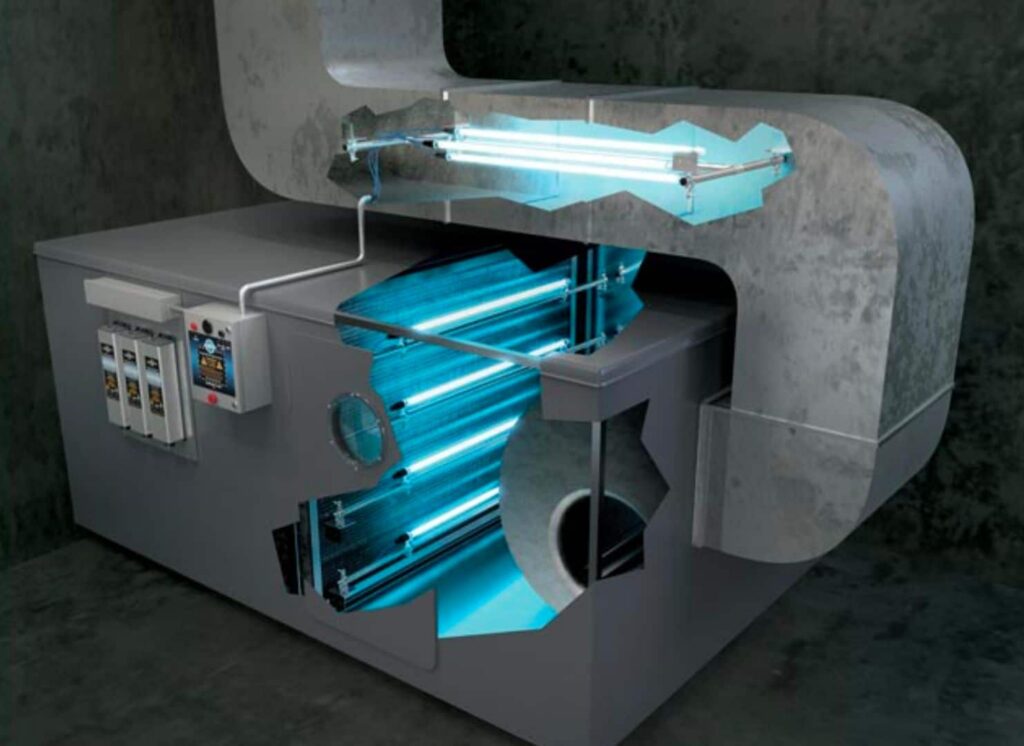
Quick answer: A UV-C light in an HVAC system is best at keeping the evaporator coil and drain pan cleaner by limiting mold and bacterial growth on surfaces it shines on all the time. It doesn’t capture dust, pollen or pet dander, and air moves past it too fast to meaningfully treat airborne mold. Pair it with good filtration and humidity control.
In this guide
What is an HVAC UV light?
It’s an ultraviolet-C (UV-C) lamp mounted inside your air handler, usually aimed at the evaporator coil. UV-C light can damage the genetic material of microorganisms like mold and bacteria, which limits their ability to grow.
The coil is the target for a reason. It’s dark, it collects dust, and during cooling season it’s wet, because that’s where your AC pulls moisture out of the air. In Central Texas the AC runs for much of the year, so that coil spends months as a damp, dusty spot with no daylight. Mold would call it a great neighborhood.
What are the benefits of UV lights in HVAC systems?
Do UV lights keep the coil and drain pan cleaner?
Yes, and that’s their best-supported use at home. The coil and drain pan sit in the light continuously, so a UV-C lamp can help limit mold and bacterial growth on those surfaces. That matters because a coil coated in growth can cause musty odors and restrict airflow.
Do UV lights help the system perform better?
They can help it hold its performance. A clean coil transfers heat better and lets air through more freely than a fouled one, so slowing the buildup helps the system keep doing its job between maintenance visits. A UV light doesn’t replace coil cleaning and regular service, though. Think of it as slowing the mess down, not eliminating it.
Can UV lights help with musty AC odors?
Sometimes. If the musty smell comes from growth on the coil or in the drain pan, keeping those surfaces cleaner may cut it down. Odors from cooking, pets or chemicals are a different problem, and they call for ventilation or activated carbon instead.
What are the downsides of UV lights in HVAC systems?
Do UV lights filter dust or pollen?
No. UV lights don’t capture dust, pet dander, pollen or any other particles. They act on microorganisms, not on what floats in the air, so you still need a good filter doing the filtering.
Do UV bulbs need to be replaced?
Yes. There’s an upfront cost to buy and install a UV system, and UV-C bulbs lose output over time, so they need periodic replacement, often every one to two years depending on the product. A bulb can still glow after it has stopped doing much, so go by the replacement schedule, not by whether it looks lit. Many units are backed by a manufacturer warranty; ask us for the details, and count bulb replacement in the long-term cost.
Does a UV light work when the system is off?
On the coil, yes, if the lamp is powered continuously. On the air, no. Any effect on moving air only happens while the blower runs, and when the system is off, the air in your home isn’t passing the light at all.
Can a UV light in your HVAC system get rid of airborne mold?
Not in any meaningful way. It sounds logical, since ultraviolet light can damage mold at a cellular level. But the real-world conditions inside a home HVAC system work against it.
Home HVAC systems commonly move somewhere around 600 to 2,000 cubic feet of air per minute (CFM). Picture each cubic foot as roughly the size of a basketball: your system is cycling through hundreds to thousands of basketballs of air every minute. At that speed a mold spore zips past the lamp in a fraction of a second, which is generally far less exposure than UV-C needs to have a real effect on it.
UV intensity also falls off quickly with distance from the bulb. Spores aren’t going to slow down, gather around the light and wait their turn. And even if a device hit a very high reduction under ideal lab conditions, a small percentage of a large number of spores is still a lot of spores.
So a UV light can help limit buildup on stationary surfaces like the evaporator coil, but it won’t clear mold out of your home’s air. Mold problems call for finding and fixing the moisture source, cleaning or remediating the affected areas, and keeping humidity in check.
Which UV light does Gold Eagle install?
We install the Dust Free LightStick Gold, a UV-C light designed to be mounted at the coil. We recommend it as a coil-cleanliness tool, paired with the right filter and good humidity control, not as a stand-alone air cleaner. We’re happy to talk through whether it makes sense for your system.
Is a UV light worth adding to your HVAC system?
It can be, if you want it for the right job. A coil UV light helps keep the coil and drain pan cleaner, which supports system performance and may help with some musty odors. It doesn’t filter particles, it needs new bulbs, and it can’t meaningfully treat airborne mold. With those expectations set, it’s a sensible add-on as part of a broader indoor air quality plan.
Related guides: High-Powered UV Lights for HVAC Systems, Optimal Placement for UV Lights in HVAC Systems: Why Location is Everything for Your Home’s Air and Dust Free Air Purification: Active Gold, LightStick Gold and Bypass HEPA.
About Gold Eagle Services: This guide comes from the team at Gold Eagle Services, a family-run Austin HVAC, indoor air quality and mold remediation company founded in 2017. We’re licensed (TACLA119235 and RCO1783), insured and bonded, and we serve homes across the greater Austin area.
Need help with this in your home? Learn about our indoor air quality solutions, or call 512-489-4653 to schedule a visit.
More in Indoor Air Quality (IAQ)
All 30 guides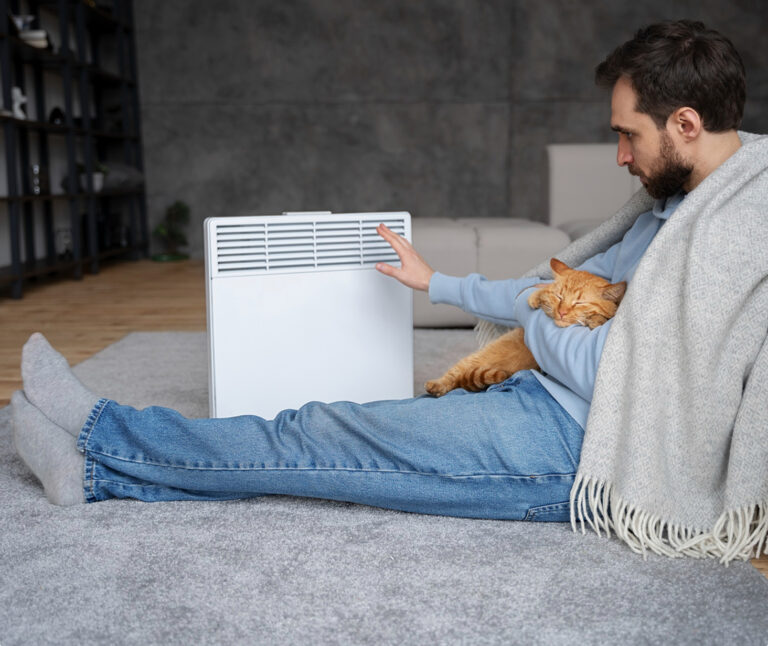 Indoor Air Quality (IAQ)Do Portable Air Purifiers Help During Austin Allergy Season?A portable HEPA purifier can lower the fine particles floating in one room, such as dust, pet dander and some pollen, if it's sized…
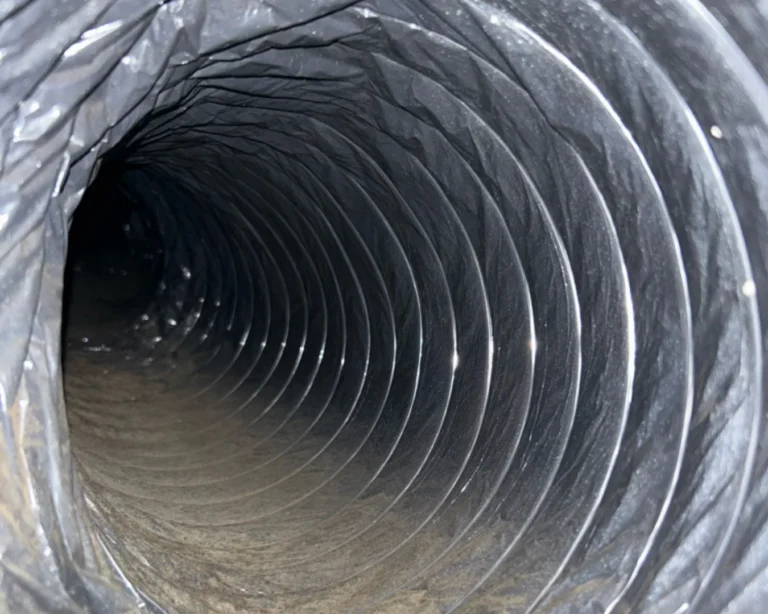 Indoor Air Quality (IAQ)Can a Dirty Air Conditioner Make You Sick?A dirty AC doesn't create germs on its own, but it can recirculate dust and, if the coil, drain pan or ducts stay wet,…
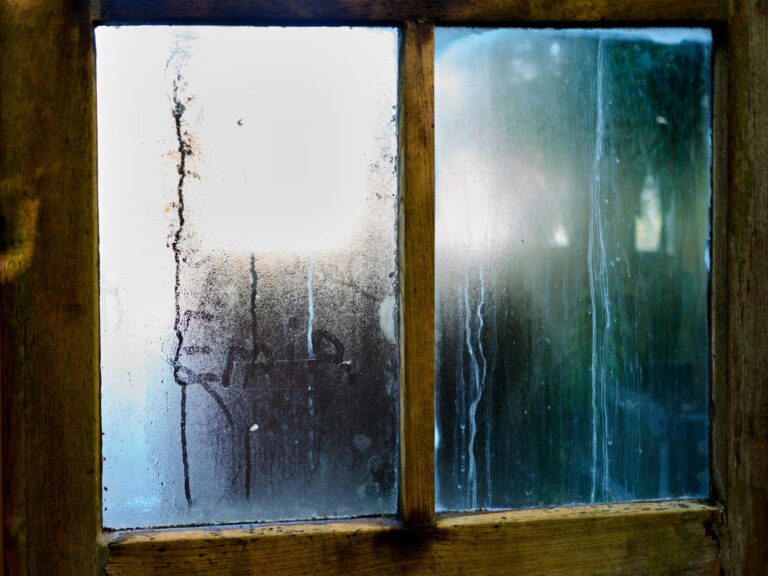 Indoor Air Quality (IAQ)Moisture From Below: Slab and Pier-and-Beam Homes in Central TexasGround moisture reaches Austin homes two ways: as vapor moving up through concrete slabs, and as humid outdoor air flowing through vented crawlspaces under…