
 HVAC Systems
 Heating
 Ductwork & Air Flow
 Ventilation
 Filtration
 Dehumidification
 Maintenance
 Mold
Mold Remediation & Restoration
 Pure Maintenance
 Your Home
 Building Science
 Insulation & Envelope
 Health & Safety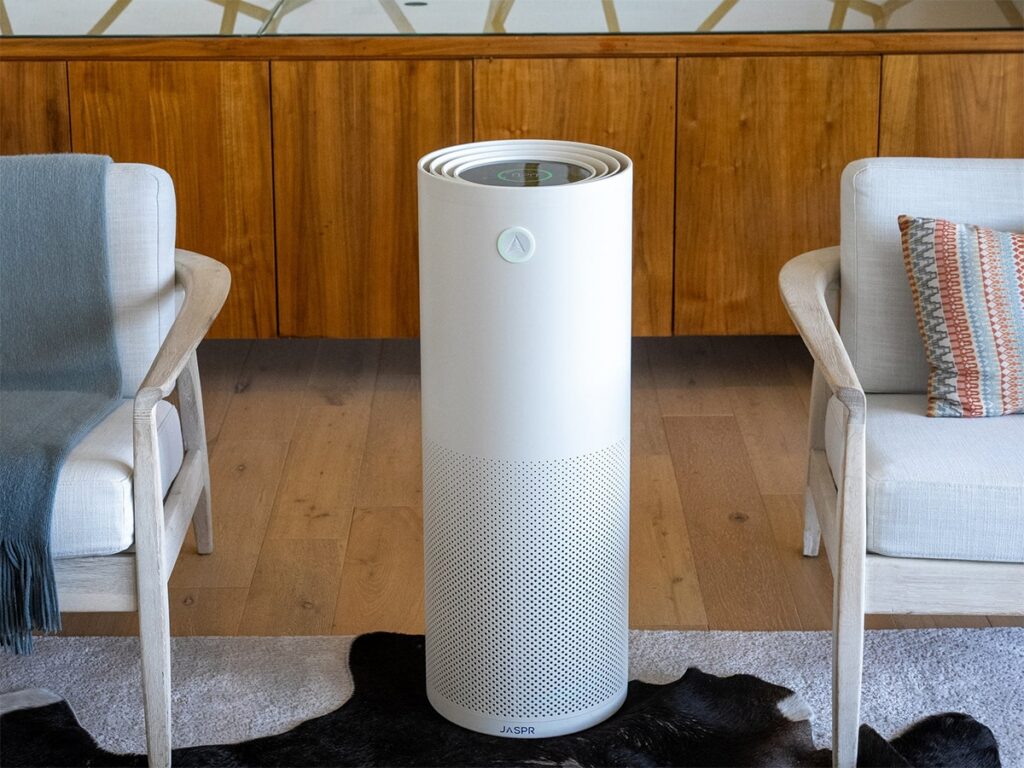
Quick answer: Pick an air purification system by the problem you want to solve. HEPA is the proven choice for dust, pollen and pet dander, activated carbon targets odors and some chemical vapors, UV-C lights help keep the AC coil clean, and electronic air cleaners catch fine particles on charged plates. It also has to fit your HVAC system.
In this guide
Why consider an air purification system?
Because a standard HVAC filter only does part of the job. Even with regular changes, a typical filter misses a lot of fine particles and does nothing for odors and gases. Depending on the technology, an air purification system can:
- Help reduce airborne particles like pollen, pet dander and dust.
- Help limit microbial growth on HVAC parts such as the coil.
- Help reduce odors, smoke smell and some chemical vapors.
- Make the air feel cleaner and fresher day to day.
Some of our customers are managing allergies or asthma and ask how their home’s air fits in. We’re not medical providers, so take health questions to your doctor. What we can do is help you cut down particles, control humidity and keep your system clean.
What types of air purification systems are there?
1. HEPA filters: how do they work?
High-Efficiency Particulate Air (HEPA) filters catch very small particles by forcing air through dense filter media. For particle capture, they’re the benchmark.
- How it works: By the common U.S. definition, a HEPA filter captures at least 99.97% of particles 0.3 microns in size.
- Best for: Homes focused on reducing dust, pollen, mold spores and pet dander in the air. Think cedar season in January, or a dog who sheds like it’s a competitive sport.
- Considerations: HEPA media is too restrictive for the main filter slot of most home systems, so it’s used in bypass units connected to the ductwork or in portable purifiers.
2. UV-C light systems: what do they actually do?
Ultraviolet-C (UV-C) lights mostly keep the inside of your AC clean. They’re installed in the air handler, usually aimed at the evaporator coil.
- How it works: UV-C light can damage the genetic material of microorganisms and is designed to limit mold and bacterial growth on surfaces it shines on continuously, like the coil and drain pan.
- Best for: Homes with a history of musty odors from the system, or coils that get grimy quickly. In Central Texas, where that coil is sweating from spring into fall, that’s a lot of homes.
- Considerations: UV-C lights don’t remove dust or allergens, and air moves past them too quickly for much effect on airborne contaminants, so pair them with good filtration.
3. Electronic air cleaners: how do they work?
Electronic air cleaners use an electrical charge to attract and trap particles.
- How it works: Particles pick up a charge as air passes through the unit and stick to collector plates or charged media.
- Best for: Homes with a mix of dust, pollen and smoke concerns.
- Considerations: Collector plates need regular cleaning, and some electronic devices can produce small amounts of ozone. Look for products certified to UL 2998, which verifies no measurable ozone output.
4. Activated carbon filters: what do they remove?
Activated carbon filters are one of the main tools for odors and chemical vapors.
- How it works: Porous carbon adsorbs (holds on its surface) many odor-causing compounds, volatile organic compounds (VOCs) and other gases.
- Best for: Homes with smoke smell, chemical odors or people who are sensitive to smells.
- Considerations: Carbon fills up and needs regular replacement. It’s often paired with HEPA or high-MERV filtration for particles.
How does air purification work with your HVAC system?
Most whole-home purifiers ride along with the system you already have, and doing that right means cleaner air without choking off airflow or efficiency.
- Whole-home systems: Installed in the ductwork or air handler, these treat air as it circulates through every room the system serves.
- Portable units: Standalone purifiers are useful for one room, such as a bedroom, but cover a limited area.
- Blower considerations: Variable-speed and two-stage systems move air more steadily, which can help whole-home purifiers treat more air over the course of a day. Single-stage systems only move air while they’re running.
At Gold Eagle Services, we install Dust Free products for these needs, including the Active Gold air purifier, the LightStick Gold UV-C coil light and the Bypass HEPA air cleaner, and we’ll recommend what fits your system.
How do you maintain an air purification system?
On schedule, or it stops doing its job. A clogged purifier is just an expensive obstacle in your ductwork.
- Filter replacement: HEPA and carbon filters need replacing according to the manufacturer’s guidelines.
- UV-C bulb changes: UV-C bulbs lose output over time, even while they still glow, and typically need replacing every one to two years depending on the product.
- Cleaning electronic plates: Electronic cleaners need periodic cleaning to keep performing.
- Professional inspections: Regular HVAC maintenance confirms the purifier is working and isn’t cutting into airflow or efficiency.
How do you choose the right air purifier for your home?
Start with your household’s main concern:
- Allergy concerns: Focus on particle capture first: the best filter your system can handle, then HEPA filtration. Add a coil UV-C light if the system has a history of musty odors.
- Odor or chemical sensitivity: Look at source control and ventilation first, then activated carbon.
- General air quality: A medium-to-high MERV filter, good humidity control and regular maintenance, with a supplemental purifier if you want more.
- HVAC compatibility: Always confirm your system can handle a denser filter or add-on equipment without losing airflow or efficiency.
The bottom line
An air purification system is a useful tool, as long as it’s matched to the problem you’re trying to solve. HEPA filtration, UV-C lights, electronic cleaners and carbon filters each do a different job: particles, coil buildup, fine dust and smoke, or odors.
Pick the one that fits your concern, make sure it plays nicely with your HVAC system, and keep up with the maintenance so it keeps working year-round. If you’d like help choosing, we’re happy to look at your system and talk it through.
Related guides: Bipolar Ionization vs. Other Air Purification Methods, Dust Free Air Purification: Active Gold, LightStick Gold and Bypass HEPA and Decon7 (D7): A Targeted Tool for Indoor Air Quality.
About Gold Eagle Services: This guide comes from the team at Gold Eagle Services, a family-run Austin HVAC, indoor air quality and mold remediation company founded in 2017. We’re licensed (TACLA119235 and RCO1783), insured and bonded, and we serve homes across the greater Austin area.
Need help with this in your home? Learn about our indoor air quality solutions, or call 512-489-4653 to schedule a visit.
More in Indoor Air Quality (IAQ)
All 30 guides Indoor Air Quality (IAQ)Do Portable Air Purifiers Help During Austin Allergy Season?A portable HEPA purifier can lower the fine particles floating in one room, such as dust, pet dander and some pollen, if it's sized…
 Indoor Air Quality (IAQ)Can a Dirty Air Conditioner Make You Sick?A dirty AC doesn't create germs on its own, but it can recirculate dust and, if the coil, drain pan or ducts stay wet,…
 Indoor Air Quality (IAQ)Moisture From Below: Slab and Pier-and-Beam Homes in Central TexasGround moisture reaches Austin homes two ways: as vapor moving up through concrete slabs, and as humid outdoor air flowing through vented crawlspaces under…