
 HVAC Systems
 Heating
 Ductwork & Air Flow
 Ventilation
 Filtration
 Dehumidification
 Maintenance
 Mold
Mold Remediation & Restoration
 Pure Maintenance
 Your Home
 Building Science
 Insulation & Envelope
 Health & Safety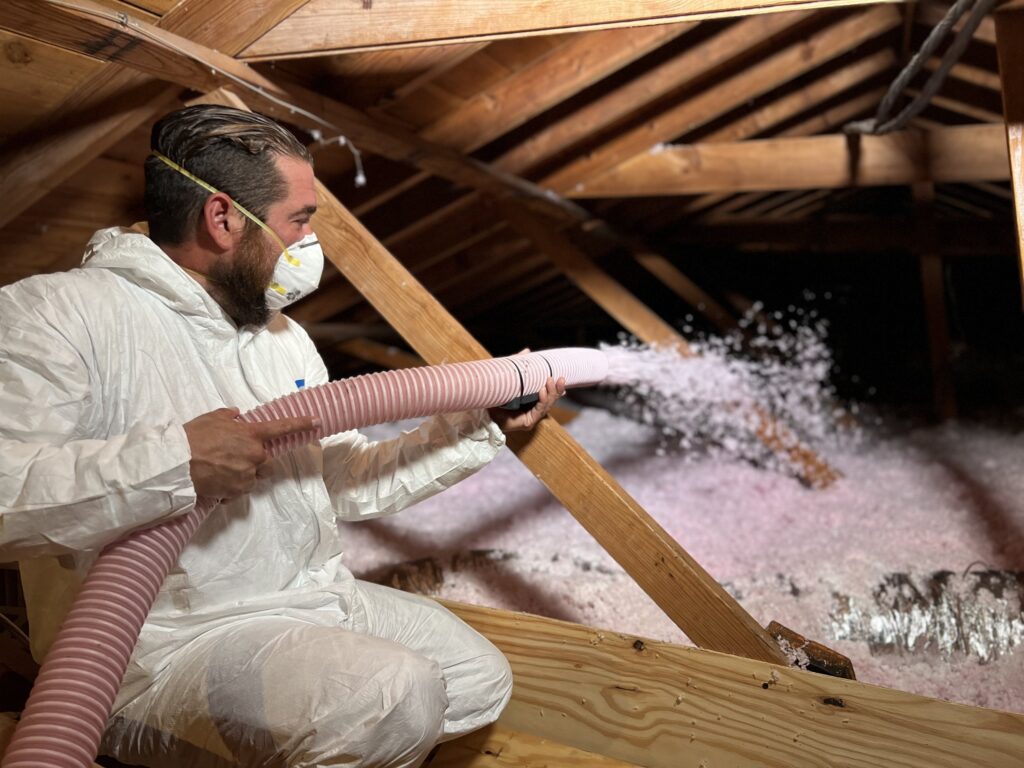
Quick answer: Insulation only performs as well as it’s installed. Professional installation includes air sealing, attic baffles for ventilation, sealing around light fixtures and other penetrations, and meeting building codes. Those details prevent moisture problems and wasted energy in Central Texas homes.
In this guide
- Why does professional insulation installation matter?
- 1. What do experienced installers do differently?
- 2. Why is air sealing part of insulation work?
- 3. What do attic baffles do?
- 4. Why do light fixtures and ceiling penetrations need attention?
- 5. How does professional installation keep you within building codes?
- 6. Does professional installation help insulation last?
- What should you do next?
Why does professional insulation installation matter?
The same bag of insulation can perform well or poorly depending on who puts it in. Good material installed with gaps, squashed spots or blocked vents won’t reach its rated R-value (its resistance to heat flow), and it can create problems of its own, like trapped moisture and wasted energy.
Here are six things a professional install gets right that a rushed or DIY job often misses.
1. What do experienced installers do differently?
They pick the right material for each spot and install it without gaps or compression.
- Choosing the right material: Installers walk you through the forms of insulation (batt, blown-in, spray foam and so on) and materials (fiberglass, cellulose, mineral wool, hemp and others), then recommend one based on your home, the Central Texas climate, the existing structure and local building codes.
- Using the right technique: Attics, walls, pier-and-beam crawl spaces and rim joists each call for different methods. Skilled installers cut, fit, blow or spray insulation so no gaps or squashed areas drag down the R-value.
2. Why is air sealing part of insulation work?
Insulation slows heat, but it doesn’t stop air. Gaps, cracks and leaks are highways for air, and cooled air escaping through them wastes a lot of energy. Professional installers seal those openings before the insulation goes in, since they’re much harder to find once they’re buried under a foot of fluff.
- Keeping cooled air inside: Sealing around supply ductwork, electrical penetrations and plumbing stacks keeps the air you paid to cool from leaking into the attic, and keeps hot attic air out of your living space. The result is steadier temperatures and real energy savings.
- Cutting drafts: Thorough air sealing reduces drafts, keeps the house more comfortable year-round and takes load off your HVAC system.
3. What do attic baffles do?
Baffles keep insulation from blocking the attic’s ventilation. Also called rafter vents, they hold a channel open so air can flow from the soffit vents under the eaves up toward the ridge vent.
- Keeping air moving: Installers place baffles correctly and keep them clear, so air keeps flowing through the attic. That helps prevent moisture buildup, which can lead to mold in our humid climate, and limits how much heat collects up there in summer, which also protects your roofing materials.
- Balancing the attic: Good ventilation helps keep attic temperature and humidity in check, which eases the load on your HVAC system.
4. Why do light fixtures and ceiling penetrations need attention?
They’re some of the leakiest spots in the ceiling. Recessed lights, exhaust fans, electrical boxes and anything else that passes from the ceiling into the attic can let heat and air move freely.
- Sealing fixtures: A professional install uses attic light covers (rated for insulation contact where needed) or other seals to stop air leaking through recessed lights and other penetrations. That cuts energy loss and helps keep indoor temperatures steady.
- Safety: Handling insulation correctly around light fixtures and other heat-producing parts is a real safety step that reduces the risk of overheating and fire.
5. How does professional installation keep you within building codes?
Reputable installers know the local codes, efficiency standards and safety rules in Central Texas, and they make sure your job meets them.
- R-value requirements: Installers know the required and recommended R-values for our climate and insulate to meet or exceed them.
- Safety rules: Following safety requirements, including proper ventilation, keeps the installation from creating fire hazards, moisture problems or other dangers for the people in the house.
6. Does professional installation help insulation last?
Yes. A good install performs better on day one and keeps performing years later.
- Warranty protection: Many insulation manufacturers require professional installation to honor their product warranties, so a professional job helps protect what you’ve spent.
- Fewer problems: Proper technique reduces the risk of settling, moisture and air leaks, which means fewer insulation repairs down the road.
Gold Eagle installs attic insulation across the Austin area, and because the ducts share the attic, we check the ductwork on the same visit.
What should you do next?
- Look in from the attic hatch for gaps, compressed spots or insulation blocking the soffit vents.
- Note recessed lights, exhaust fans and other spots where the ceiling opens into the attic.
- Ask any installer whether they air seal before insulating and put in baffles.
- Book a visit or call 512-489-4653 and Gold Eagle will look at the attic, ductwork and HVAC system together.
Related guides: Owens Corning ProCat® Professional Loosefill Insulation, Choosing the Right Insulation Level for Your Climate (R-Value) and How Insulation Helps Control Noise in Your Home.
About Gold Eagle Services: This guide comes from the team at Gold Eagle Services, a family-run Austin HVAC, indoor air quality and mold remediation company founded in 2017. We’re licensed (TACLA119235 and RCO1783), insured and bonded, and we serve homes across the greater Austin area.
Need help with this in your home? Learn about our indoor air quality solutions, or call 512-489-4653 to schedule a visit.
Related Gold Eagle service: Attic insulation
More in Insulation & Envelope
All 21 guides Insulation & EnvelopeLeaky Ducts: How They Pull Attic Air and Dust Into Your HomeThe return side of your duct system runs under suction, so any leak in a return duct, filter grille or air handler cabinet in…
 Insulation & EnvelopeWhere Your Home Leaks Air: Central Texas Air Sealing PrioritiesIn most Central Texas homes, the biggest air leaks aren't windows and doors but hidden openings in the attic and ductwork. Sealing between the…
 Insulation & EnvelopeWhat R-Value Attic Insulation Do You Need in Austin?R-value measures how well insulation resists heat flow: the higher the number, the better it insulates. In Austin, the current building code minimum for…