
 HVAC Systems
 Heating
 Ductwork & Air Flow
 Ventilation
 Filtration
 Dehumidification
 Maintenance
 Mold
Mold Remediation & Restoration
 Pure Maintenance
 Your Home
 Building Science
 Insulation & Envelope
 Health & Safety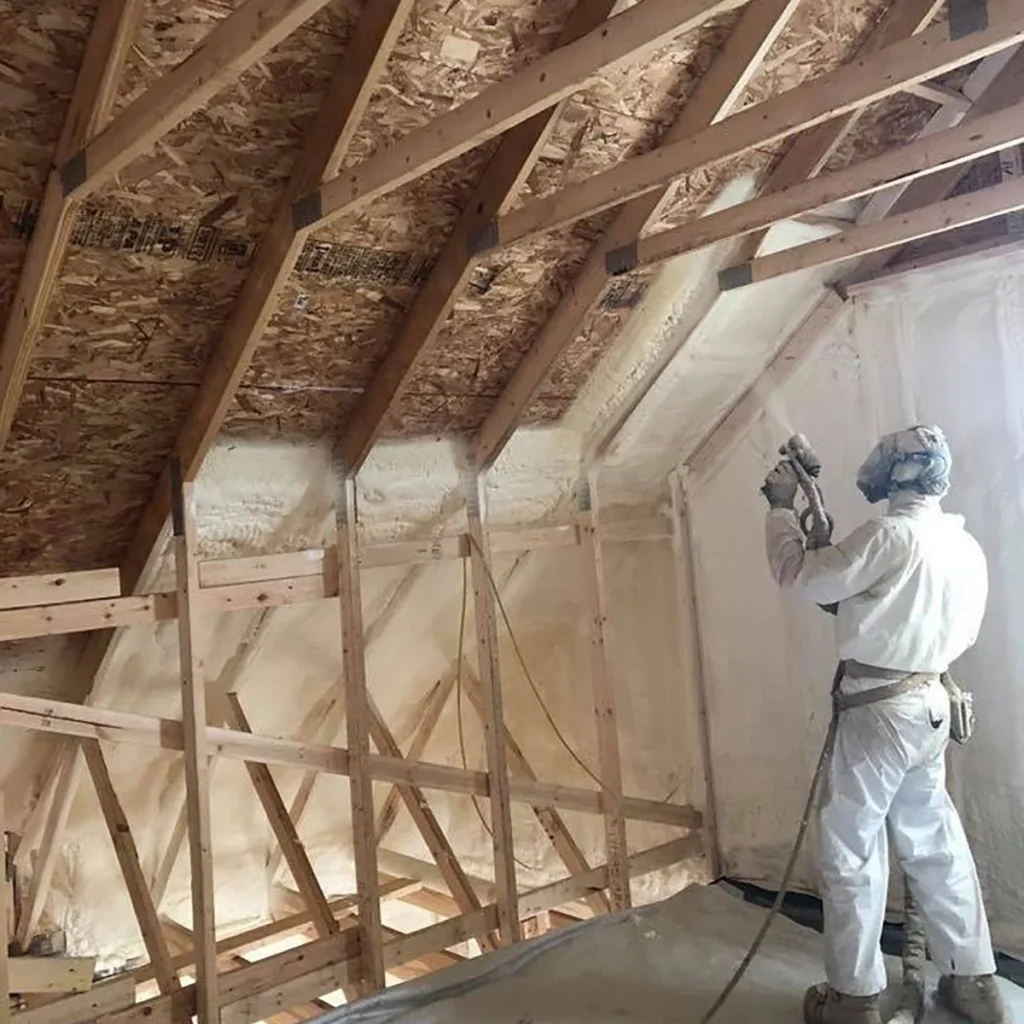
Quick answer: Spray foam on the underside of the roof deck turns the attic into conditioned space, keeping attic ductwork out of extreme heat and sealing air leaks in one step. The trade-offs: it changes your heat load, depends on good installation, can require gas appliance changes and makes moisture control more important.
Spray foam has a reputation as one of the most effective ways to improve how well a house holds its temperature. It expands on contact and fills gaps as it goes, creating an airtight layer that traditional insulation has a hard time matching. It’s especially popular in Central Texas, where the attic can top 130°F in August and the air outside is often thick enough to wring out.
But spray foam isn’t magic in a can. It has real advantages, like bringing your attic inside the conditioned part of the house and evening out temperatures, and it has real trade-offs. Here are both sides, so you can decide whether it’s the right fit for your home.
What are the advantages of spray foam insulation?
The biggest advantage is a cooler, more stable attic for your ductwork and equipment, followed by air sealing and insulation in one step.
1. It creates a conditioned attic
With this approach, spray foam goes on the underside of the roof deck instead of the attic floor. That moves your home’s thermal boundary up to the roofline, so the attic becomes part of the “conditioned” side of the house instead of a summer oven sitting on top of it.
- Ductwork and HVAC equipment in the attic now run in a much cooler, more stable environment.
- Seasonal temperature swings in the attic shrink dramatically, which helps your HVAC system work less and last longer.
2. More even comfort through the house
Because spray foam seals air leaks and insulates at the same time, it cuts down on drafts and reduces hot and cold spots. Rooms tend to stay closer to the same temperature, even the ones far from the thermostat.
3. High R-value and air sealing in one step
Fiberglass and cellulose slow heat transfer, but they don’t stop air from moving through them. Spray foam insulates and air seals in a single application, so you get more performance out of the same space.
4. Less dust, pollen and outdoor air sneaking in
By sealing gaps, spray foam closes off entry points for outdoor dust, pollen and pollutants, which can help improve indoor air quality.
What are the downsides of spray foam insulation?
Spray foam changes how the whole house behaves, so the downsides show up in your HVAC sizing, your gas appliances and your humidity, and in how much rides on the installer.
1. It changes your home’s heat load
Spray foam significantly changes how your home gains and loses heat. Your HVAC system was probably sized for a vented attic, which means higher heating and cooling demands. Once the foam is in, that load drops. If the system isn’t reevaluated, you may see short-cycling, humidity problems or just so-so performance: a system that’s now too big for the house it’s in.
2. It’s a “science experiment in a can”
Spray foam is mixed and made on site, so how it performs depends heavily on the installer. If the mix ratio, temperature or application technique is off, you can end up with foam that doesn’t cure properly, gives off odors or doesn’t insulate as intended. Unlike fiberglass batts, you can’t just “fluff it back up.” Fixing bad foam often means removing it, which is costly and invasive.
3. Gas appliances may need changes
When an attic goes from vented to unvented (conditioned), any gas-burning appliance up there has to be looked at. A traditional furnace or water heater with a metal flue pulls its combustion air from the space around it, and in a sealed attic that can lead to dangerous backdrafting of combustion gases into the home. Meeting code typically means switching to sealed-combustion equipment, which usually vents through PVC pipe, or providing a proper outdoor combustion air supply. Your contractor and local code official should confirm what’s required.
4. Moisture control matters more
A tightly sealed home is great for energy efficiency, but without enough ventilation, moisture from cooking, showers and everyday living can get trapped. Over time, excess humidity can lead to mold growth or damage to materials. With spray foam, you may need to add mechanical ventilation or a whole-home dehumidifier to keep indoor humidity in check, ideally around 40-60%.
When is spray foam worth it?
Spray foam is often worth the investment if:
- Your HVAC equipment or ductwork is in the attic, which describes a lot of Central Texas homes.
- You plan to stay in the home long enough for the energy savings to offset the higher upfront cost.
- You’re working with a trusted contractor who has real experience with spray foam.
- You’re ready to handle ventilation, moisture control and any appliance upgrades that come with it.
The bottom line
Spray foam can make a big difference in your home’s comfort and energy efficiency while giving your HVAC system a much friendlier place to work. But it isn’t a “set it and forget it” upgrade. It changes how your home handles heat, airflow and moisture. The best results come from pairing it with the right HVAC adjustments, proper ventilation and careful installation by a reputable professional.
Related guides: Confessions from an HVAC Contractor: The Spray Foam Mistakes We See in Homeowners’ Attics, A Homeowner’s Guide to Buying a Home with Spray Foam Insulation and Choosing the Right Insulation Level for Your Climate (R-Value).
About Gold Eagle Services: This guide comes from the team at Gold Eagle Services, a family-run Austin HVAC, indoor air quality and mold remediation company founded in 2017. We’re licensed (TACLA119235 and RCO1783), insured and bonded, and we serve homes across the greater Austin area.
Need help with this in your home? Learn about our indoor air quality solutions, or call 512-489-4653 to schedule a visit.
Related Gold Eagle service: Attic insulation
More in Insulation & Envelope
All 21 guides Insulation & EnvelopeLeaky Ducts: How They Pull Attic Air and Dust Into Your HomeThe return side of your duct system runs under suction, so any leak in a return duct, filter grille or air handler cabinet in…
 Insulation & EnvelopeWhere Your Home Leaks Air: Central Texas Air Sealing PrioritiesIn most Central Texas homes, the biggest air leaks aren't windows and doors but hidden openings in the attic and ductwork. Sealing between the…
 Insulation & EnvelopeWhat R-Value Attic Insulation Do You Need in Austin?R-value measures how well insulation resists heat flow: the higher the number, the better it insulates. In Austin, the current building code minimum for…