
 HVAC Systems
 Heating
 Ductwork & Air Flow
 Ventilation
 Filtration
 Dehumidification
 Maintenance
 Mold
Mold Remediation & Restoration
 Pure Maintenance
 Your Home
 Building Science
 Insulation & Envelope
 Health & Safety
Quick answer: The most common indoor air quality (IAQ) problems in Austin homes are pollen, dust, pet dander, VOCs, high humidity and mold. Fix the source first: humidity, air leaks and the HVAC system. Some homeowners then add a dry fog odor treatment from our sister company, Pure Maintenance of Central Texas, and keep control with filtration, ventilation, dehumidification and a sealed attic.
In this guide
What are the signs of an indoor air quality problem?
The house usually tells you. Common clues in Austin homes:
- Cedar, oak or other seasonal pollen that seems to follow you indoors
- Dust back on the furniture two days after you cleaned, lots of pet dander, or a musty smell
- A sticky, clammy feel, or mildew showing up in bathrooms, closets or around vents
- HVAC trouble from dust buildup, like clogged filters and dirty coils
- Feeling stuffier or sneezing more inside than out
Take that last one seriously, but what’s behind it is a question for your doctor. This guide sticks to the house and the air moving through it.
What IAQ problems are most common in Austin homes?
Pollen, humidity and mold, dust, and the chemicals and dander that build up in any lived-in house:
- Cedar and oak pollen: cedar season usually runs December through February, and oak takes over in spring. Both ride inside on doors, windows, clothes, pets and leaky ducts.
- Mold and humidity: mold likes it warm and damp, and Central Texas supplies both. An AC that runs in short bursts, or a leaky duct sweating in a hot attic, leaves moisture behind.
- Dust and outdoor pollution: a growing metro with heavy traffic and constant construction puts more particles in the outdoor air, and some of them end up inside.
- Pet dander and VOCs: volatile organic compounds are gases that come off cleaning products, furniture, paint and other everyday items. Add pets, and your filter has more to catch.
You can check current outdoor conditions on our Austin air quality index.
How do Gold Eagle Services and Pure Maintenance treat indoor air?
We start with the HVAC system, because many air quality problems begin there: poor ventilation, weak humidity control or clogged filters. If a whole-home treatment fits the plan, our sister company, Pure Maintenance of Central Texas (512-904-4646), performs a whole-home dry fog treatment for indoor air quality.
Dry fog is not a mold treatment. Mold in your AC system or ductwork? Call Gold Eagle Services, a licensed Texas mold remediation company that handles HVAC mold. Mold in walls, attics or belongings goes to a general mold remediation company.
Step 1: Whole-home dry-fog treatment (performed by Pure Maintenance of Central Texas)
A very fine dry fog drifts through rooms, closets, HVAC ducts and crevices that regular cleaning can’t reach. It helps control odor-causing microbes on hard, non-porous surfaces, neutralizes odors and temporarily reduces airborne particulates as it settles. The treatment takes one day, and the home stays empty for 2 to 4 hours afterward to air out.
Pure Maintenance doesn’t perform or collect lab testing. If you want your air tested, or you’ve had a leak or visible growth, start with an independent state-licensed mold assessor.
Step 2: Extended protection
Next, an antimicrobial coating leaves a thin, invisible layer on hard, non-porous surfaces that helps keep odor-causing microbes from settling back in between treatments.
- No demolition or construction
- Non-invasive: you can return home the same day
- A follow-up layer that works on hard surfaces between treatments
How do you keep indoor air clean long-term?
A treatment resets the house. Keeping it that way comes down to a few habits and upgrades:
- Better filtration and ventilation: high-efficiency filters capture dust, pollen and mold spores, and balanced ventilation brings in fresh, filtered air instead of whatever leaks in on its own.
- Targeted dehumidification: holding indoor humidity around 45-55% makes it hard for mold to grow. In an Austin July, your AC alone doesn’t always get there, and a whole-home dehumidifier can.
- A sealed and insulated attic: cuts the temperature swings and moisture buildup that feed mold, and helps your HVAC run more efficiently. An attic that hits 130°F in August is hard on everything up there.
- Smart monitoring: smart thermostats and sensors with real-time alerts, including water-leak alerts, help you keep conditions right year-round.
- UV lights: UV-C light aimed at the indoor coil helps keep it clean. If anyone offers you an ionizer, ask for independent test results first.
What happens during an IAQ consultation?
We look first, then recommend. Here’s how a Gold Eagle indoor air quality consultation goes:
- Assessment: we check your home’s air, humidity levels and problem areas.
- Recommendations: we suggest only the fixes that fit what we found, not a one-size package.
- Installation: we install upgrades with as little disruption as possible.
- Follow-up: we check back to make sure everything works as it should.
What should you do next?
- Check your HVAC filter and change it if it’s dirty.
- Put a hygrometer (a small humidity meter) in the house and aim for indoor humidity around 45-55%.
- Note where you see dust, mildew or a musty smell.
- Book an IAQ consultation to have the system and problem areas checked.
Related guides: How to Improve Indoor Air Quality with Your HVAC System, What Are MERV Ratings, and How Do They Affect IAQ? and Air Purification Systems: Choosing the Right One for Your Home.
Want to see what the air is doing outside right now? Check today’s Austin air quality and pollen levels.
About Gold Eagle Services: This guide comes from the team at Gold Eagle Services, a family-run Austin HVAC, indoor air quality and mold remediation company founded in 2017. We’re licensed (TACLA119235 and RCO1783), insured and bonded, and we serve homes across the greater Austin area.
Need help with this in your home? Learn about our indoor air quality solutions, or call 512-489-4653 to schedule a visit.
More in Filtration
All 8 guides FiltrationDo Portable Air Purifiers Help During Austin Allergy Season?A portable HEPA purifier can lower the fine particles floating in one room, such as dust, pet dander and some pollen, if it's sized…
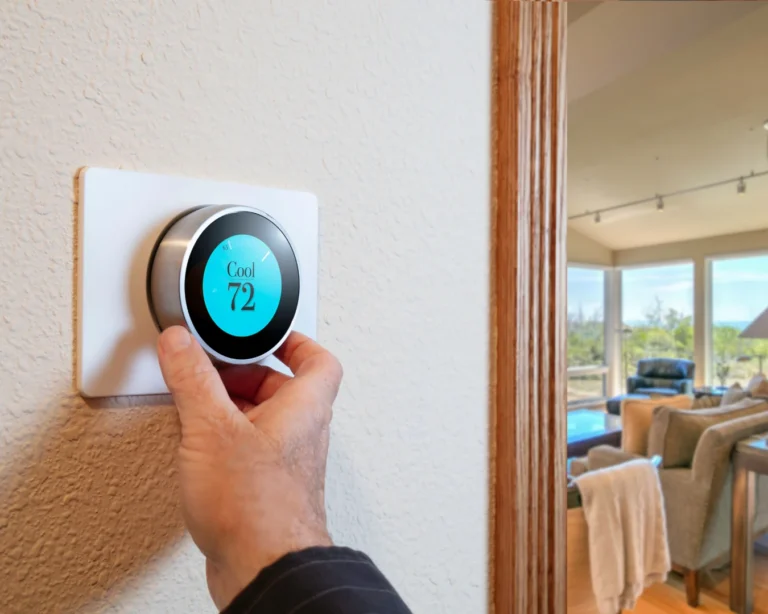 FiltrationShould You Run Your HVAC Fan on ON or AUTO?For most Austin homes, AUTO is the better fan setting in cooling season. On AUTO, water on the cold AC coil drains away after…
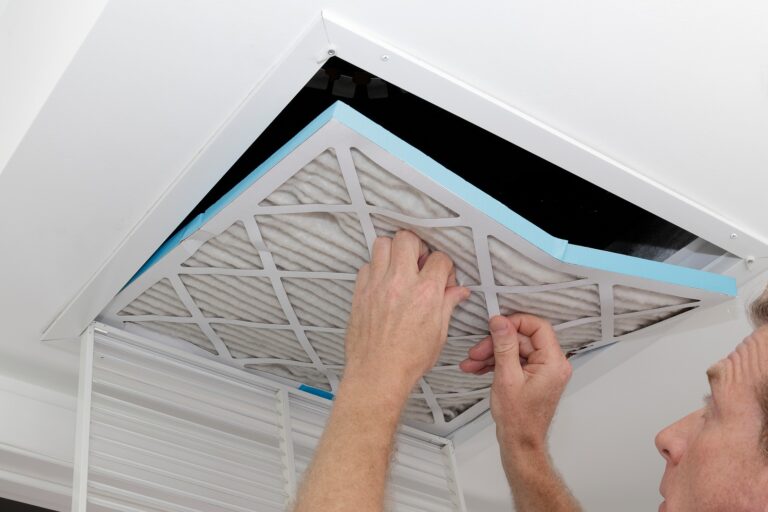 FiltrationHow Often Should You Change Your AC Filter in Central Texas?Check a standard 1-inch filter every month and change it when it looks gray and dusty, which in a Central Texas summer often means…