
 HVAC Systems
 Heating
 Ductwork & Air Flow
 Ventilation
 Filtration
 Dehumidification
 Maintenance
 Mold
 Remediation & Restoration
 Pure Maintenance
 Your Home
 Building Science
 Insulation & Envelope
 Health & Safety
 Case Study
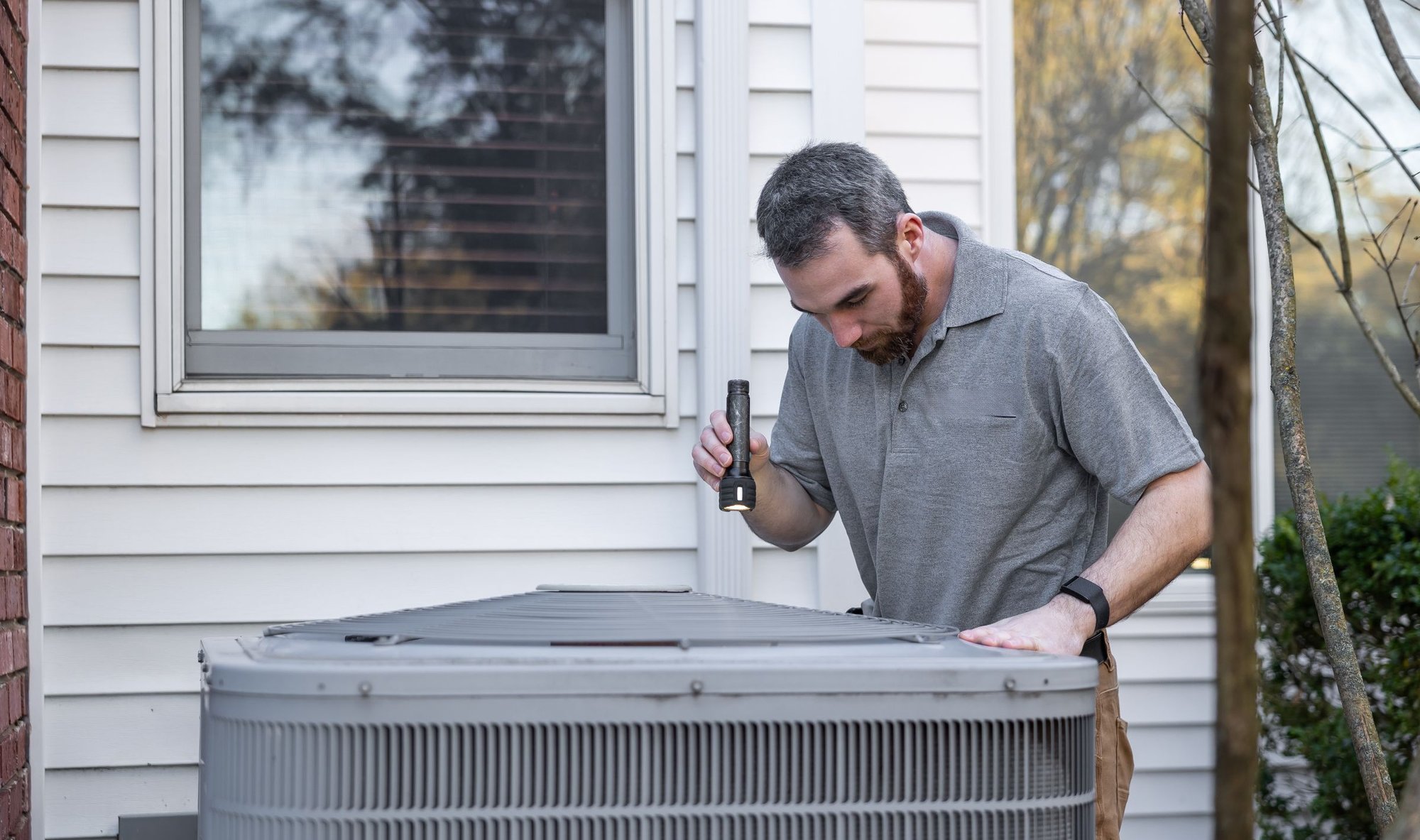
Quick answer: A heat pump heats and cools, so in Central Texas it works most of the year and benefits from a professional check twice a year, in spring and fall. Between visits, check the filter monthly, keep the outdoor unit clear and clean, keep the condensate drain flowing and let the defrost cycle handle frost.
In this guide
How often does a heat pump need maintenance?
Twice a year, because it’s doing two jobs. An AC paired with a gas furnace rests its compressor all winter. A heat pump’s compressor (the pump in the outdoor unit) runs through July and January, with a few weeks off in spring and fall if you’re lucky.
A spring visit readies it for cooling season. A fall visit checks the heating side, including defrost and backup heat, before the first cold front. What’s included in a tune-up lists the details.
What heat pump maintenance can you do yourself?
Six simple jobs, no tools needed beyond a hose:
- Check the filter monthly. ENERGY STAR says to clean or change it when it’s dirty, since a dirty filter makes a heat pump work harder in both seasons.
- Keep the outdoor unit clear. Leave 2 feet open on the sides and the top clear, and pull leaves out after they drop, in spring under live oaks and in fall under most other trees.
- Rinse the coil gently. Shut the power off at the disconnect (the shutoff box by the unit) first, then use a garden hose, never a pressure washer.
- Leave it uncovered. A heat pump runs all winter and needs airflow.
- Watch the condensate drain. In summer, the line outside should drip while the system runs.
- Use modest setbacks in winter. Big temperature jumps call in the heat strips, the costly electric backup.
What does a technician check on a heat pump?
The refrigerant, electrical parts and heating controls, which a homeowner can’t reach safely:
- The refrigerant charge (the amount of refrigerant in the system), which matters in both heating and cooling.
- The reversing valve (the part that switches between heating and cooling) and the defrost control and sensor.
- The backup heat strips and their controls.
- The capacitors, contactors (the switch that powers the outdoor unit) and electrical connections.
- The indoor and outdoor coils, the blower and the drain.
Refrigerant runs in a sealed system, so if it’s low, there’s a leak. EPA rules require a certified technician to handle refrigerant, and topping it off without finding the leak just buys time.
What are signs a heat pump needs service in winter?
Call Gold Eagle for heat pump repair if you notice any of these:
- “Aux” on the thermostat most of the day when it’s in the 40s or 50s outside.
- Ice that covers the outdoor coil and doesn’t clear after defrost cycles.
- Grinding, banging or loud rattling from the outdoor unit.
- A house that can’t hold temperature on a mild day.
Nonstop running below freezing is often normal, as explained in why a heat pump runs nonstop below freezing. So are steam and dripping during defrost.
Does maintenance make a heat pump last longer?
It helps it reach the lifespan it was built for. Heat pumps and ACs in Central Texas typically last about 10 to 15 years, and clean coils, good airflow and early repairs keep one at the better end of that range. How long an AC lasts in Central Texas covers the same ground for cooling.
What should you do next?
- Check the filter once a month and change it when it’s dirty.
- Keep 2 feet clear around the outdoor unit and pull out leaves after the spring and fall drops.
- Note whether “Aux” shows most of the day on mild winter days.
- Book spring and fall checkups at our online scheduler.
Related guides: Aux Heat vs. Emergency Heat: What Your Heat Pump Thermostat Is Telling You, What Should You Do With Your Heat Pump During and After a Texas Freeze? and What’s Included in an HVAC Tune-Up?
About Gold Eagle Services: This guide comes from the team at Gold Eagle Services, a family-run Austin HVAC, indoor air quality and mold remediation company founded in 2017. We’re licensed (TACLA119235 and RCO1783), insured and bonded, and we serve homes across the greater Austin area.
Need help with this in your home? Learn about our heat pump repair and installation, or call 512-489-4653 to schedule a visit.
Related Gold Eagle service: Heating service
More in Maintenance
All 21 guides MaintenanceWhat Is Heat Pump Defrost Mode, and Is the Steam Normal?Yes, the steam is normal. When frost builds on the outdoor coil in cold, damp weather, a heat pump switches into defrost for a…
 MaintenanceHow Long Does a Gas Furnace Last in Central Texas?Most gas furnaces last about 15 to 20 years with regular maintenance, and InterNACHI puts the range at 15 to 25. Central Texas furnaces…
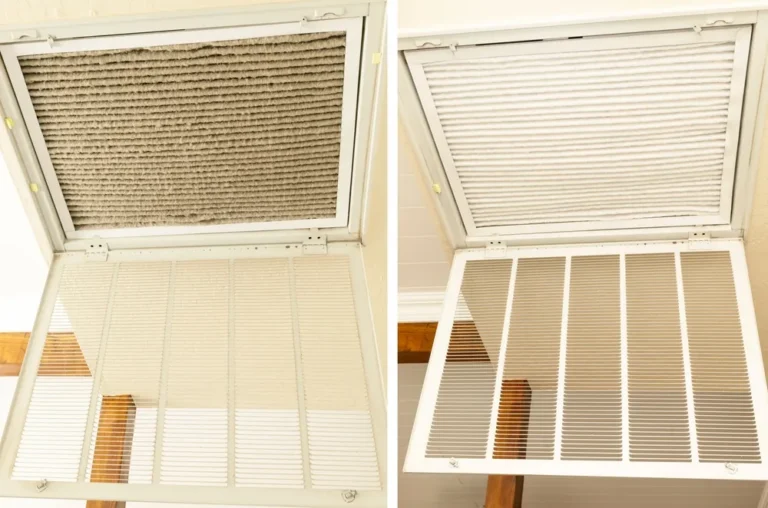 MaintenanceWhat Furnace Maintenance Can You Do Yourself?Homeowners can safely handle furnace airflow and awareness: check the filter monthly, keep the area around the furnace clear, keep vents open, test CO…