
 HVAC Systems
 Heating
 Ductwork & Air Flow
 Ventilation
 Filtration
 Dehumidification
 Maintenance
 Mold
 Remediation & Restoration
 Pure Maintenance
 Your Home
 Building Science
 Insulation & Envelope
 Health & Safety
 Case Study
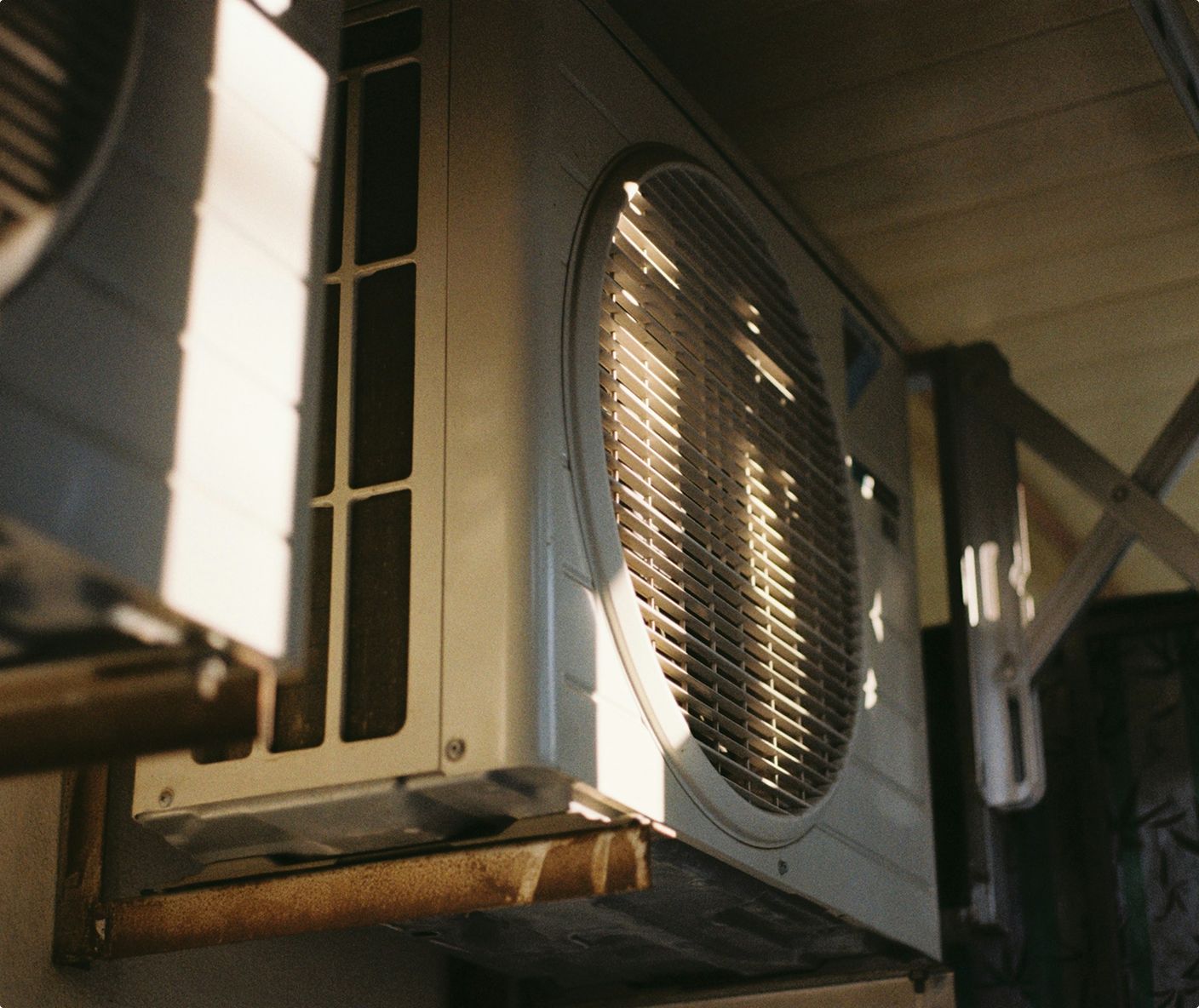
Quick answer: Yes, the steam is normal. When frost builds on the outdoor coil in cold, damp weather, a heat pump switches into defrost for a few minutes: it runs in reverse to warm the coil, the outdoor fan stops, and melting frost can rise as a cloud of steam. Then it goes back to heating on its own.
In this guide
What is heat pump defrost mode?
Defrost mode is how a heat pump clears frost off its outdoor coil so it can keep heating. In heat mode, the outdoor coil runs colder than the outdoor air, because it’s pulling heat out of that air. On a 35°F morning, especially a damp, drizzly one of the kind Central Texas does so well, moisture in the air freezes onto the fins.
A little frost is harmless. A thick layer blocks airflow, and the heat pump starts losing ground.
That’s when the control board, the unit’s built-in brain, steps in. It flips the reversing valve, the part that lets a heat pump either heat or cool, and runs the system in cooling mode for a few minutes. Hot refrigerant flows to the outdoor coil and melts the frost, while the outdoor fan shuts off so the heat stays on the coil instead of blowing away.
Why is there steam coming from my heat pump?
The steam is melting frost turning to vapor. Meltwater hits a coil that’s suddenly warm, part of it flashes to vapor, and in cold air that vapor shows up as a white cloud, just like your breath. With the fan stopped, the steam drifts straight up and can look dramatic. A neighbor may even ask whether your unit is on fire.
Telling steam from smoke is easy. Steam has no smell, looks white and wispy, and stops within a few minutes when defrost ends. Smoke smells like burning, often looks gray or dark, and keeps coming. If you see smoke or smell something electrical burning, turn the system off at the thermostat and call for service.
What does heat pump defrost sound like?
Defrost follows a pattern you’ll soon recognize:
- A loud whoosh from the outdoor unit as the reversing valve shifts at the start, and another when it ends.
- A stopped outdoor fan while the compressor (the pump that moves refrigerant) keeps running, its hum changing pitch.
- Water running off the coil and dripping under the unit. See why water drips from a heat pump in winter.
- Aux or Backup Heat on the thermostat indoors, because the heat strips come on to keep the vents from blowing cool air.
- A few minutes of cool air, if your system doesn’t use the strips during defrost. Why a heat pump blows cold air in heat mode covers this.
How often should a heat pump defrost?
A heat pump may defrost a few times an hour or much less often, depending on the weather and the type of control. Older timed controls check for frost at a set interval, commonly every 30, 60 or 90 minutes of run time, and defrost if the coil is cold enough. Newer demand-defrost controls use sensors and defrost only when frost is actually building. A cycle usually lasts a few minutes, rarely more than about 10.
Frost builds fastest from the 20s to the low 40s with high humidity, fog or drizzle. On a dry, clear, very cold night there’s less moisture to freeze, so defrost may come less often than you’d expect. On a raw, misty 38°F Austin morning, it may defrost several times an hour. Both are normal.
When is ice on my heat pump a problem?
When the ice doesn’t clear. A light white frost that comes and goes is normal. Call for service if you see:
- The whole coil, or the whole unit, encased in solid ice for hours.
- Ice building up on top of the cabinet, often from roof runoff or a gutter dripping onto the unit.
- The outdoor fan running while the coil is solid ice, or the unit never going into defrost at all.
- Heavy ice on the refrigerant lines or the bottom of the unit that keeps growing.
Don’t chip at the ice or pry it off the fins; the coil is soft aluminum and punctures easily. If the unit is iced solid, switch the thermostat to Emergency Heat so the heat strips keep the house warm, and schedule a repair. Gold Eagle’s technicians fix defrost controls, sensors and outdoor fan motors across the Austin area; see our heat pump services. Your heat pump during and after a Texas freeze covers the bigger cold snaps.
What should you do next?
- Next time you see steam, check that it’s white, has no smell and stops within a few minutes.
- Keep gutters and roof runoff from dripping onto the outdoor unit.
- If the unit stays iced solid for hours, switch the thermostat to Emergency Heat.
- Schedule a repair if the ice never clears; for smoke or a burning smell, turn the system off first.
Related guides: Why Is Water Dripping From Your Heat Pump in Winter?, Why Is My Heat Pump Blowing Cold Air in Heat Mode? and What Should You Do With Your Heat Pump During and After a Texas Freeze?.
About Gold Eagle Services: This guide comes from the team at Gold Eagle Services, a family-run Austin HVAC, indoor air quality and mold remediation company founded in 2017. We’re licensed (TACLA119235 and RCO1783), insured and bonded, and we serve homes across the greater Austin area.
Need help with this in your home? Learn about our heat pump repair and service, or call 512-489-4653 to schedule a visit.
Related Gold Eagle service: Heating service
More in Maintenance
All 21 guides MaintenanceHow Long Does a Gas Furnace Last in Central Texas?Most gas furnaces last about 15 to 20 years with regular maintenance, and InterNACHI puts the range at 15 to 25. Central Texas furnaces…
 MaintenanceWhat Maintenance Does a Heat Pump Need?A heat pump heats and cools, so in Central Texas it works most of the year and benefits from a professional check twice a…
 MaintenanceWhat Furnace Maintenance Can You Do Yourself?Homeowners can safely handle furnace airflow and awareness: check the filter monthly, keep the area around the furnace clear, keep vents open, test CO…