
 HVAC Systems
 Heating
 Ductwork & Air Flow
 Ventilation
 Filtration
 Dehumidification
 Maintenance
 Mold
 Remediation & Restoration
 Pure Maintenance
 Your Home
 Building Science
 Insulation & Envelope
 Health & Safety
 Case Study
Quick answer: Homeowners can safely handle furnace airflow and awareness: check the filter monthly, keep the area around the furnace clear, keep vents open, test CO alarms and look over the drain and vent pipes. Anything involving gas, burners or wiring belongs to a licensed technician at a yearly inspection.
In this guide
- How often should you check the furnace filter?
- How much space should you keep around a furnace?
- Should you close vents or registers in winter?
- How should you test your CO alarms?
- What should you check on the furnace drain and vent pipes?
- What should you leave to a licensed technician?
- What should you do next?
How often should you check the furnace filter?
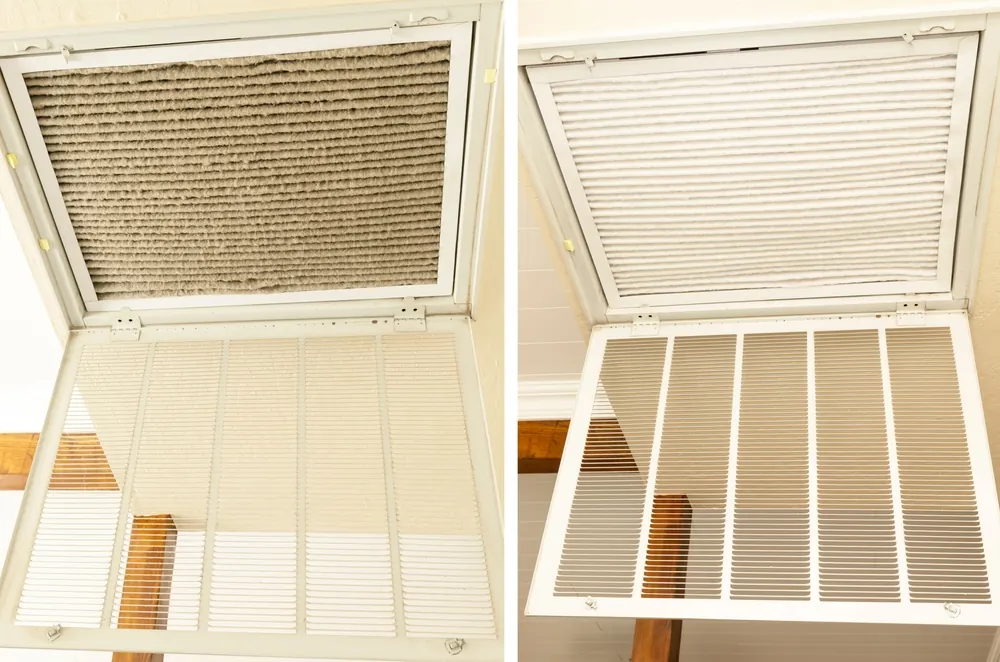
Monthly, as ENERGY STAR recommends (the same filter serves the AC all summer), and change it when it looks dirty. In many Austin homes with an attic furnace, the filter isn’t at the furnace at all. It sits behind a return grille in a hallway ceiling or wall, and some homes have one at each return.
A clogged filter is the most common reason a furnace overheats and shuts its burners off. How often to change your filter in Central Texas covers sizes and schedules.
How much space should you keep around a furnace?
Enough that nothing is stacked on or against it. December is when the attic fills with holiday boxes, and the furnace platform (the stand it sits on) is not a shelf. Store paint, gasoline, cleaning supplies and anything else flammable well away from the furnace and water heater.
If your furnace lives in a closet with a louvered door or vents, don’t block or seal them. A standard furnace may draw its combustion air, the air it burns gas with, from that space.
Should you close vents or registers in winter?
No. Keep them open and uncovered. Closed supply registers (the vents that blow air) and furniture over returns (the grilles that pull air back) choke airflow, and a furnace short on airflow runs hot. Closing vents in unused rooms explains why that rarely saves anything. Vacuum the register grilles now and then so dust doesn’t feed back into the system.
How should you test your CO alarms?
Press the test button monthly, replace batteries as needed and replace the alarm on the maker’s schedule. The Consumer Product Safety Commission (CPSC) recommends CO alarms on every level of the home and outside sleeping areas, battery-operated or with battery backup. Where CO alarms should go covers placement with an attic furnace.
What should you check on the furnace drain and vent pipes?
Look for water, ice and blockages at four spots:
- The drain pan under an attic furnace and coil. Standing water means a drain line is backing up.
- The condensate drain on a high-efficiency furnace, which carries off the water it makes. Look for leaks at the trap or line, and for ice on lines in unheated spaces during a freeze.
- The vent pipe ends outside a high-efficiency furnace. Make sure leaves or nests aren’t blocking the plastic pipes. On attic furnaces they often exit through the roof, so look from the ground.
- The metal flue (exhaust pipe) on a standard furnace. Call if you see a pipe that’s disconnected, rusted through or sagging.
Look, don’t take anything apart. Water around a furnace in winter covers what leaks usually mean.
What should you leave to a licensed technician?
Everything behind the panels. ENERGY STAR’s checklist has the technician check gas connections, gas pressure, burner combustion and the heat exchanger, and tighten electrical connections. Cleaning the flame sensor, replacing an ignitor (the part that lights the gas) and relighting gas equipment are technician jobs too.
CPSC recommends a professional inspection of fuel-burning heating systems every year. Gold Eagle’s heating tune-up covers it; book one in fall, before the first cold front.
What should you do next?
- Check the filter this month, and put a monthly reminder on your calendar.
- Clear holiday boxes and anything flammable away from the furnace and water heater.
- Press the test button on every CO alarm.
- Book a heating inspection before the first cold front.
Related guides: How Often Should You Change Your AC Filter in Central Texas?, What’s Included in an HVAC Tune-Up? and Where Should CO Detectors Go in a Home With a Gas Furnace?
About Gold Eagle Services: This guide comes from the team at Gold Eagle Services, a family-run Austin HVAC, indoor air quality and mold remediation company founded in 2017. We’re licensed (TACLA119235 and RCO1783), insured and bonded, and we serve homes across the greater Austin area.
Need help with this in your home? Learn about our home maintenance plans, or call 512-489-4653 to schedule a visit.
Related Gold Eagle service: Heating service
More in Maintenance
All 18 guides MaintenanceWhy Does a Room Smell Like Sewer? Dry Drain Traps and Your AC DrainA sewer smell in one room is most often a dry drain trap: the water seal in a little-used sink, shower or floor drain…
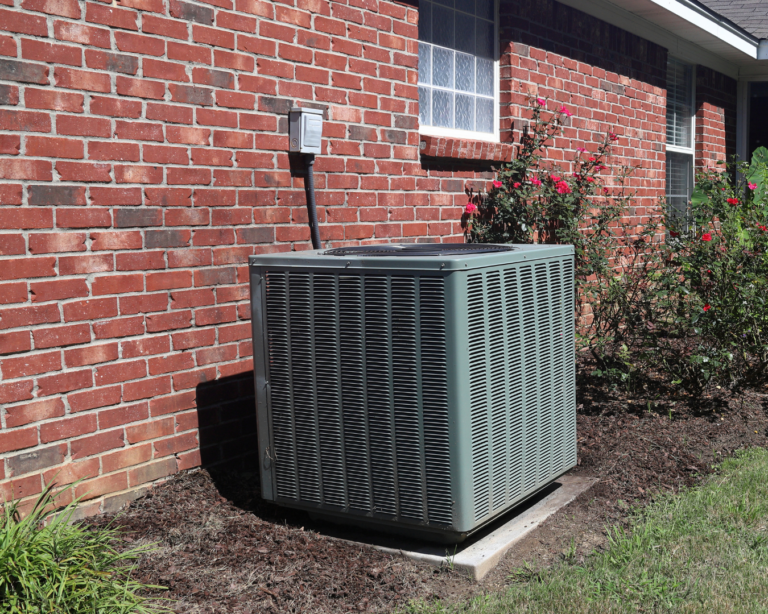 MaintenanceWhat Should You Do With Your Heat Pump During and After a Texas Freeze?During a Texas freeze, leave a heat pump running in normal Heat mode, uncovered, and let its defrost cycle handle frost. If the power…
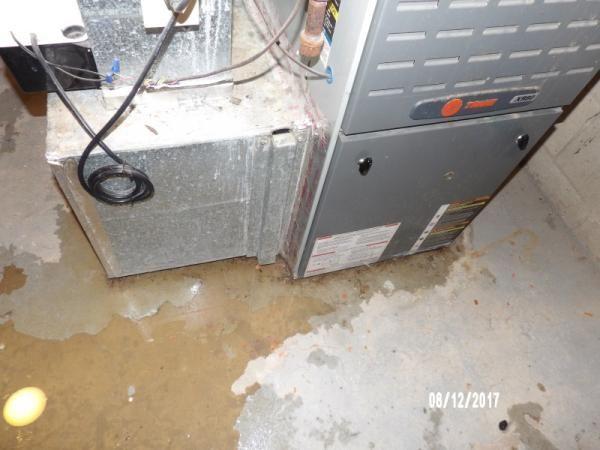 MaintenanceWhy Is There Water Around My Furnace in Winter?Water around a furnace in winter usually comes from a high-efficiency furnace, which makes water (condensate) and drains it through a trap and line…