
 HVAC Systems
 Heating
 Ductwork & Air Flow
 Ventilation
 Filtration
 Dehumidification
 Maintenance
 Mold
 Remediation & Restoration
 Your Home
 Building Science
 Insulation & Envelope
 Health & Safety
 Case Study
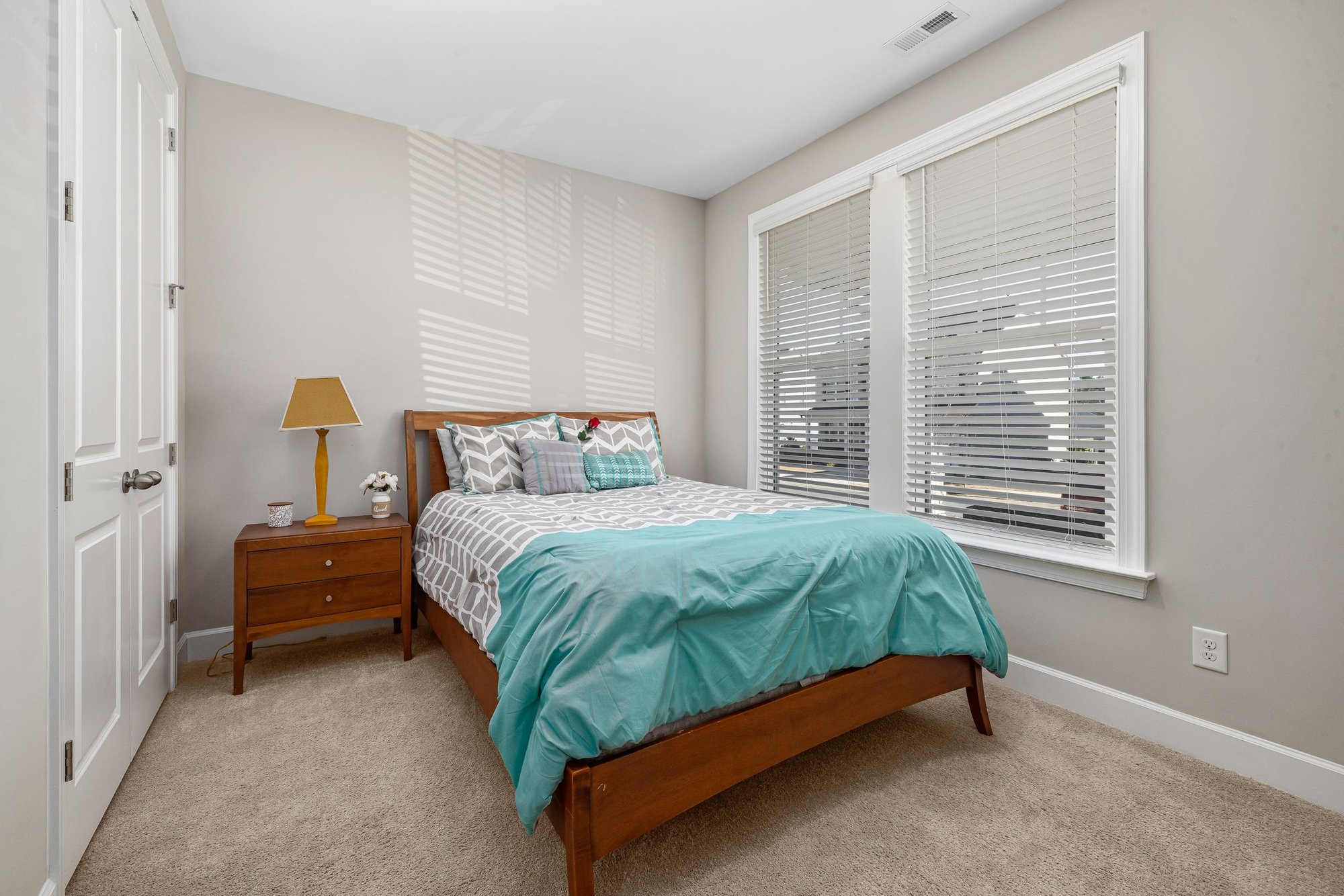
Quick answer: Start with the shell: insulate and seal the floor, walls and ceiling, because most cold bonus rooms lose heat faster than a duct can add it. Then fix the air: a better duct run and a return path, or a ductless mini-split with its own thermostat. Space heaters are a stopgap, not a plan.
In this guide
- Why is the bonus room always the coldest room in the house?
- Why are garage conversions so hard to heat?
- What’s the first step to warm up a cold bonus room?
- Can you add a duct to heat a bonus room?
- Is a mini-split the best way to heat a bonus room or garage conversion?
- Is a space heater safe for a cold bonus room?
- What should you do next?
Why is the bonus room always the coldest room in the house?
Because it has more outside surface than any other room and the weakest air supply. A bonus room over the garage sits on a floor with an unheated garage below it. It often has knee walls, short side walls with open attic on the other side, and a sloped ceiling with less insulation than the flat attic. Heat leaks out on four or five sides at once.
The air side doesn’t help. The bonus room is usually the last stop on the longest duct run from the attic unit, so it gets the weakest, coolest airflow. Many have no return, so when the door is shut, air can’t circulate the way it should. Our guide to return air and pressure balance explains why that matters.
Why are garage conversions so hard to heat?
Because a garage was built to keep cars dry, not people warm. The slab is bare concrete with no insulation under it. The walls may have little or no insulation, especially where the old garage door opening was framed in. And the room often isn’t tied into the ducts at all, or it gets one supply run tapped off the nearest line, sized for nothing.
If the conversion isn’t finished yet, you’re in luck: open walls are the easiest time to get insulation and ductwork right. Check with your city about permits for the conversion itself.
What’s the first step to warm up a cold bonus room?
Fix the room’s shell (walls, floor and ceiling) first, then the heat. A room that leaks heat through bare knee walls will stay cold no matter what equipment you point at it. The usual list:
- Knee walls: insulate them and cover the insulation on the attic side so air can’t wash through it.
- The floor over the garage: fill the cavity with insulation and seal the gaps where plumbing and wiring pass through.
- The ceiling: check depth on the sloped and flat parts. Sloped sections are often thin.
- Air leaks: seal around attic access doors, recessed lights and the edge where the room meets the garage ceiling.
- In a garage conversion: insulate the framed-in door opening and add an area rug or an insulated floor system over the slab.
Our guide to signs your home needs attic insulation upgrades covers what to look for up there.
Can you add a duct to heat a bonus room?
Sometimes, if the system has spare capacity and the duct is designed for the room. A contractor should run a room-by-room load calculation to see how much heat the room needs and whether the existing unit can supply it without starving the rest of the house. The fix might be a larger or shorter supply run, a straightened and re-hung flex duct, a balancing damper, or a return path so air can get back out.
What usually doesn’t work is tapping one more flex run off an already long line. The room gets a little air, the rest of the house gets a little less, and nobody is happy.
Is a mini-split the best way to heat a bonus room or garage conversion?
For many bonus rooms and most garage conversions, yes. A ductless mini-split is a small heat pump with an indoor head mounted on the wall and a compact outdoor unit. It heats and cools just that room, has its own thermostat, and doesn’t touch the main duct system.
Installation needs only a small hole in the wall for the line set, the copper refrigerant lines and wiring. Mini-splits are efficient at the temperatures Austin sees most of the winter, and cold-climate models keep heating well below freezing.
It also solves the summer problem, which in Central Texas is usually the bigger complaint about these rooms. Gold Eagle installs ductless mini-splits across the Austin area; our ductless mini-split page shows how it works, and Build Your System shows pricing.
Is a space heater safe for a cold bonus room?
They’re fine as a short-term fix, used carefully. Plug them straight into a wall outlet, not an extension cord or power strip, keep at least three feet clear around them, and turn them off when you leave the room or go to sleep.
A space heater running every evening all winter means the room needs a real fix. It’s also a heavy load on one circuit, a common reason breakers trip in converted garages.
What should you do next?
- Look at the knee walls, the floor over the garage and the sloped ceiling for thin or missing insulation.
- Notice whether the room gets colder or stuffier with the door shut, a sign it has no return path.
- Until it’s fixed, plug any space heater straight into a wall outlet and keep three feet clear around it.
- Book a visit to have the duct run checked and talk through whether a mini-split fits the room.
Related guides: Why Is One Room Hotter Than the Rest of the House?, Are Space Heaters Safe to Use Alongside Central Heat? and How Is a Ductless Mini-Split Installed, and How Big Is the Hole in the Wall?.
About Gold Eagle Services: This guide comes from the team at Gold Eagle Services, a family-run Austin HVAC, indoor air quality and mold remediation company founded in 2017. We’re licensed (TACLA119235 and RCO1783), insured and bonded, and we serve homes across the greater Austin area.
Need help with this in your home? Learn about our ductless mini-splits, or call 512-489-4653 to schedule a visit.
Related Gold Eagle service: Heating service
More in Insulation & Envelope
All 25 guides Insulation & EnvelopeWhy Is Your Electric Bill So High in Winter?In most all-electric Central Texas homes, a high winter bill comes from heat strips running on cold nights, a heat pump working harder as…
 Insulation & EnvelopeWhy Does One Room Get Colder Than the Rest of the House in Winter?One room usually runs cold for one of two reasons: it loses heat faster than the rest of the house (outside walls, lots of…
 Insulation & EnvelopeWhy Does Your House Feel Cold at 70 Degrees in Winter?Your thermostat reads the air temperature, but your body also loses heat to cold windows, walls and floors, and to drafts. In winter those…