
Quick answer: Winter air feels dry because cold air holds very little moisture, and when that air leaks in and gets heated, its relative humidity drops even further. The result is dry skin, scratchy eyes and static shocks. Aim for about 30-50% indoor humidity in winter, using a humidifier if needed and sealing the leaks that let dry air in.
When a cold front blows through Austin, the air outside can feel crisp and pleasant. Inside, it’s a different story: dry indoor air leaves lips cracked, skin tight and every doorknob ready to zap you. Here’s why winter air feels dry, what your HVAC system can and can’t do about it, and a few easy ways to keep your home comfortable until spring.
Why is winter air so dry?
Because cold air can’t hold much water vapor, and heating it doesn’t add any. A few things stack up:
- Cold air holds less moisture
Cold outdoor air naturally carries less water vapor. When it finds its way into your home, it brings down the indoor humidity. - Heating lowers relative humidity
Furnaces and heat pumps warm the air but don’t add moisture. Warm air can hold more water, so the same amount of moisture spread through warmer air means a lower relative humidity. Think of pouring a cup of water into a bigger bucket: same water, emptier bucket. That’s when dry skin, scratchy eyes and static electricity show up. - Air leaks keep bringing in more dry air
Every gap around doors, windows, attic hatches and ducts swaps some of your indoor air for cold, dry outdoor air. The leakier the house, the drier it gets, and the harder it is for a humidifier to keep up.
What problems does dry indoor air cause?
Mostly discomfort, plus some wear on the house. Low winter humidity can:
- Leave your skin, lips, eyes and nose feeling dry and irritated
- Cause wood floors, furniture and cabinets to shrink, gap or crack
- Make a room feel colder than the thermostat says, which tempts people to turn the heat up and run up the energy bill
If dryness is bothering your health rather than just your comfort, that’s a question for your doctor.
How can your HVAC system help with winter dryness?
Your HVAC system can add and spread moisture, not just heat, if it’s set up for it:
- Add a whole-home humidifier
A humidifier installed on your HVAC system adds moisture to the air as it circulates, so every room stays in range instead of just the one with a tabletop unit. - Check your vents and ducts
Good airflow carries that moisture to every room. Keep vents unblocked, and make sure the ducts are sealed so they aren’t pulling dry attic air into the system. - Measure your indoor humidity
An inexpensive hygrometer tells you where you stand. Aim for about 30-50% indoor humidity in winter. If you see condensation on the inside of your windows, you’ve gone too high, so dial it back. - Keep up with maintenance
Clean filters and routine maintenance keep the system running efficiently, which helps both heating and humidity control. A humidifier needs its own care too, like replacing its pad or filter on schedule.
What else can you do to keep winter air comfortable?
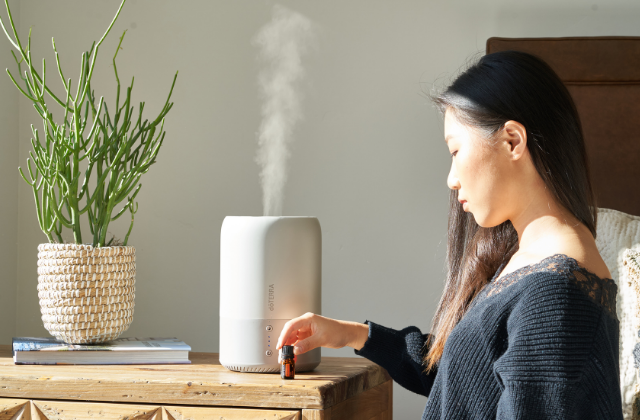
- Run a portable humidifier in the rooms where you spend the most time, especially the bedroom, and clean it as the manufacturer recommends
- Keep a few houseplants around. They add a little moisture to the air, though they won’t replace a humidifier
- Don’t overheat the house. Moderate temperatures keep relative humidity from dropping as far
Feeling the winter dryness? Gold Eagle Services can install a humidifier, check your ducts for leaks or tune up your heating system. A little attention now can make the rest of the season a lot more comfortable.
If your furnace or heat pump needs attention before winter, see our heating repair services.
Related guides: What “Relative” Humidity Really Means: The Bucket Analogy That Explains Weather, Comfort, and Your Home, How Indoor Moisture Affects Your Home’s Air and Why Are Allergies So Bad in Austin Right Now?.
About Gold Eagle Services: This guide comes from the team at Gold Eagle Services, a family-run Austin HVAC, indoor air quality and mold remediation company founded in 2017. We’re licensed (TACLA119235 and RCO1783), insured and bonded, and we serve homes across the greater Austin area.
Need help with this in your home? Learn about our indoor air quality solutions, or call 512-489-4653 to schedule a visit.
