
 HVAC Systems
 Heating
 Ductwork & Air Flow
 Ventilation
 Filtration
 Dehumidification
 Maintenance
 Mold
Mold Remediation & Restoration
 Pure Maintenance
 Your Home
 Building Science
 Insulation & Envelope
 Health & Safety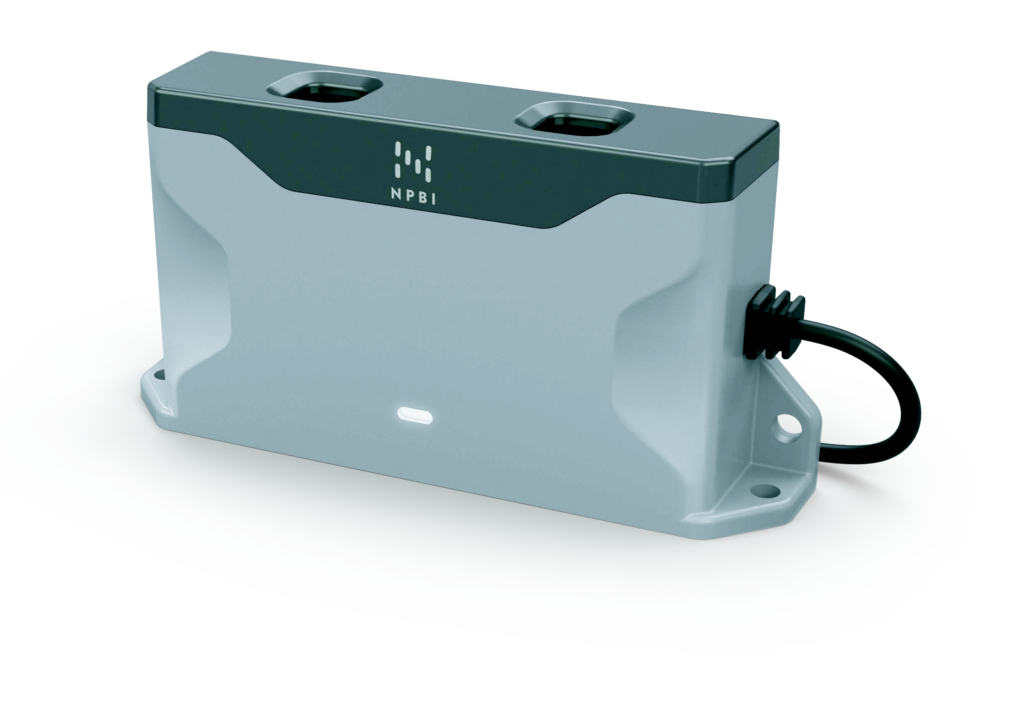
Quick answer: Bipolar needlepoint ionization (NPBI) releases positive and negative ions into your air through the HVAC system, mainly to help small particles clump together so your filter can catch them. Independent research on how well it works in real homes is mixed, so if you buy one, look for UL 2998 zero-ozone certification and treat it as an add-on to good filtration.
In this guide
What is bipolar needlepoint ionization?
Bipolar needlepoint ionization is an air-cleaning device that uses a small electrical charge at fine points (the “needlepoints”) to create both positive and negative ions. It’s usually mounted in the ductwork or air handler, so the ions ride your HVAC airflow into every room.
NPBI has been sold for homes, schools and offices. It has also drawn a fair amount of debate, so know what it’s designed to do, and where the open questions are, before anyone hands you a quote.
What are ions, anyway?
Ions are atoms or molecules that have gained or lost electrons, which gives them an electrical charge. A quick chemistry flashback:
- Positive ions (cations) form when electrons are lost, leaving a net positive charge.
- Negative ions (anions) form when electrons are gained, leaving a net negative charge.
Ions occur naturally outdoors, for example near moving water and after thunderstorms. An ionizer makes them electrically and sends them into your indoor air.
How is bipolar ionization supposed to work?
The main idea is particle clustering, with a few other claims layered on top. Here’s how manufacturers describe it:
- Particle clustering: Ions attach to airborne particles like dust, pollen and smoke so they clump into larger clusters. Bigger clumps are easier for your HVAC filter to catch, or they settle out of the air.
- Odors and VOCs: Manufacturers say ions can react with some odor-causing compounds and volatile organic compounds (VOCs).
- Microorganisms: Manufacturers say ions can act on the surfaces of some bacteria and mold spores. These claims generally come from manufacturer-sponsored testing, often in sealed test chambers rather than real homes.
Does bipolar ionization actually work?
The honest answer: the evidence is still developing. As NPBI spread through the market, researchers took a closer look, and some independent studies have questioned how well ionizers perform in real buildings, where air is moving, rooms are bigger and exposure times are shorter than in a test chamber. Some have also raised concerns about byproducts, since ions can react with other chemicals in indoor air and form new compounds.
Manufacturers point to their own testing and to ozone certifications. A result in a lab box doesn’t always carry over to a living room with the dog, the dryer and the back door all in play. If you’re considering an ionizer, weigh that uncertainty against the cost.
What should you look for in an ionizer?
Look first for proof of zero ozone, then for honest claims backed by independent data:
- UL 2998 certification: This standard verifies that an air cleaner produces no measurable ozone. It’s the most useful label on any ionizing device.
- CARB listing: The California Air Resources Board regulates ozone emissions from indoor air cleaners sold in California, and its list of certified devices is a handy reference even in Texas.
- Realistic claims: Be wary of products that promise to kill a specific percentage of germs or to protect against illness.
- Independent data: Ask whether independent labs produced the performance data and whether it reflects real-world conditions.
- Maintenance needs: Ionizers usually need little upkeep, but the needlepoints or brushes may need periodic cleaning or replacement.
Is ionization better than a good air filter?
No. It’s at best a supplement to one. Filtration physically traps particles, and its performance is well understood and measurable: MERV ratings and HEPA standards tell you how well a filter catches particles of different sizes. The catch: denser filters can restrict airflow, so they have to be matched to your system.
Ionization adds something to the air instead of removing something from it, and it still relies on your filter to catch the clumps it creates. For most Austin homes, the first steps are the right filter, sealed ductwork, controlled humidity and regular maintenance. Get those right and you’ve done the heavy lifting.
Should you add bipolar ionization to your home?
Only after the basics are covered, and with realistic expectations. NPBI is designed to help filters catch more fine particles and to act on some odors and airborne contaminants, but independent research on its real-world performance and possible byproducts is still mixed. If you want one, choose a UL 2998 zero-ozone certified product and make sure filtration and humidity control are handled first. Gold Eagle’s indoor air quality team is happy to walk through the options with you, including the option of skipping it.
What should you do next?
- Check your filter’s MERV rating and make sure it’s matched to your system.
- Watch indoor humidity and note any rooms that feel damp or dusty.
- If you’re quoted an ionizer, ask for UL 2998 certification and independent performance data.
- Book a visit to have filtration, ducts and humidity control checked first.
Related guides: Bipolar Ionization vs. Other Air Purification Methods, Air Purification Systems: Choosing the Right One for Your Home and Ozone in Indoor Air: Friend or Foe?.
About Gold Eagle Services: This guide comes from the team at Gold Eagle Services, a family-run Austin HVAC, indoor air quality and mold remediation company founded in 2017. We’re licensed (TACLA119235 and RCO1783), insured and bonded, and we serve homes across the greater Austin area.
Need help with this in your home? Learn about our indoor air quality solutions, or call 512-489-4653 to schedule a visit.
More in Indoor Air Quality (IAQ)
All 30 guides Indoor Air Quality (IAQ)Do Portable Air Purifiers Help During Austin Allergy Season?A portable HEPA purifier can lower the fine particles floating in one room, such as dust, pet dander and some pollen, if it's sized…
 Indoor Air Quality (IAQ)Can a Dirty Air Conditioner Make You Sick?A dirty AC doesn't create germs on its own, but it can recirculate dust and, if the coil, drain pan or ducts stay wet,…
 Indoor Air Quality (IAQ)Moisture From Below: Slab and Pier-and-Beam Homes in Central TexasGround moisture reaches Austin homes two ways: as vapor moving up through concrete slabs, and as humid outdoor air flowing through vented crawlspaces under…