
 HVAC Systems
 Heating
 Ductwork & Air Flow
 Ventilation
 Filtration
 Dehumidification
 Maintenance
 Mold
 Remediation & Restoration
 Your Home
 Building Science
 Insulation & Envelope
 Health & Safety
 Case Study
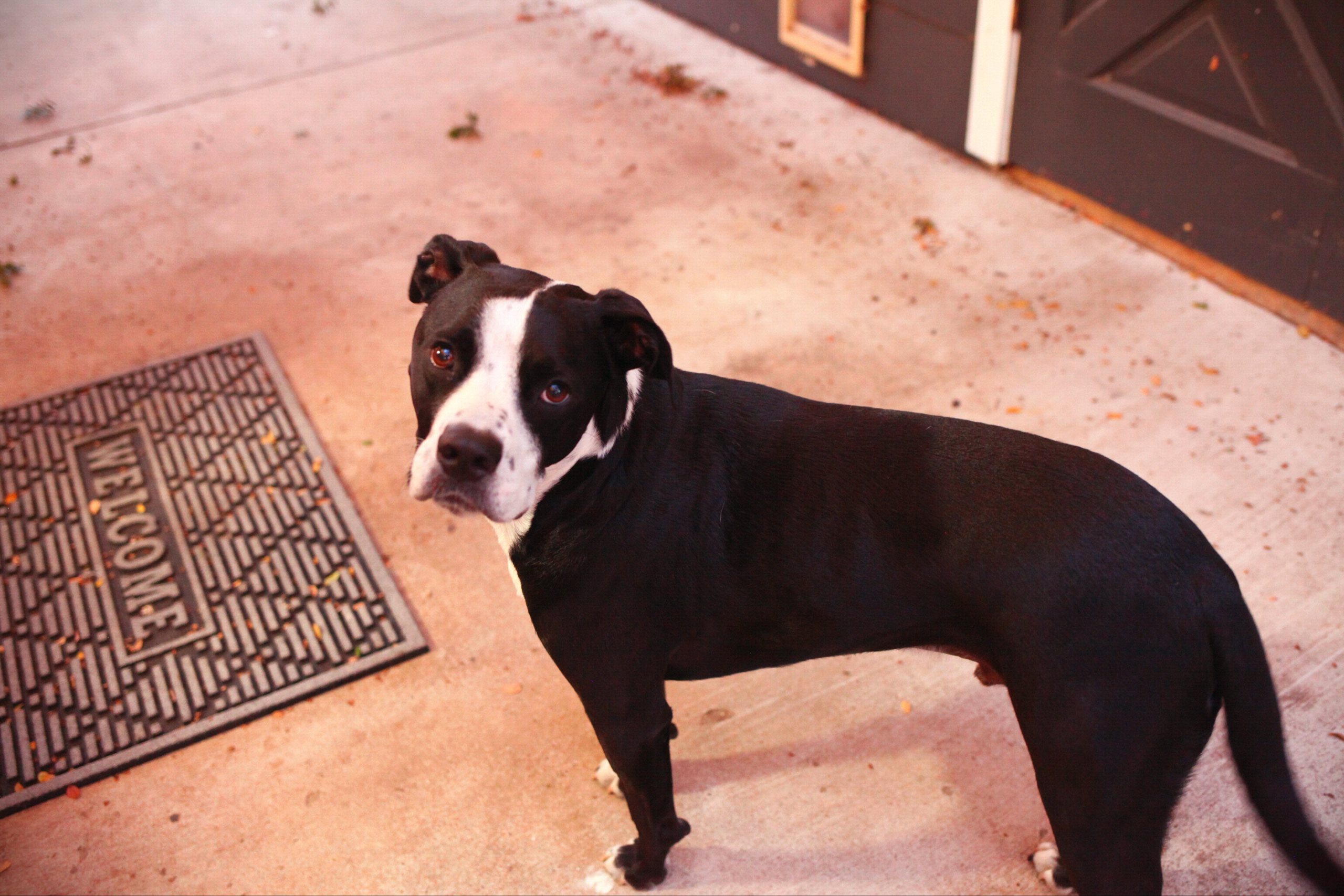
Quick answer: Pets shed hair and dander that your HVAC system pulls into the return, where it loads up the filter and can mat the blower and the indoor coil. With pets, check a 1-inch filter monthly and plan to change it more often, keep returns clear of pet beds, and deal with odors at the source before blaming the ducts.
In this guide
- How do pets affect your HVAC system?
- How often should you change the filter with pets?
- What MERV filter works best with pets?
- Should a pet bed or litter box sit near an air return?
- Why does the house still smell like pets after you clean?
- When does duct cleaning make sense in a pet home?
- Can pets damage the outdoor AC unit?
- What should you do next?
How do pets affect your HVAC system?
Mostly by filling the filter faster. Your system pulls air from the house through the return grilles, runs it through the filter and across the indoor coil, then blows it back out. In a pet home, that air carries hair, dander (tiny skin flakes) and whatever came in on paws and coats. The filter catches most of it, which is exactly why it fills up faster.
What gets past a full or poorly fitting filter lands on the blower wheel and the indoor coil, the finned part that cools the air. A coil matted with hair and dust passes less air, and an AC with too little airflow cools poorly, runs longer and can even freeze up. On service calls in multi-dog homes we sometimes find a coil face that looks more like felt than metal.
Pet hair also collects on the return grilles themselves. If yours look fuzzy, the system is working harder to breathe. Vacuum them.
How often should you change the filter with pets?
Check it every month, and expect to change it more often than the package says. Many pet homes with a standard 1-inch pleated filter land somewhere around every 30 to 60 days, and closer to 30 during heavy shedding in spring or with several animals.
The filter itself will tell you. Hold it up to a light: if you can’t see much light through it, or there’s a gray mat of hair on the face, it’s done. Write the date on the frame so you’re not guessing next time.
What MERV filter works best with pets?
For most home systems, a pleated filter rated MERV 8 to 11 is the sweet spot. It catches hair and plenty of fine dust without choking the airflow. Cheap fiberglass filters let a lot of fine material through.
Higher isn’t automatically better. A MERV 13 in a 1-inch size can restrict airflow on a system that wasn’t designed for it, especially as it loads up with hair. If you want finer filtration, a 4- or 5-inch media filter cabinet (a deeper filter box) at the air handler is often the better route, and a technician can tell you what your system can handle. Our guide on MERV ratings explains the scale.
Should a pet bed or litter box sit near an air return?
No. Keep them a few feet away, because a return grille pulls air and anything near it goes along for the ride. A dog bed right under a return means a steady stream of hair straight into the filter, and a litter box near one can spread the smell through the whole house.
Easy fixes:
- Move pet beds and litter boxes a few feet away from return grilles.
- Vacuum return grilles when you vacuum the floors.
- Keep supply vents uncovered. Pets love to lie on floor registers, and a blocked vent starves that room of air.
- Put the litter box somewhere with some airflow, not in a closed closet.
Why does the house still smell like pets after you clean?
Because most pet odor lives in soft things, not in the air. Carpet, pad, rugs, couch cushions, pet beds and curtains soak up oils and the occasional accident, then give the smell back slowly. Wash beds and blankets every week or two, vacuum often with a vacuum that has a good filter, and clean accidents with an enzyme cleaner, which breaks down the mess instead of masking it.
Humidity plays a part too. Smells tend to be more noticeable in damp air, and a Central Texas house that sits at 60% humidity or higher can make a wet-dog day linger. Keeping indoor humidity in the 40-60% range helps the whole house feel and smell fresher.
If the smell keeps coming back from one spot, the source may be deeper, like urine that soaked into the carpet pad or subfloor. That needs removing or sealing, not covering up. Once the source is gone, cleaning and fresh air handle most of what’s left.
When does duct cleaning make sense in a pet home?
When you can see a reason. Pet hair in the supply registers, a return duct caked with hair behind the grille, or a home that just changed hands after years of heavy shedders all qualify. Having pets alone doesn’t mean your ducts need cleaning every year. A good filter changed on time keeps most hair out of the ducts in the first place.
If the ducts do need it, have the coil and blower checked, and cleaned if needed, at the same visit, since that’s where pet hair does the most harm to airflow. Gold Eagle’s technicians clean ducts, coils and blowers in pet homes across the Austin area; here’s what our air duct cleaning service includes.
Can pets damage the outdoor AC unit?
They can. The outdoor unit’s coil is made of thin aluminum fins, and dog urine is hard on them. A unit on the daily route can corrode over time, and the fins bend easily. Dogs also dig around the pad and chew on the insulation on the refrigerant lines, and cats sometimes shelter next to it.
A short decorative fence a couple of feet out from the unit keeps pets away while leaving room for airflow. If the fins are dirty, our guide on hosing off your outdoor AC unit covers how to do it gently.
What should you do next?
- Check your filter this month and set a monthly reminder.
- Use a pleated MERV 8 to 11 filter unless a technician says your system can handle more.
- Move pet beds and litter boxes away from return grilles, and vacuum the grilles often.
- Book a tune-up with Gold Eagle and ask the technician to look at the coil and blower for pet hair.
Related guides: How Often Should You Change Your AC Filter in Central Texas?, Indoor Air Quality Beyond Mold: Dust, VOCs, Filtration and Upkeep and How Furniture, Rugs and Closets Affect Your Home’s Airflow.
About Gold Eagle Services: This guide comes from the team at Gold Eagle Services, a family-run Austin HVAC, indoor air quality and mold remediation company founded in 2017. We’re licensed (TACLA119235 and RCO1783), insured and bonded, and we serve homes across the greater Austin area.
Need help with this in your home? Learn about our odor removal services, or call 512-489-4653 to schedule a visit.
Related Gold Eagle service: Indoor air quality services
More in Filtration
All 11 guides FiltrationHow Do You Protect Your HVAC During a Remodel, and Clear the Dust After?Seal the return grilles and supply vents in the work area, keep the system off during the dustiest work if you can and check…
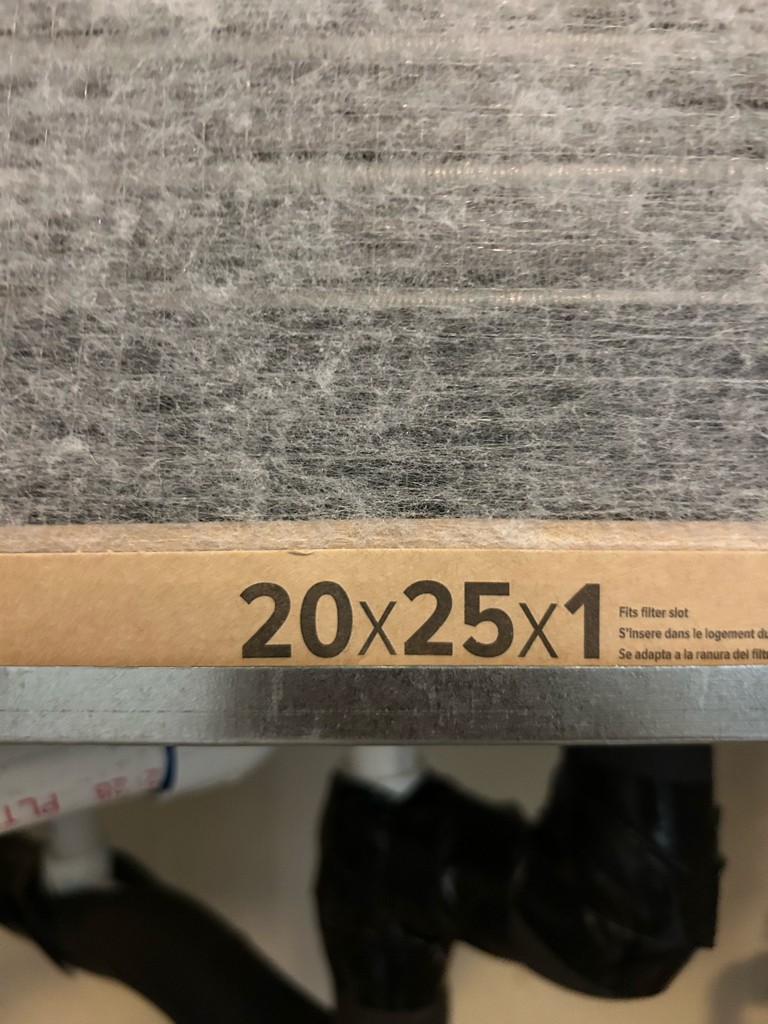 FiltrationThe Filter Rack on Your New System EstimateWhat the filter rack, filter grille or media filter cabinet on your Austin HVAC estimate is, why it is sized to your system, and…
 FiltrationDo Portable Air Purifiers Help During Austin Allergy Season?A portable HEPA purifier can lower the fine particles floating in one room, such as dust, pet dander and some pollen, if it's sized…