
 HVAC Systems
 Heating
 Ductwork & Air Flow
 Ventilation
 Filtration
 Dehumidification
 Maintenance
 Mold
 Remediation & Restoration
 Your Home
 Building Science
 Insulation & Envelope
 Health & Safety
 Case Study

Quick answer: Often, but not always. If both are past roughly 12-15 years old, or the furnace has a problem of its own, replacing them together gets you a matched system in one install day. If the furnace is younger and healthy, a new AC with a matching coil can work well on the furnace you have.
In this guide
- Why do the furnace and AC get replaced as a pair so often?
- When does it make sense to do both at once?
- When is it fine to keep the furnace?
- Should you look at a heat pump instead of a new furnace and AC?
- Should you fix the ductwork when you replace a furnace and AC?
- How much does it cost to replace a furnace and AC together?
- What should you do next?
Why do the furnace and AC get replaced as a pair so often?
Because in most Austin gas homes they are one system split across two locations. The outdoor unit is only half of the air conditioner. The other half is the evaporator coil, which sits right on top of the furnace in the attic, and the furnace’s blower is what pushes cooled air through the house all summer. Change one piece and the others have to work with it.
A new AC needs a coil that matches it. Outdoor units are rated as matched combinations of condenser, coil and blower, and the SEER2 number on the brochure (the cooling efficiency rating) only holds up when the parts match. Newer equipment also uses a newer refrigerant, such as R-454B, instead of R-410A, and a new condenser needs a coil built for its refrigerant. So an AC replacement almost always means work on top of the furnace anyway.
When does it make sense to do both at once?
Do both when the furnace is close enough to the end that you’d be back in the attic within a few years. Good reasons:
- Age: a gas furnace often lasts roughly 15-20 years, and an AC in Central Texas more like 10-15. If the furnace went in the same day as the old AC, it’s probably due too.
- A tired blower: your furnace barely runs its burners in a mild Austin winter, but its blower works most days from May to October. A furnace that looks lightly used may have a worn motor.
- Performance: a two-stage or variable-speed AC needs a blower that can slow down and speed up with it. Many older furnaces have a fixed-speed motor that can’t.
- One install day: one crew, one trip through the attic in cooler weather, one set of new connections, and one new drain pan and line instead of two rounds of work.
When is it fine to keep the furnace?
Keep it when it’s younger, safe and compatible. If the furnace is under about 10 years old, passed its last tune-up, and has a blower that can deliver the airflow the new AC needs, there’s no reason to pull it out. The installer replaces the coil, sets the blower speed for the new outdoor unit and checks the airflow. That’s a normal, solid job.
Ask for the furnace to be checked before you decide: the heat exchanger, the flue (exhaust pipe), the blower motor and the control board. A heating tune-up covers most of that. If it turns up a repair coming soon, that tips the math toward doing both.
Should you look at a heat pump instead of a new furnace and AC?
If you’re replacing both anyway, yes, at least look. A heat pump cools exactly like an AC and also heats by moving heat in from outside, so it replaces the AC and does most of the furnace’s job. Central Texas winters are mild enough that a heat pump carries the load most days, with electric heat strips or a gas furnace as backup for the few hard freezes. Pairing a heat pump with a gas furnace is called dual fuel, and it’s a common choice for gas homes in Austin.
The same one-install-day logic applies: replacement day is when switching system types costs the least extra work.
Should you fix the ductwork when you replace a furnace and AC?
At least have the ducts inspected while you’re deciding. A new furnace and AC push air through the same ductboard plenum and flex runs as the old ones. If the flex is crushed, torn or disconnected, or the return is too small, the new system will be noisy and won’t reach its rating. Replacement day is the easiest time to fix that, since the plenum often has to come off anyway. Gold Eagle’s technicians replace furnaces, AC systems and ductwork across the Austin area; see our furnace replacement service.
How much does it cost to replace a furnace and AC together?
It depends on the equipment, efficiency level, attic access and any duct work, so a figure from a friend’s house won’t tell you much. Price both options side by side: AC and coil only, and full system. Our Build Your System tool lets you compare options and see pricing for your home.
When you compare quotes, check that each one lists a matched coil, a new drain pan and line, a load calculation for sizing, and what happens with the furnace if it stays. A quote that swaps only the outdoor unit and reuses an old coil is a different job, not a cheaper version of the same one.
What should you do next?
- Check the labels on your furnace and outdoor unit to see how old each one is.
- Have the furnace checked before you decide.
- Price both options, AC and coil only and a full system, in the Build Your System tool.
- Book a visit and ask for a matched coil and a load calculation (a room-by-room sizing estimate) in every quote.
Related guides: Repair or Replace Your HVAC System? How to Decide, How Long Does a Gas Furnace Last in Central Texas? and Should You Replace Your Ductwork When You Replace Your AC or Heat Pump?.
About Gold Eagle Services: This guide comes from the team at Gold Eagle Services, a family-run Austin HVAC, indoor air quality and mold remediation company founded in 2017. We’re licensed (TACLA119235 and RCO1783), insured and bonded, and we serve homes across the greater Austin area.
Need help with this in your home? Learn about our furnace replacement, or call 512-489-4653 to schedule a visit.
Related Gold Eagle service: AC repair in Austin
More in Air Conditioning
All 49 guides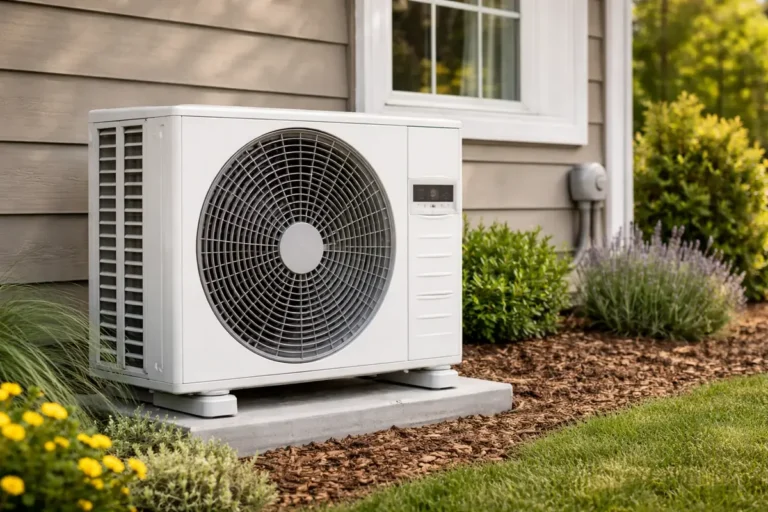 Air ConditioningHow Long Does a Heat Pump Last in Central Texas?Most heat pumps in Central Texas last roughly 10 to 15 years. They work year-round here, cooling through a long, hot summer and heating…
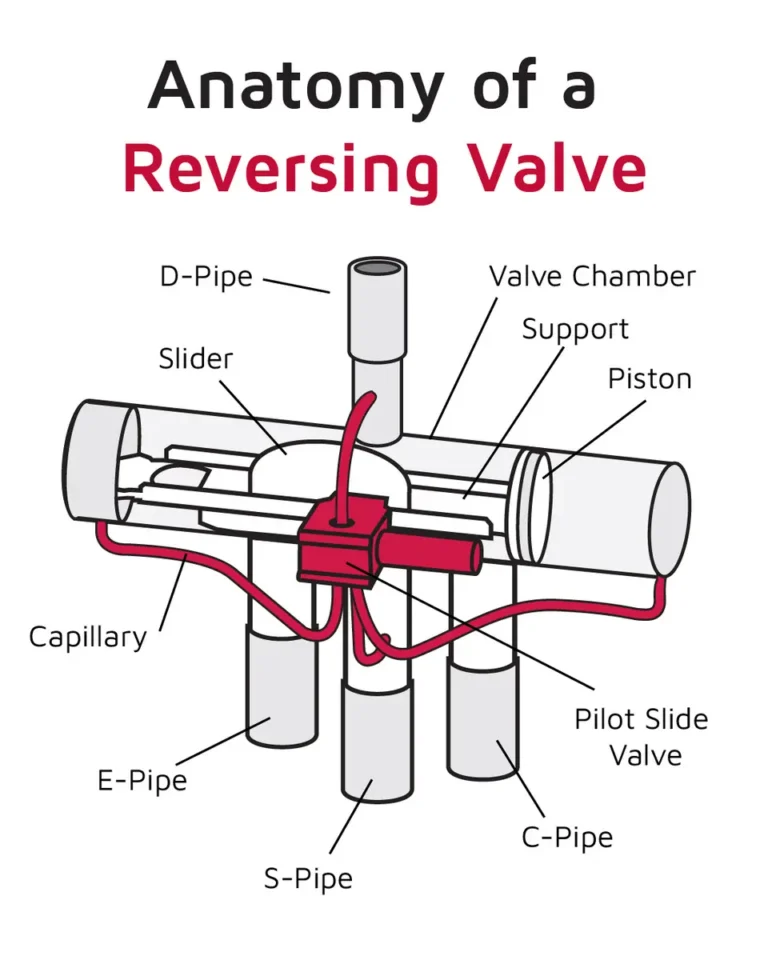 Air ConditioningWhat Is a Heat Pump Reversing Valve?A reversing valve is the part in a heat pump's outdoor unit that flips the direction refrigerant flows, so the same system can heat…
 Air ConditioningIs the Unit in Your Attic an Air Handler, and What Does It Do?If the indoor unit in your attic has no gas pipe and no vent pipe, it's almost certainly an air handler. It holds the…