
 HVAC Systems
 Heating
 Ductwork & Air Flow
 Ventilation
 Filtration
 Dehumidification
 Maintenance
 Mold
 Remediation & Restoration
 Pure Maintenance
 Your Home
 Building Science
 Insulation & Envelope
 Health & Safety
 Case Study
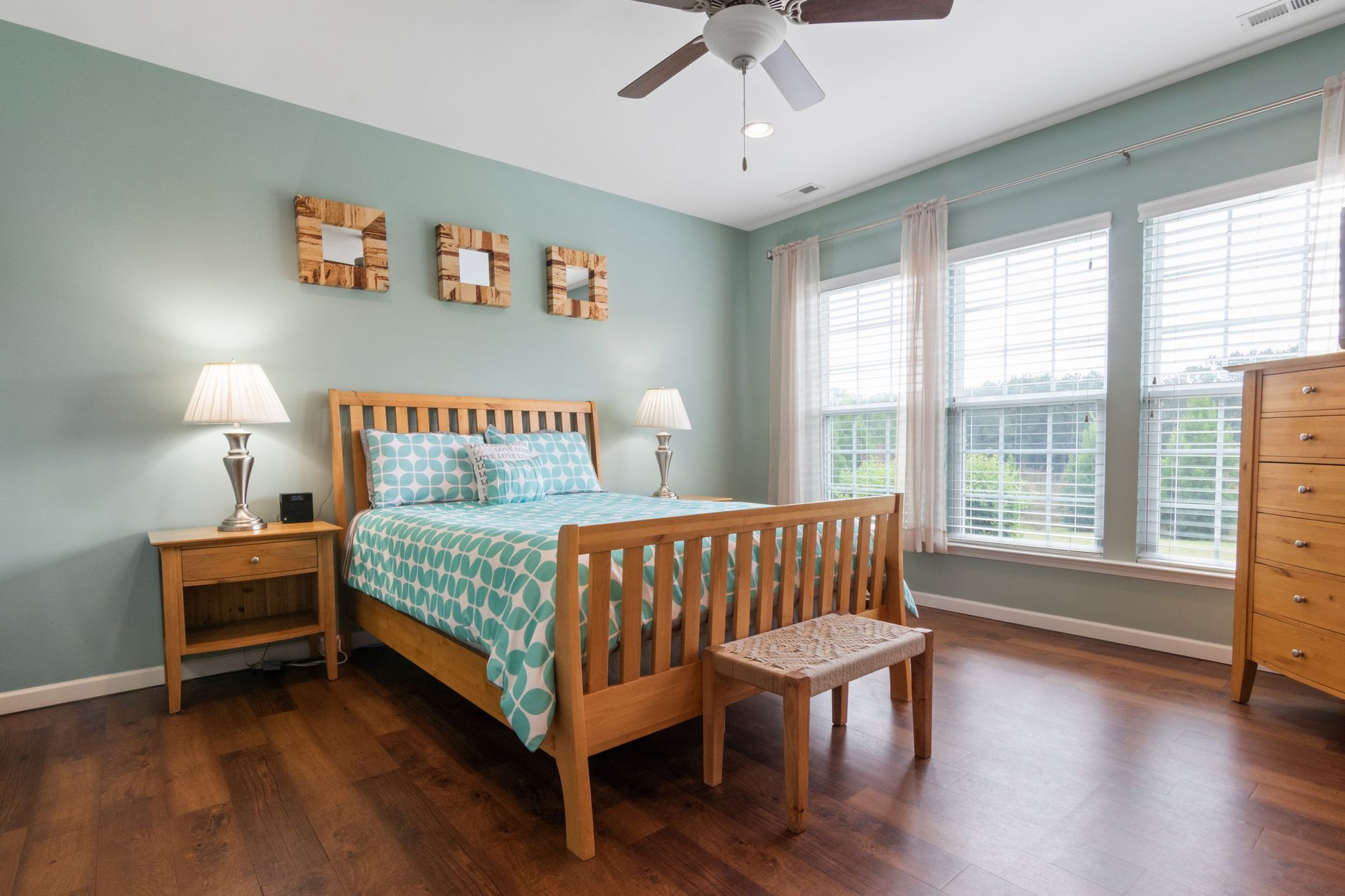
Quick answer: Your thermostat reads the air temperature, but your body also loses heat to cold windows, walls and floors, and to drafts. In winter those surfaces can sit well below 70°F, so the room feels colder than the number says. Cooler heat pump supply air, moving air and dry air add to the chill.
In this guide
- Why does 70 feel warmer in summer than in winter?
- Do cold windows and walls really make a difference?
- Can drafts make a house feel cold at 70?
- Why does heat pump air feel cooler than furnace air?
- Does dry winter air make you feel colder?
- How can I make my house feel warmer without turning up the heat?
- What should you do next?
Why does 70 feel warmer in summer than in winter?
In summer the walls, windows and ceiling around you are warm; in winter they’re cold. Your body trades heat with every surface it can “see,” not just the air touching your skin.
Stand near a west window at 5 PM in August and you feel heat pouring off the glass, even with the AC at 74. Sit by the same window on a 30°F January night and you feel the chill, though the thermostat across the room reads 70. The air is the same temperature. The room isn’t.
Do cold windows and walls really make a difference?
Yes, and windows are usually the biggest one. Plenty of older Austin homes still have single-pane aluminum windows, and on a freezing night that glass can sit not far above the outdoor temperature. Poorly insulated exterior walls run cool too.
So do floors. Pier-and-beam homes, raised on short piers, have a crawlspace of outdoor air under the boards, and tile on a slab stays cool to the touch all winter. The couch by that window, or the desk against that outside wall, sits in a colder spot than the thermostat does.
Try a quick test on the next cold night: hold your palm an inch from the window glass, then an inch from an inside wall. The difference you feel in a few seconds is what your whole body feels all evening in that chair.
Can drafts make a house feel cold at 70?
Often. Warm air rises and escapes through the top of the house, around recessed lights, attic hatches and plumbing openings, and cold outdoor air gets pulled in low to replace it, around doors, windows, outlets and baseboards. Pier-and-beam homes add another path: gaps in the subfloor around pipes and old floor vents.
That slow stream of cold air across the floor chills feet and ankles even while the thermostat is happy. Where your home leaks air lists the usual spots and which ones to seal first.
Why does heat pump air feel cooler than furnace air?
It is cooler. A gas furnace typically blows air around 120-140°F. A heat pump delivers more air at a gentler temperature, commonly in the 90s to around 100°F, and a bit cooler on the coldest days. Your skin sits in the low 90s, so air at that temperature can feel lukewarm or even cool on your hand, especially after a trip through attic ducts.
The house still warms up; the air just doesn’t feel hot coming out. Why a heat pump blows cold air in heat mode explains what’s normal and what isn’t.
Moving air makes it worse. A supply vent aimed at your chair, a fan left on ON, or a ceiling fan spinning in its summer direction all create a breeze, and a breeze feels colder at any temperature.
Does dry winter air make you feel colder?
A little. Cold outdoor air holds little moisture, so once it leaks inside and warms up, indoor humidity drops. Drier air pulls moisture off your skin a bit faster, and evaporation cools.
The effect is smaller than cold surfaces or drafts, but it’s real. Why winter air feels so dry indoors covers the causes, and the biggest one is air leakage, the same culprit behind drafts.
How can I make my house feel warmer without turning up the heat?
Work on the surfaces and the leaks before you touch the thermostat:
- Close curtains or blinds at night, and open them on south-facing windows on sunny days.
- Move favorite seats and beds away from cold windows and exterior walls.
- Seal drafts around doors and windows, and have the attic hatch weatherstripped and insulated.
- Lay rugs on tile and on pier-and-beam floors.
- Run ceiling fans on low in the winter direction (usually clockwise, pushing warm ceiling air down along the walls), or leave them off. See ceiling fan direction in winter.
- Make sure the thermostat isn’t on a warm interior wall, near a lamp or in a sunny spot, reading the house warmer than it is.
- Top up attic insulation and have the ducts checked for leaks, so warm air reaches the rooms instead of the attic. Gold Eagle does both: attic insulation and duct sealing for Austin-area homes.
What should you do next?
- Try the palm test on the next cold night to find your coldest windows and walls.
- Feel for drafts around doors, windows, outlets and the attic hatch, and seal the worst ones first.
- Before you turn the thermostat up, move your favorite chair away from the coldest window.
- If rooms still feel cold, book a Gold Eagle visit to have the ducts checked for leaks.
Related guides: Should You Run Ceiling Fans in Winter, and Which Direction? and Why Does Winter Air Feel So Dry Indoors? Causes and Fixes.
About Gold Eagle Services: This guide comes from the team at Gold Eagle Services, a family-run Austin HVAC, indoor air quality and mold remediation company founded in 2017. We’re licensed (TACLA119235 and RCO1783), insured and bonded, and we serve homes across the greater Austin area.
Need help with this in your home? Learn about our heating repair and tune-ups, or call 512-489-4653 to schedule a visit.
More in Insulation & Envelope
All 23 guides Insulation & EnvelopeWhy Does One Room Get Colder Than the Rest of the House in Winter?One room usually runs cold for one of two reasons: it loses heat faster than the rest of the house (outside walls, lots of…
 Insulation & EnvelopeLeaky Ducts: How They Pull Attic Air and Dust Into Your HomeThe return side of your duct system runs under suction, so any leak in a return duct, filter grille or air handler cabinet in…
 Insulation & EnvelopeWhere Your Home Leaks Air: Central Texas Air Sealing PrioritiesIn most Central Texas homes, the biggest air leaks aren't windows and doors but hidden openings in the attic and ductwork. Sealing between the…