
 HVAC Systems
 Heating
 Ductwork & Air Flow
 Ventilation
 Filtration
 Dehumidification
 Maintenance
 Mold
 Remediation & Restoration
 Pure Maintenance
 Your Home
 Building Science
 Insulation & Envelope
 Health & Safety
 Case Study
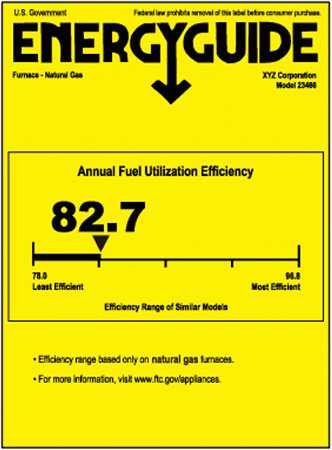
Quick answer: AFUE stands for Annual Fuel Utilization Efficiency: the share of a furnace’s fuel that becomes heat for your home over a typical year. An 80% AFUE furnace turns 80 of every 100 units of gas into heat, and the other 20 go out the vent. Condensing furnaces are rated 90% and up.
In this guide
What does a furnace AFUE rating measure?
It measures how much of a furnace’s fuel becomes heat over a typical heating season. The Department of Energy defines it as the ratio of annual heat output to the fuel energy used, and the test counts starting up, cycling and idling as well as running at full blast. A 95% furnace turns 95 of every 100 units of fuel into heat.
What AFUE leaves out matters too. It ignores heat lost from your ducts and the electricity the blower uses. Hook a 95% furnace to leaky attic ducts, and it won’t deliver 95% of anything to your living room.
What AFUE numbers will you see?
- About 80% covers standard, non-condensing furnaces with a metal flue (exhaust pipe). These are common in Central Texas attics.
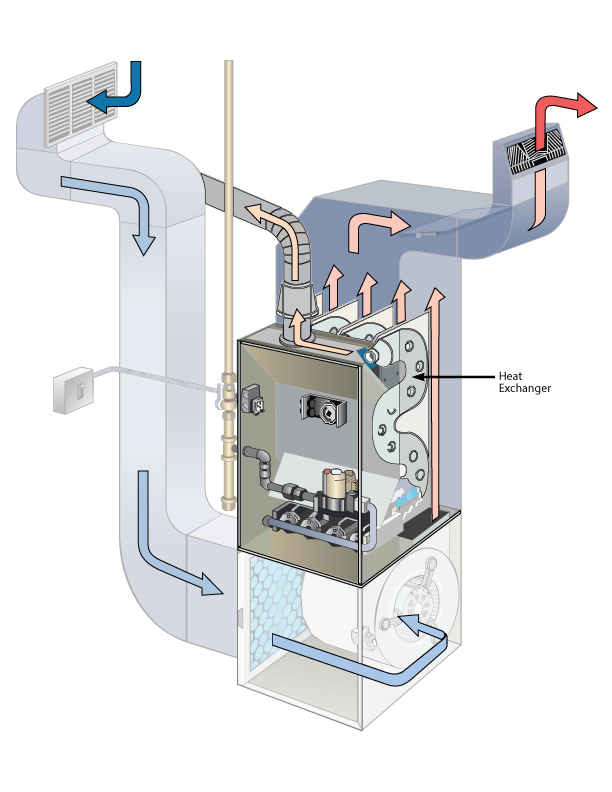
- 90% and up covers condensing furnaces, which pull extra heat out of the exhaust. They vent through plastic pipe and need a condensate drain.
- Well below 80% covers much older furnaces, according to the DOE.
Look for the rating on the yellow EnergyGuide label, the spec sheet or the AHRI certificate, an industry listing of tested ratings. ENERGY STAR certified furnaces carry higher AFUE ratings and more efficient blower motors.
Is a high-efficiency furnace worth it in Austin?
Less than it is up north. Our furnaces run a small fraction of the hours a Minnesota furnace does, so each point of AFUE saves less gas over a year. ENERGY STAR even sets a lower efficiency bar for certified furnaces in the southern U.S. than in northern states, because the payoff is smaller here.
A condensing furnace also brings plastic venting and a condensate drain for the water it makes, and in an attic that drain needs protection from freezing, as covered in why there is water around a furnace in winter. For many Austin homes, the bigger question isn’t 80% versus 95%. It’s whether a heat pump or dual fuel fits the house better.
Is AFUE the same as SEER2 or HSPF2?
No: they rate different machines, so you can’t compare them directly. AFUE rates furnaces that burn fuel. SEER2 rates cooling efficiency, and HSPF2 rates a heat pump’s heating efficiency. What SEER and SEER2 mean covers the cooling side.
How do you choose between an 80% and a 95% furnace?
Weigh three things: your winter gas bills, how long you plan to stay and whether your attic can handle condensing venting and drainage. Then have a technician size the furnace to the house, which matters more than a few points of AFUE. Gold Eagle’s technicians size and install furnaces, heat pumps and dual fuel systems in homes across the Austin area. To see how furnaces, heat pumps and dual fuel systems compare for your home, Build Your System walks you through the options and shows pricing.
What should you do next?
- Find the AFUE on your furnace’s yellow EnergyGuide label or spec sheet.
- Pull up last winter’s gas bills to see what heating really costs you.
- Ask how the condensate drain will be protected from freezing if you’re considering a condensing furnace in the attic.
- Book a Gold Eagle visit to have a technician size the furnace and check the attic ducts.
Related guides: Heat Pump vs. Gas Furnace vs. Dual Fuel in Central Texas, Why a Bigger Furnace Isn’t Better: The Case for Dual Fuel and What Do SEER and SEER2 Mean, and Why Do They Matter?
About Gold Eagle Services: This guide comes from the team at Gold Eagle Services, a family-run Austin HVAC, indoor air quality and mold remediation company founded in 2017. We’re licensed (TACLA119235 and RCO1783), insured and bonded, and we serve homes across the greater Austin area.
Need help with this in your home? Learn about our heater repair and tune-ups, or call 512-489-4653 to schedule a visit.
More in Heating
All 44 guides HeatingIs It Safe to Use a Fireplace While the Heat Is Running?Yes, with some care. Open the damper before lighting the fire and keep it open until the ashes are cool, use a screen and…
 HeatingIs It Safe to Run a Generator During a Winter Power Outage?Yes, if the generator runs outdoors only, at least 20 feet from doors, windows and vents, and never in a garage, even with the…
 HeatingWhat Is a Condensing Furnace?A condensing furnace has a second heat exchanger that pulls so much heat from its exhaust that the water vapor in it condenses. That's…