
 HVAC Systems
 Heating
 Ductwork & Air Flow
 Ventilation
 Filtration
 Dehumidification
 Maintenance
 Mold
Mold Remediation & Restoration
 Pure Maintenance
 Your Home
 Building Science
 Insulation & Envelope
 Health & Safety
Quick answer: A 12-year-old, 1.5-ton single-stage system in a 1,039 sq ft Zilkr on the Park condo couldn’t control humidity: indoor relative humidity (RH) reached 65-72% even with the thermostat at 68°F. After an upgrade to a 2-ton variable-capacity inverter heat pump, the condo held 41-46% RH at a 74°F setpoint. This case study walks through the assessment, the equipment and the results.
In this guide
What was wrong with the original system?
System Configuration (Pre-Upgrade):
- Goodman 1.5-ton single-stage condenser with scroll compressor (fixed capacity, on/off cycling)
- Goodman Wall-Unit with PSC blower motor and 14×18×1 filter media
- Original installation: 2014 (12 years old at time of assessment)
Space Characteristics:
- 1,039 sq ft corner unit, 2nd floor
- East- and south-facing windows (high solar gain, particularly 10 AM-4 PM)
- High ceilings (taller than typical Zilkr units on this floor)
- Shared walls with 1 adjacent unit and a staircase
Performance Baseline:
In summer, the resident kept the thermostat at 68°F to try to manage humidity. Even so, indoor relative humidity consistently reached 65-72% during Austin’s muggiest months (June-August). At 68°F and 70% RH the condo felt clammy, with condensation on the windows and a persistent musty odor, both signs of too much moisture.
The 1.5-ton compressor was undersized for the solar load on this corner unit, and the high ceiling made it harder. More ceiling height means more air to condition, and warm air collects up high (stratification). Solar gain through the east and south windows alone adds an estimated 8,000-10,000 BTU/h in mid-afternoon.
So the fixed-capacity system had two bad modes. At the afternoon peak it ran flat out with little left for moisture. At lighter loads it short cycled, an estimated 8-12 times per hour, never running long enough to dehumidify.
Each short cycle brought the coil to approximately 35-40°F and dropped the air temperature quickly, then shut off before the coil had run long enough to drain steadily. The sensible heat ratio (SHR), the share of cooling spent on temperature rather than moisture, was about 0.80: 80% to temperature, only 20% to moisture. That’s not enough for a moisture-prone corner condo.
How was the new system designed?
Around humidity, not just temperature. The upgrade raised capacity to 2 tons and treated humidity as a primary goal. The 33% capacity increase covers the solar load, while variable-capacity control prevents overshooting and holds the coil at the right temperature for dehumidification. Rather than oversizing one component, the design aimed for a balanced system in which every part helps remove moisture.
What equipment was installed?
Capacity Upgrade Rationale:
The original 1.5-ton system was undersized for a 1,039 sq ft corner unit with heavy sun exposure. Solar gain alone (east/south windows, afternoon sun) approaches 10,000 BTU/h at peak, leaving minimal margin for dehumidification. Upgrading to 2 tons provides headroom, while inverter modulation keeps the system from overshooting on cooler days and in spring and fall.
Indoor Air Handler:
- Model: ADP SM7A2505R (25,000 BTU, 5 kW secondary heat)
- Blower: 5-speed ECM motor
- Evaporator Coil: Oversized aluminum tube-and-fin (2× surface area vs. original)
- Filter: 20×25×1 media (500 sq in filtration surface vs. 252 sq in original)
- Rated airflow: 722 CFM at 0.5″ W.C. external static pressure
- Configuration: Wall-mount compact unit, sealed ductwork connections
Outdoor Unit:
- Model: GE Connect NS15H24 (variable capacity inverter heat pump)
- Efficiency Rating (when paired with GE NAM24V): Rated SEER2: 16.0 / EER2: 9.0 / HSPF2: 8.5/6.8
- Refrigerant: R-454B (A2L low-GWP blend)
- Compressor: Inverter-driven variable-speed scroll
- Cooling Capacity Range: 10,200-24,000 BTU/h (modulates from ~42% to 100% of rated)
- Heating Capacity Range: 7,200-24,000 BTU/h (modulates from ~30% to 100% of rated)
- Operating Range: Heating 0°F to 80°F outdoor; Cooling 40°F to 125°F outdoor
Lineset Configuration:
- Length: 45 feet (field-measured)
- Suction Line: 3/4″ OD, foam-insulated
- Liquid Line: 3/8″ OD, foam-insulated
- Routing: Sealed roof penetration
How was the system commissioned?
Nitrogen Pressure Test:
The refrigerant circuit was pressure-tested to 450 psig using dry nitrogen. It held pressure for 60 minutes with zero decay, confirming the integrity of all brazed and mechanical connections.
Evacuation:
Deep vacuum evacuation with a certified pump to 450 microns. Evacuation time: 45 minutes. Post-evacuation pressure rise: <40 microns over a 10-minute isolation period, confirming moisture and non-condensable removal.
Refrigerant Charge:
Base charge per nameplate: 3 lb 11.6 oz (for standard 25 ft line-set)
Lineset adjustment: 45 ft minus 25 ft = 20 extra feet × 0.55 oz/ft = 11 oz additional charge
Total charge: 4 lb 6.6 oz (weighed on digital scale, ±0.1 oz tolerance)
Startup Verification:
| Parameter | Target | Measured | Status |
|---|---|---|---|
| Evaporator Coil Temp | 42-45°F | 44°F | ✓ |
| Suction Superheat | 8-12°F | 10°F | ✓ |
| Subcooling | 8-10°F | 9°F | ✓ |
| Coil ΔT (return minus supply) | 18-22°F | 22°F | ✓ |
How did the system perform after installation?
Humidity dropped from 65-72% RH to 41-46% RH, at a setpoint 6°F warmer than before. Here are the details.
Operating Conditions (6-week summer baseline):
- Outdoor ambient: 88-98°F
- Indoor setpoint: 74°F (resident comfort preference)
- Runtime: 60-70% compressor capacity during peak load hours
Results:
| Metric | Pre-Upgrade | Post-Upgrade | Improvement |
|---|---|---|---|
| Unit Capacity | 1.5 tons (18K BTU) | 2 tons (24K BTU) | +33% capacity |
| Temperature @ Setpoint | 68°F (constant cycling) | 74°F (stable) | +6°F comfort gain |
| Humidity (Peak Summer) | 65-72% RH | 41-46% RH | About 25 points lower |
| Compressor Cycling | 8-12 cycles/hour | 2-4 cycles/hour | 75% reduction |
| Sensible Heat Ratio (SHR) | ~0.80 | ~0.60 | More dehumidification per BTU |
Humidity Stability:
The system held 44% RH (±2%) during 24-hour operation, including overnight when outdoor RH peaked. No condensation was observed on windows or interior surfaces, and the musty odor was gone within 48 hours of installation.
Energy Observation:
No formal energy audit was done, but the resident reported a slight drop in electricity use, along with the 6°F higher setpoint and much better humidity control. That fits the part-load efficiency of an inverter compared with on/off cycling, despite the 33% capacity increase.
Why does variable capacity control humidity better?
Because it can run slower and longer, keeping the coil cold and the air moving across it. A fixed-capacity system (like the original 1.5-ton) has two states: full blast or off. At partial load, which is most of the day in a condo, the compressor runs at 100%, shuts down and cycles rapidly. That creates two problems:
- Short run times: the coil barely gets cold and wet before the cycle ends, so each cycle removes little moisture
- High SHR: the system hits the temperature target long before it has removed enough moisture
An inverter system adjusts compressor speed to match the load. At 60-70% capacity during peak summer humidity, the compressor runs continuously at lower speed, keeping the coil at a steady 42-45°F, well below the air’s dew point, so water keeps condensing and draining. The resulting SHR of about 0.60 puts far more of the system’s work into moisture (latent) removal.
Capacity Implications for Corner Units:
During afternoon peaks on this corner unit, the original 1.5-ton system ran at full capacity with almost nothing left for dehumidification, because nearly all its cooling went to fighting solar gain. At 2 tons, the inverter meets the same peak at 60-70% capacity, running slower with a cold, wet coil, so a larger share of its work goes to moisture. The system now has headroom for both temperature and humidity.
Filter and Coil Surface Area: Why Bigger Helps Humidity Control
Filter: Filter surface doubled, from 252 sq in (14×18) to 500 sq in (20×25). That roughly halves face velocity, the speed air hits the filter, at the same airflow, so the blower works less to pull air through it and airflow stays where the system was designed to run.
Evaporator coil: The new coil has about twice the surface area of the original. Moisture only comes out of the air where it touches fins colder than the air’s dew point, so more cold fin area means more places for water to condense. The bigger face also slows the air crossing the coil. Slower air spends more time against the cold fins, and condensed water can run down into the drain pan instead of blowing off the fins and back into the duct (called moisture carryover).
The inverter compressor is what makes the extra surface pay off. On a humid day it can slow down and keep running at low speed, holding the coil below the dew point for long stretches instead of cycling on and off. With the old single-speed system, the coil warmed up every time the compressor shut off, and some of the water sitting on it evaporated right back into the condo. Now the coil stays cold and wet and drains steadily, a big part of why the condo stays so much drier.
Lineset Charge Correction:
At 45 feet, the system needed 11 ounces beyond the base charge. This step gets skipped or estimated by pressure more often than it should, which risks an undercharge. Weighing in the charge, as the manufacturer specifies, matters on a small inverter system. An undercharge would have kept the coil from reaching its target temperature, and an overcharge would have cut capacity and efficiency.
What did the resident notice?
The difference was immediate at startup. Instead of the heavy, sticky feel of the old installation, the air now feels crisp and dry without feeling over-cooled. Nights are more comfortable too. The resident no longer wakes up clammy, a constant complaint with the old system even at lower setpoints.
It’s also much quieter. The variable-speed compressor and ECM blower run at a lower, steadier sound level, especially in the afternoon, when the old system’s constant cycling was most noticeable.
Most important, humidity has stayed steady even through Austin’s muggiest weeks. The resident said the condo now feels more comfortable at 74°F than it did at 68°F with the old system. Drier air lets a warmer setpoint feel comfortable.
What does this case study mean for other Austin condos?
That humidity control in a condo takes deliberate system design, not just more tonnage. The original 1.5-ton system at Zilkr had too little capacity and no way to slow down and use it for moisture removal.
A variable-capacity inverter system dehumidifies well through:
- Modulating compressor speed to maintain steady coil temperature
- ECM blower speeds set for the right air velocity across the coil
- A larger filter and coil to reduce face velocity
- Right-sized capacity to prevent overshooting and wasted energy
- Precision commissioning so actual performance matches the design
For Austin condos of a similar age, this kind of system is a strong way to control humidity without adding a separate dehumidifier.
If your condo feels the way this one did, Gold Eagle can check your system’s sizing and humidity control and, when it’s time to replace, design an AC or heat pump system around humidity the same way.
What should you do next?
- Put a hygrometer in your main living area and see whether indoor humidity stays above 60% in summer.
- Notice whether you keep the thermostat low just to fight a clammy feel, or hear the AC turning on and off every few minutes.
- Look for condensation on windows or a musty smell, the same signs this condo showed.
- Book a visit to have your system’s sizing and humidity control checked.
Related guides: What “Relative” Humidity Really Means, Smart HVAC Design: Manual J, D & S Explained and What Do SEER and SEER2 Mean, and Why Do They Matter?.
About Gold Eagle Services: This guide comes from the team at Gold Eagle Services, a family-run Austin HVAC, indoor air quality and mold remediation company founded in 2017. We’re licensed (TACLA119235 and RCO1783), insured and bonded, and we serve homes across the greater Austin area.
Need help with this in your home? Learn about our air conditioning repair and installation, or call 512-489-4653 to schedule a visit.
More in Dehumidification
All 5 guides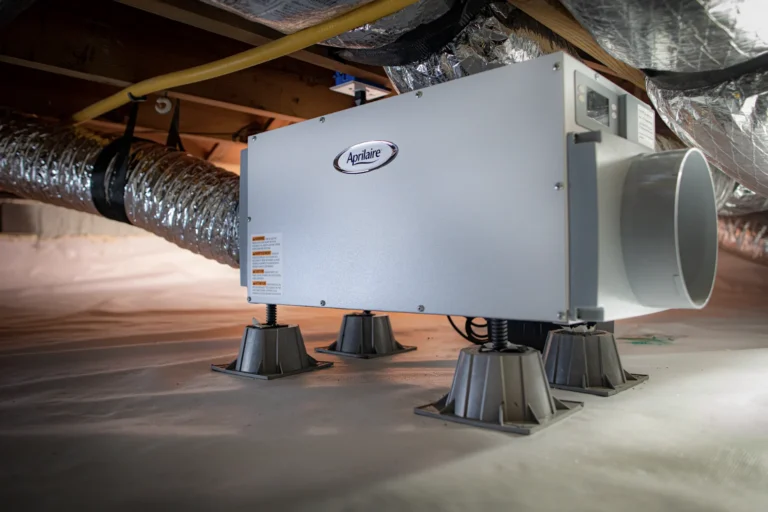 DehumidificationDo You Need a Dehumidifier If You Have Central AC?Many Austin homes don't: a correctly sized, well-maintained central AC in a reasonably tight house usually keeps indoor humidity below 60 percent in summer.…
 DehumidificationWhy Is My House Humid Even With the AC Running?Your AC only removes moisture when it runs long enough with air moving slowly across a cold coil, so anything that cuts that short…
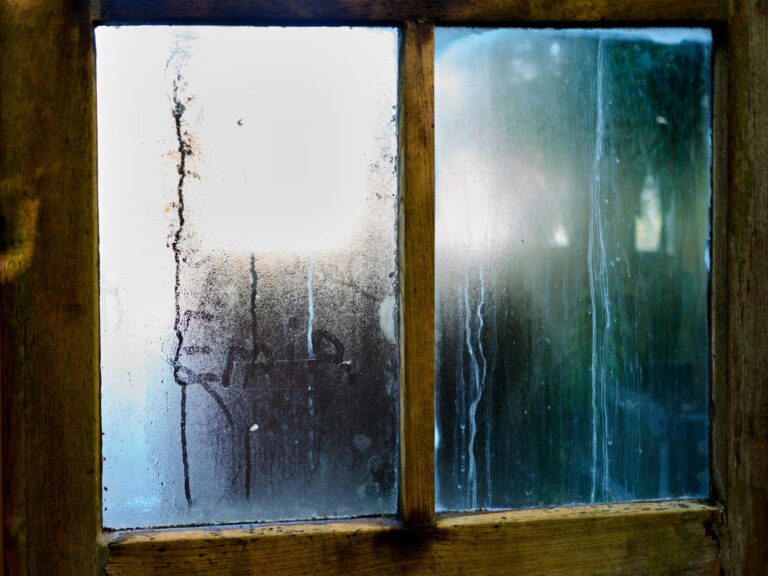 DehumidificationMoisture From Below: Slab and Pier-and-Beam Homes in Central TexasGround moisture reaches Austin homes two ways: as vapor moving up through concrete slabs, and as humid outdoor air flowing through vented crawlspaces under…