
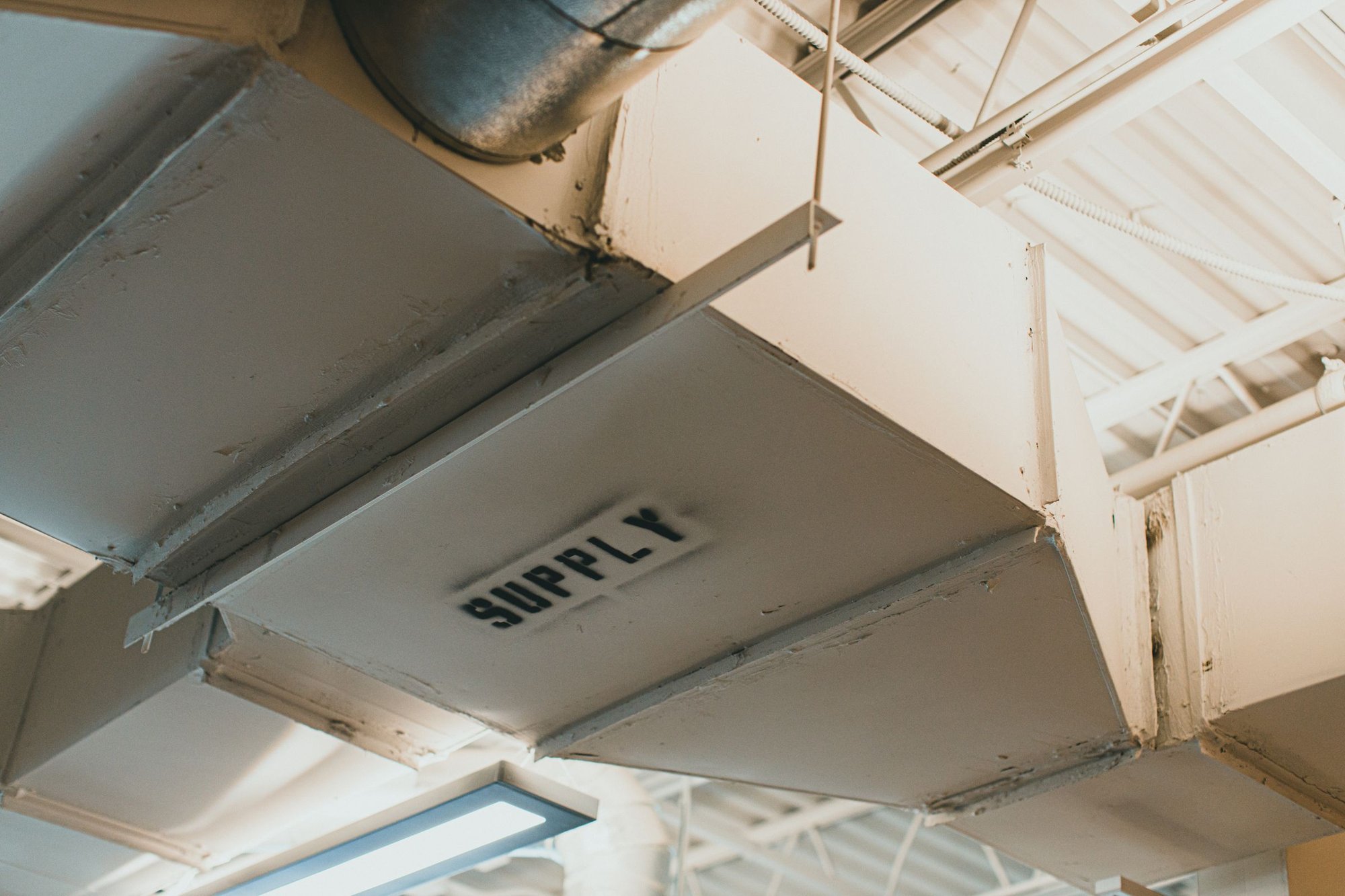
Quick answer: A Passive House relies on a small set of carefully matched mechanical systems: balanced ventilation with an ERV or HRV, right-sized heating and cooling (usually a heat pump), efficient hot water, good filtration and, in humid climates like Central Texas, dedicated dehumidification. They’re designed together from day one so they don’t work against each other.
When most people hear “Passive House,” they picture thick walls, fancy windows and tiny energy bills. Those things are real, but a lot of the work happens out of sight, in the mechanical room.
In a Passive House, the mechanical systems aren’t an afterthought. They’re engineered around the building envelope, airtightness and insulation levels so the home stays comfortable and efficient year-round. Unlike a conventional build, you can’t just drop in a standard furnace, add a few vents and call it a day.
Here are the core mechanical pieces of a Passive House, and why each one matters.
What do ERVs and HRVs do in a Passive House?
They supply fresh air. Passive Houses are so airtight that natural air leakage is minimal. That’s great for efficiency, but fresh air still has to come from somewhere, and that’s the job of an ERV (energy recovery ventilator) or HRV (heat recovery ventilator). Think of them as the house’s lungs.
Both bring in fresh outdoor air and exhaust stale indoor air while transferring heat between the two air streams, so you’re not throwing away energy you’ve already paid for.
- HRV: Transfers heat between outgoing and incoming air, pre-warming fresh air in winter and helping pre-cool it in summer.
- ERV: Does the same, and also transfers some moisture, which helps limit how much outdoor humidity comes in with the fresh air.
In cold climates, HRVs often make more sense. In humid climates like Central Texas, an ERV is usually the better choice because it helps keep incoming humidity in check without overloading the air conditioner.
The big difference from basic ventilation: this isn’t just a fan pulling in outside air. Air from an ERV or HRV is filtered, tempered and spread evenly through the home, keeping comfort and indoor air steady all day and night.
Why do Passive Houses in Central Texas need dehumidification?
Because a very tight house holds onto moisture, and the AC may not run enough to remove it. With little air leakage, moisture from cooking, showers and even breathing tends to stay put. That surprises a lot of new Passive House owners, especially in humid regions.
In a dry climate, that’s not always a problem. In Central Texas and much of the Southeast, high indoor humidity feels muggy, makes rooms feel warmer than the thermostat says and creates conditions where mold can grow.
That’s where dedicated dehumidification comes in. A Passive House needs so little cooling that the AC may not run long enough to pull moisture out, especially on mild, sticky spring and fall days, which Austin serves up plenty of. Many Passive Houses in humid areas include a ducted whole-home dehumidifier, which can hold indoor humidity in a comfortable range (many designers target roughly 40-50% and keep it below 60%) without overcooling the house.
How big should heating and cooling equipment be in a Passive House?
Much smaller than you’d expect. In a typical home, heating and cooling equipment is often oversized “just in case.” A Passive House flips that thinking: the super-insulated, airtight envelope cuts heating and cooling loads so much that small equipment can do the job.
Many Passive Houses get by with:
- A ducted mini-split heat pump (much smaller than a standard furnace/AC system)
- One or more ductless mini-splits in strategic locations
- In some cold climates with very low loads, small electric resistance heaters for backup
With loads that low, heating and cooling can be distributed evenly and efficiently, sometimes sharing ductwork with the ventilation system. In Central Texas, a variable-speed heat pump is especially useful because longer, lower-speed run times remove humidity as well as heat.
What kind of hot water system does a Passive House use?
One designed to waste as little heat and water as possible. It isn’t just about installing a high-efficiency tank. It usually means:
- Heat pump water heaters for high efficiency and low operating cost
- Compact, centralized plumbing runs to shorten how far hot water has to travel
- Demand-controlled recirculation pumps to cut down on wasted water and standby heat loss
A heat pump water heater also pulls heat, and some moisture, from the air around it, which can be a small bonus in a warm, humid climate.
What filtration do Passive Houses use?
Often MERV 13 or higher. Because the ventilation system runs continuously, it’s a natural place to upgrade filtration. MERV 13 or higher filters are designed to capture a high share of fine particles such as pollen, dust and some smoke particles.
During wildfire smoke events or heavy pollen seasons (hello, cedar), good filtration on the fresh-air supply can make a noticeable difference in indoor air, often reducing the need for a separate portable air cleaner in every room.
How do Passive House mechanical systems work together?
Through shared controls, so they don’t fight each other. One of the biggest shifts in Passive House mechanical design is that everything is connected. The ERV or HRV, dehumidifier and heating/cooling equipment are often tied into a single control strategy.
For example:
- A dehumidifier might run before the AC, letting you keep the thermostat higher while still feeling comfortable.
- The ERV can adjust airflow based on indoor CO₂ or humidity levels.
- Heating and cooling can run in small, steady amounts to keep temperatures stable instead of swinging up and down.
It’s a level of coordination most code-built homes never see.
Why do these mechanical systems matter so much?
Because the house doesn’t work without them. Skip them and you get stale air, humidity problems and uneven comfort. Get them right and you have a home that’s energy-efficient, quieter and more comfortable in every season.
The biggest difference is that these systems are designed from day one, not bolted on later. The builder, architect and mechanical contractor are on the same page before the first wall goes up, and in Central Texas that plan should always spell out how the home will handle humidity.
That’s part of why Passive House adoption in the U.S. still lags behind some other countries: it takes more planning and education for everyone involved. But as more homeowners, builders and tradespeople see how well these systems work together, the approach has a lot to offer anyone who wants a comfortable, efficient home.
Related guides: The Passive House Standard: Comfort, Efficiency and the Path Forward in America, Where Your Home Actually Leaks: A Central Texas Homeowner’s Guide to Air Infiltration Priorities and Choosing the Right Insulation Level for Your Climate (R-Value).
About Gold Eagle Services: This guide comes from the team at Gold Eagle Services, a family-run Austin HVAC, indoor air quality and mold remediation company founded in 2017. We’re licensed (TACLA119235 and RCO1783), insured and bonded, and we serve homes across the greater Austin area.
Need help with this in your home? Learn about our indoor air quality solutions, or call 512-489-4653 to schedule a visit.
