
 HVAC Systems
 Heating
 Ductwork & Air Flow
 Ventilation
 Filtration
 Dehumidification
 Maintenance
 Mold
 Remediation & Restoration
 Pure Maintenance
 Your Home
 Building Science
 Insulation & Envelope
 Health & Safety

Quick answer: In Austin, get your heater ready in early to mid October: change the filter, test-run the heat, clear the outdoor unit, test smoke and CO alarms and replace the thermostat batteries. Then book a heating tune-up so a technician can check what you can’t see, like heat strips, burners and the heat exchanger.
In this guide
When should I get my heater ready for winter in Austin?
Early to mid October, before the first real norther (a fast, cold front out of the north) blows through. In a typical Central Texas year the heat sits idle from March until late fall, and then the whole city switches it on the same chilly morning. Parts that baked all summer in a 130°F attic don’t always wake up cheerful.
Test on a mild October afternoon instead. A problem found then becomes a scheduled repair, not a cold night waiting for an open appointment.
What can I check on my heater myself?
Everything on this list is safe to do yourself in about half an hour with a flashlight and a stepladder. Anything behind a furnace or air handler panel is a job for a technician.
- Change the filter. A summer of hard AC use loads it with dust, and a clogged filter chokes airflow in heat mode just as it does in cooling. How often to change your filter in Central Texas covers sizes and schedules.
- Test the heat. Switch the thermostat to Heat and set it a few degrees above the room temperature. Within several minutes you should feel warm air at a vent, and on a heat pump the outdoor unit should be running too.
- Replace the thermostat batteries if it uses them. A dead thermostat on a 30°F night is an avoidable service call.
- Clear around the outdoor unit. Rake out leaves, grass clippings and whatever the wind parked against the coil, and trim plants back a couple of feet. A heat pump works all winter and needs room to breathe.
- Test the smoke and carbon monoxide (CO) alarms. A home with a gas furnace, water heater or range needs working carbon monoxide alarms. Where CO detectors should go explains placement.
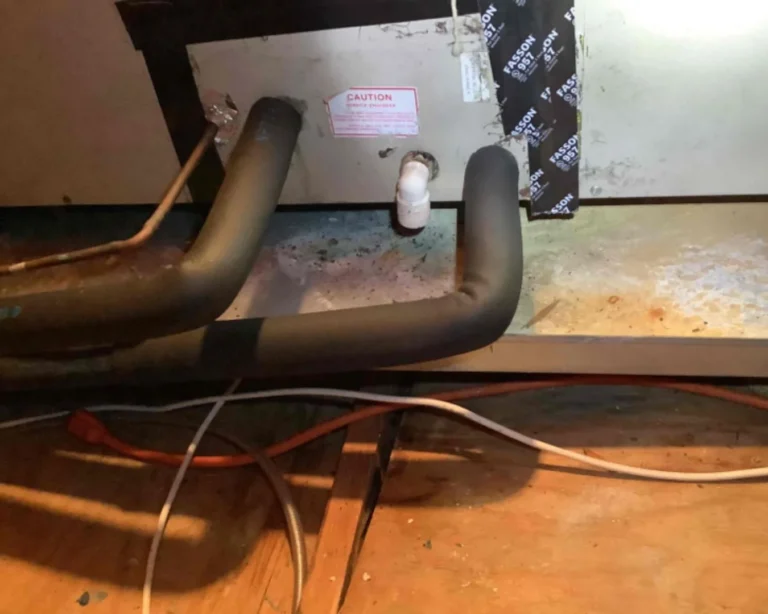
- Check the drain. High-efficiency gas furnaces (the ones with white plastic vent pipes) make water in heat mode, so the small drain line that carries that water away (the condensate line) has to stay clear in winter as well as summer. Water pooling by the furnace means it’s time to call.
Expect a faint, dusty smell the first time the heat runs. Dust settles on the heat strips (electric heating coils in the indoor unit) or the furnace heat exchanger (the metal chamber that warms the air) over summer and burns off in a few cycles. If the smell is sharp, electrical or doesn’t fade, turn the system off and read what a burning smell from the heater means.
What does a heating tune-up check that I can’t?
The safety and electrical checks that take meters and training. On a gas furnace, the technician inspects the burners, the ignitor (which lights the gas) and the flame sensor (which proves the flame lit), checks the heat exchanger for cracks, tests the safety switches, confirms the venting is sound and measures gas pressure.
On a heat pump, the technician checks refrigerant pressures in heat mode, the reversing valve (the part that flips the system from cooling to heating), the defrost controls (which clear frost off the outdoor coil), the electrical draw on each heat strip and every electrical connection.
What’s included in an HVAC tune-up goes through the full list. If you’d rather not remember every spring and fall, a Gold Eagle home maintenance plan puts both visits on the calendar for you.
How do I get my heating ready for a hard freeze?
Label the breaker, learn the Emergency Heat setting and leave a heat pump uncovered, all before the first freeze. Freezes here are occasional, but February 2021 showed what a long one does to houses built for heat.
- Find the breaker for the air handler (the indoor unit, usually in the attic) or furnace and label it, so you can reset or shut it off in the dark.
- Learn what your thermostat’s Emergency Heat setting does before you need it. Aux heat vs. emergency heat explains the difference.
- Don’t wrap or tarp a heat pump. It has to run in winter. Should you cover your outdoor unit? covers AC-only systems too.
- Watch for roof runoff dripping onto the outdoor unit, since ice building on the cabinet can bend the fan or block the coil.
- Insulate hose bibs and any water pipes in the attic, garage or exterior walls.
Which heater problems should I fix before winter?
Anything your test run turns up is worth a call now, while the weather is mild and schedules are open. Watch for these:
- The thermostat says heat is on, but nothing happens. See why the thermostat says heat is on but nothing happens.
- The furnace lights, runs a few seconds and shuts off. See why a furnace turns on and then shuts off.
- The vents blow cool or lukewarm air after several minutes of running. See why a furnace blows cold air.
- A breaker trips when the heat comes on, often a sign of a heat strip or wiring problem. Reset it once at most; if it trips again, leave it off.
- Rattles, bangs or squeals show up that weren’t there last winter.
None of these fix themselves over the holidays, and the first cold week is one of the busiest of the year for heating calls.
What should I do next?
- Put a reminder on your calendar for early October to change the filter and test-run the heat.
- Test your smoke and CO alarms and swap the thermostat batteries the same day.
- Label the breaker for your air handler or furnace before the first freeze.
- Book a Gold Eagle heating tune-up in October if you want a technician to check the parts you can’t see.
Related guides: What’s Included in an HVAC Tune-Up?, How Often Should You Change Your AC Filter in Central Texas? and Heater Smells Like Burning? What’s Normal and When to Call.
About Gold Eagle Services: This guide comes from the team at Gold Eagle Services, a family-run Austin HVAC, indoor air quality and mold remediation company founded in 2017. We’re licensed (TACLA119235 and RCO1783), insured and bonded, and we serve homes across the greater Austin area.
Need help with this in your home? Learn about our heating tune-ups, or call 512-489-4653 to schedule a visit.
Related Gold Eagle service: Heating service
More in Maintenance
All 14 guides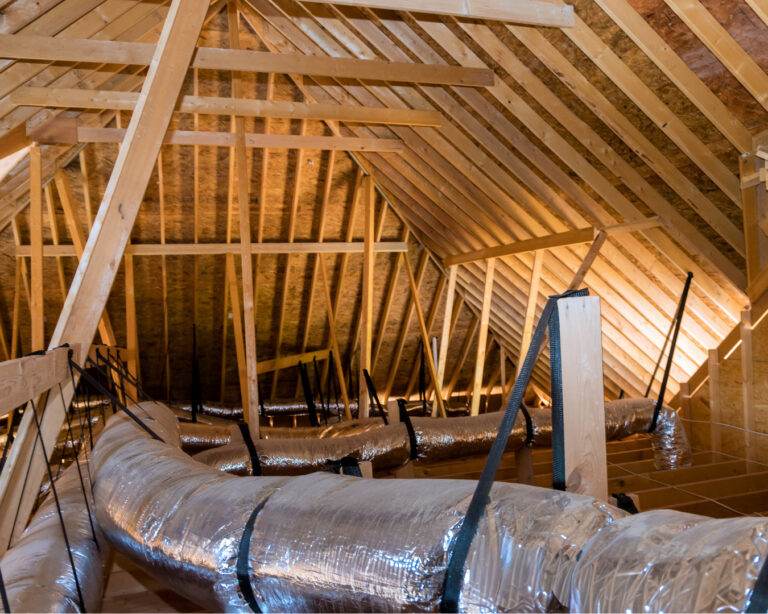 MaintenanceWhy Do Your Ducts Pop or Bang When the Heat Comes On?Ducts that pop or tick when the heat comes on are usually metal parts warming up: the furnace cabinet and heat exchanger, the metal…
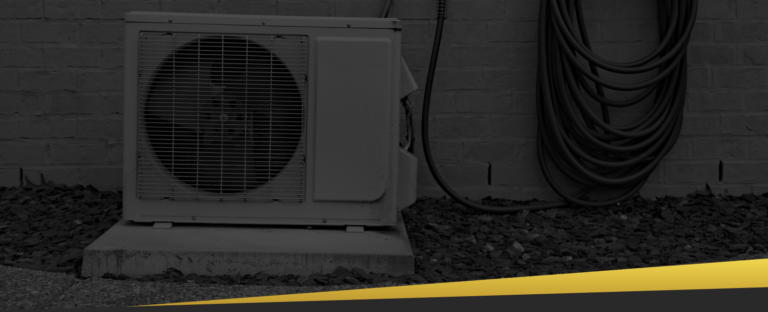 MaintenanceCan You Hose Off Your Outdoor AC Unit?Yes. Turn off the power at the outdoor disconnect or the breaker, then rinse the coil gently with a garden hose on a soft…
 MaintenanceHow Do You Clear a Clogged AC Condensate Drain Line?Turn the AC off, open the cleanout near the indoor unit, flush the line with a cup of distilled white vinegar or warm water,…