
 HVAC Systems
 Heating
 Ductwork & Air Flow
 Ventilation
 Filtration
 Dehumidification
 Maintenance
 Mold
Mold Remediation & Restoration
 Pure Maintenance
 Your Home
 Building Science
 Insulation & Envelope
 Health & Safety
Quick answer: It feels crisp instead of clammy. At the same thermostat setting, a house held near 50% relative humidity feels cooler and fresher than one sitting at 60% or higher, because your skin can shed heat. In Austin that comes from a right-sized system, long gentle run times, tight ducts and sometimes a whole-home dehumidifier.
In this guide
What does a well-dried house actually feel like?
You walk in from a muggy July afternoon and the air feels light. Sheets feel dry at night. The windows don’t fog, the closet doesn’t smell like a gym bag, and you stop reaching for the thermostat every hour. That’s what dry air feels like at a normal setting like 76°F or 78°F.
The humid version of the same house feels sticky at 74°F. It’s the difference between a dry heat and a sauna, just indoors and much milder.
What humidity level should an Austin home aim for?
Most homes are comfortable between 40% and 60% relative humidity, and around 50% is a good target for Central Texas summers. We cover the details in what indoor humidity level to keep in an Austin home. A basic digital hygrometer is an easy way to see where your house actually sits.
Why does humidity change how cool a room feels?
Your body cools itself by letting moisture evaporate from your skin. When the air is already loaded with water, that evaporation slows down, so the same temperature feels warmer and stickier. Pull the moisture out and the room feels cooler without touching the thermostat.
How do quiet, comfortable homes stay dry?
- A right-sized system. An oversized AC cools the air fast and shuts off before it removes much water. See why a bigger AC isn’t better in Texas heat.
- Long, gentle run times. Variable-speed equipment can run at low speed for long stretches, which is exactly when the indoor coil pulls the most water from the air.
- Fan on AUTO. Running the fan on ON can blow water from a wet coil back into the house. More in should you run your HVAC fan on ON or AUTO.
- Sealed ducts. Leaky ductboard and flex runs in a hot attic pull in humid air. Sealing them keeps outside moisture out.
- A whole-home dehumidifier when needed. In tight, efficient homes the AC may not run long enough in spring and fall to keep humidity down. See do you need a dehumidifier if you have central AC.
What are the signs a house is running too humid?
- Clammy or sticky air even when the thermostat says it’s cool.
- A musty smell in closets or the guest room.
- Condensation on windows or sweating supply vents.
- The AC short cycling, running in quick bursts all day.
If that sounds familiar, why your house is humid even with the AC running walks through the usual causes.
What should you do next?
- Put a digital hygrometer in the main living area and check it for a week.
- Set the thermostat fan to AUTO.
- Note any musty closets, foggy windows or sweating vents.
- If humidity stays above 60%, book a visit to check the system and ducts.
Related guides: What Indoor Humidity Level Should You Keep in an Austin Home?, Why Is My House Humid Even With the AC Running? and Do You Need a Dehumidifier If You Have Central AC?
About Gold Eagle Services: This guide comes from the team at Gold Eagle Services, a family-run Austin HVAC, indoor air quality and mold remediation company founded in 2017. We’re licensed (TACLA119235 and RCO1783), insured and bonded, and we serve homes across the greater Austin area.
Need help with this in your home? Learn about our home maintenance plans, or call 512-489-4653 to schedule a visit.
More in Make HVAC Sexy Again
All 3 guides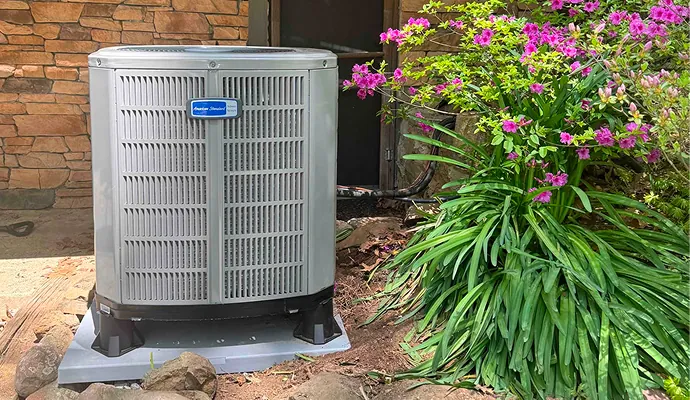 Make HVAC Sexy AgainWhy Are Some AC Units So Quiet? Variable-Speed Condensers ExplainedMost of the noise comes from the compressor and the outdoor fan running at full speed. A variable-speed (inverter) system ramps both down and…
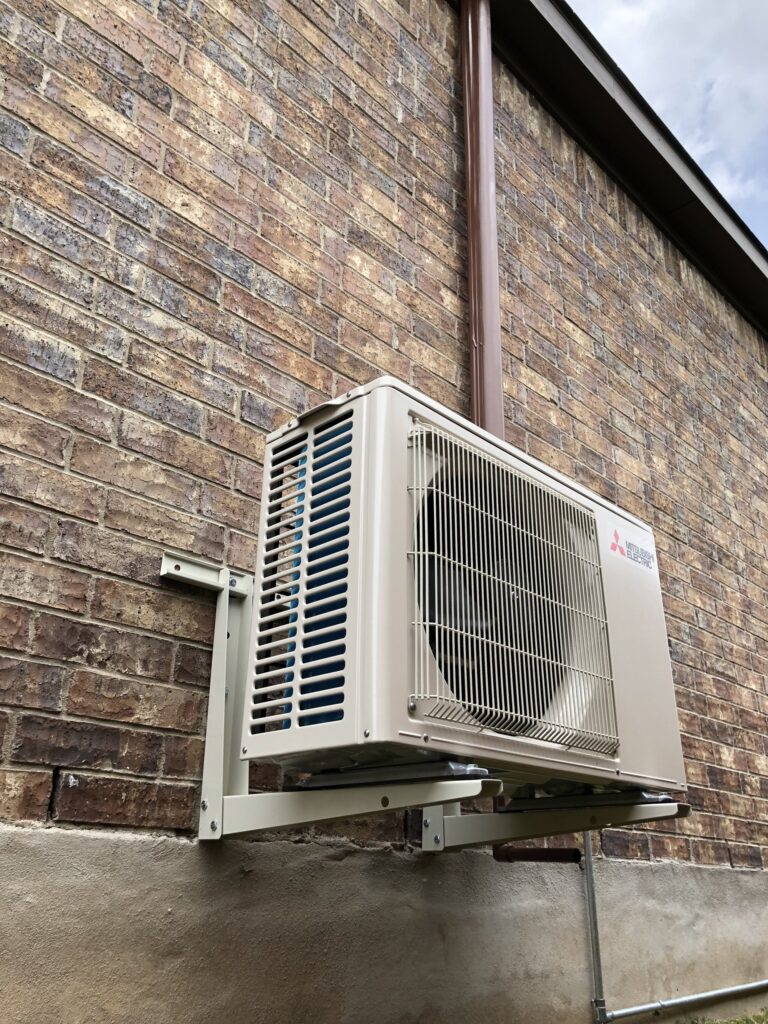 Make HVAC Sexy AgainCan a Mini-Split Look Good? Line-Set Covers vs Exposed LinesYes. A clean ductless install hides the copper lines, drain and wire inside a paintable line-set cover that runs straight and tight to the…