
 HVAC Systems
 Heating
 Ductwork & Air Flow
 Ventilation
 Filtration
 Dehumidification
 Maintenance
 Mold
Mold Remediation & Restoration
 Pure Maintenance
 Your Home
 Building Science
 Insulation & Envelope
 Health & Safety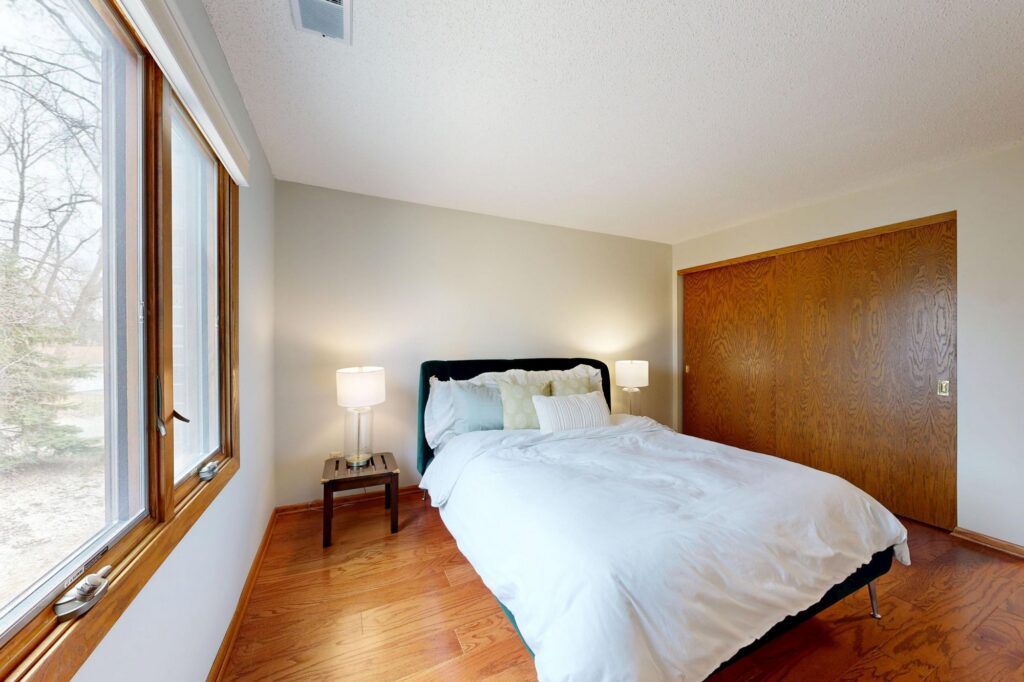
Quick answer: Usually not. With central air, closing vents in unused rooms doesn’t make the blower move less air; it raises duct pressure and pushes more air out through duct leaks. Lawrence Berkeley National Laboratory research found closing registers tended to increase energy use, mostly from extra duct leakage.
In this guide
Why doesn’t closing vents save energy?
Because the system doesn’t know those rooms are closed off. Your blower is built to move a set amount of air, and your thermostat in the hallway decides how long it runs. Closing a register doesn’t shrink the system to fit a smaller house. It just adds a dam in the duct.
That air has to go somewhere. Some gets pushed to other rooms, and some leaks out through gaps at duct seams and connections. In Austin, where most ducts sit in the attic, leaked supply air is cooling a 130°F attic instead of your living room, and leaks on the return side pull hot attic air back in.
Meanwhile the closed room keeps picking up heat through shared walls and the ceiling, so the rest of the house quietly carries some of its load anyway.
Can closing vents hurt your system?
It can, especially when several are closed. Higher duct pressure usually means less air across the indoor coil. In cooling, that can make the coil run colder and, in bad cases, freeze up (see why an AC freezes up or leaks water). Variable-speed blowers may ramp up to fight the restriction, using more power and making more noise. In heat mode, less airflow means equipment runs hotter than it should.
There’s a moisture side too. A closed-off back bedroom in an Austin summer isn’t being cooled or dehumidified, and it can drift warm and humid. That’s how musty spare rooms and closets happen. Our guide on how indoor moisture affects your home’s air explains why that matters.
Is closing just one vent a problem?
One partly closed register in a system with good duct design usually isn’t a big deal. The trouble stacks up as more close. Technicians sometimes adjust balancing dampers on purpose to shift air between rooms, but they do it after measuring airflow and static pressure, not by feel.
What actually saves energy with rooms you don’t use?
Treat the whole house and the ducts, not individual registers:
- Leave the vents open and the door cracked, or make sure the room has a return path.
- Raise the thermostat a degree or two, or use a schedule for times nobody is home.
- Seal and insulate the ducts. Leaky ducts waste far more than a spare room does.
- Top up attic insulation and seal the big air leaks above the ceiling.
- If part of the house really sits empty most of the year, a properly designed zoning system or a separate ductless unit is the right tool. Zoning has its own challenges in older duct layouts, covered in why zoning is complex in Central Texas homes.
Related guides: Leaky Ducts: How They Pull Attic Air and Dust Into Your Home, Why Properly Sized Ductwork Matters for Your HVAC System and Why Zoning an HVAC System Is Complex in Central Texas Homes.
About Gold Eagle Services: This guide comes from the team at Gold Eagle Services, a family-run Austin HVAC, indoor air quality and mold remediation company founded in 2017. We’re licensed (TACLA119235 and RCO1783), insured and bonded, and we serve homes across the greater Austin area.
Need help with this in your home? Learn about our ductwork design, sealing and replacement, or call 512-489-4653 to schedule a visit.
Related Gold Eagle service: Air duct cleaning
More in Ductwork & Air Flow
All 19 guides Ductwork & Air FlowWhy Is One Room Hotter Than the Rest of the House?The usual reasons one room runs hotter than the rest of the house in Central Texas, how to tell heat gain from an airflow…
 Ductwork & Air FlowHow Do You Increase Airflow to One Room?How to get more air from the vents in one weak room, from the quick checks you can do yourself to the duct problems…
 Ductwork & Air FlowMoisture From Below: Slab and Pier-and-Beam Homes in Central TexasGround moisture reaches Austin homes as vapor through concrete slabs and as humid air in vented crawlspaces. Drainage handles liquid water; sealing, vapor barriers,…