
 HVAC Systems
 Heating
 Ductwork & Air Flow
 Ventilation
 Filtration
 Dehumidification
 Maintenance
 Mold
 Remediation & Restoration
 Pure Maintenance
 Your Home
 Building Science
 Insulation & Envelope
 Health & Safety
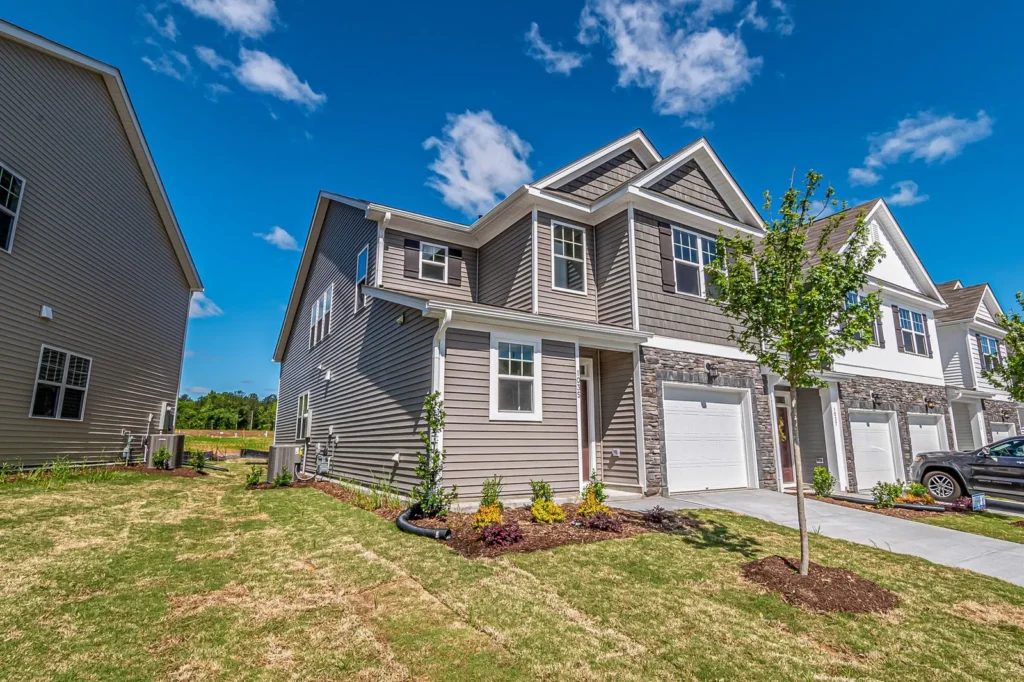
Quick answer: Start with a Manual J load calculation to size the system, then compare system types, SEER2 efficiency, staging (single-stage, two-stage or variable-speed) and lifetime costs. In Central Texas, put cooling and humidity control first, and weigh installation quality as much as equipment.
In this guide
- Step 1: What does your home actually need?
- Step 2: What types of HVAC systems are there?
- Step 3: Which efficiency ratings should you compare?
- Step 4: Should you choose single-stage, two-stage or variable-speed?
- Step 5: Which refrigerant will your system use?
- Step 6: Which indoor air quality features are worth considering?
- Step 7: What will the system cost over its lifetime?
- Step 8: Why does professional installation matter so much?
- What should you do next?
A new HVAC system is one of the biggest purchases you’ll make for your home, and you’ll live with it through every August afternoon and January cold snap for years. Between system types, efficiency tiers and features, it’s easy to feel buried in brochures.
Take it one step at a time. These eight steps get you to a system that fits your house, your budget and the Central Texas climate.
Step 1: What does your home actually need?
Your house, not your neighbor’s, sets the requirements. Start with these four things:
- Size and layout: Bigger homes generally need more capacity, but square footage alone can’t size a system. Ceiling height, windows and layout all count. A two-story with a west-facing glass wall is a very different job than a shaded one-story of the same size.
- Insulation and air sealing: Well-insulated, well-sealed homes hold cool air better, which can allow a smaller, more efficient system. In Austin, current code calls for R-49 attic insulation.
- Climate: Here, efficient cooling and humidity control come first. Our mild winters make heat pumps a strong option for many homes.
- Existing ductwork: Homes with sound, well-sealed ducts suit central systems. Homes without ducts may be better served by ductless mini-splits.
A professional load calculation, called a Manual J, works out how much heating and cooling your home needs from its construction, orientation, windows and insulation. It’s far more accurate than “one ton per so many square feet” (a ton is a unit of cooling capacity, not weight).
It also guards against a common mistake. An oversized system cools the house fast, then shuts off before it pulls out enough humidity, leaving the place cool but clammy.
Step 2: What types of HVAC systems are there?
Four main types cover most Central Texas homes, and each suits a different situation:
- Central air conditioner and furnace: A common pairing for homes with ductwork and gas service, giving reliable heating and cooling year-round.
- Heat pumps: Heating and cooling in one system. A heat pump moves heat rather than making it, which is why it’s a popular choice in mild-winter climates like ours, with electric backup heat for the occasional hard freeze.
- Ductless mini-splits: A strong option for homes without ducts, or for specific rooms, additions or converted garages. They offer room-by-room control and high efficiency.
- Hybrid (dual-fuel) systems: A heat pump paired with a gas furnace, switching between them automatically by outdoor temperature to run as efficiently as possible.
The right one depends on your comfort preferences, how your home is built and whether you have gas service.
Step 3: Which efficiency ratings should you compare?
Compare SEER2 for cooling, HSPF2 for heat pump heating and AFUE for gas furnaces. Efficiency shapes both your energy bills and the long-term value of the system.
- SEER2 (Seasonal Energy Efficiency Ratio 2): Cooling efficiency. Since January 1, 2023, new systems have been rated in SEER2, a tougher test than the old SEER, so the numbers read a bit lower for the same equipment. A higher SEER2 means less electricity for the same cooling. In Texas, the minimum for most new split-system air conditioners is 14.3 SEER2, and many systems go well above that.
- HSPF2 (Heating Seasonal Performance Factor 2): A heat pump’s heating efficiency under the current standard.
- AFUE (Annual Fuel Utilization Efficiency): Gas furnace efficiency. High-efficiency furnaces reach 90% AFUE or higher.
High-efficiency systems cost more up front but can lower energy bills over time. The savings tend to be biggest in hot climates with long cooling seasons. That’s us.
Step 4: Should you choose single-stage, two-stage or variable-speed?
Choose by how smoothly you want the system to run. Staging means how many speeds the equipment has, and it affects comfort as much as energy use.
- Single-stage systems run at full power whenever they’re on. They’re the most affordable, but less efficient and more prone to temperature swings.
- Two-stage systems run on high or low, spending most of their time on low for quieter operation and better efficiency.
- Variable-speed systems adjust output continuously to match demand. They typically give the most even comfort, the best humidity control and the highest efficiency.
If comfort, humidity control and long-term savings are your priorities, two-stage or variable-speed equipment is often worth the step up.
Step 5: Which refrigerant will your system use?
Most new systems use R-454B or R-32. R-410A, the refrigerant in most systems installed in recent years, is being phased down under the federal AIM Act, and new equipment has moved to these lower-GWP (global warming potential) refrigerants.
The new refrigerants are mildly flammable (classified A2L), so they’re installed under updated safety codes. When you compare quotes, ask which refrigerant each system uses.
Step 6: Which indoor air quality features are worth considering?
Pick the ones that fit your house and your concerns. A modern system can do more than hold a temperature, so look for equipment that works well with:
- Higher-MERV filtration: Filters rated to catch more dust, pollen and fine particles, as long as the system is set up for the extra airflow resistance.
- Humidity control: Whole-home dehumidifiers, or systems with dehumidification modes, that manage moisture in our humid climate.
- Air cleaning add-ons: UV lights or air cleaners designed to reduce growth on the coil, particles and odors.
Chosen well, these make the house more comfortable and cut the dust and moisture in its air.
Step 7: What will the system cost over its lifetime?
It will cost more than the installation price, so look at the whole picture:
- Installation: Central systems may need ductwork repairs or changes, while ductless systems skip the ducts but may need several indoor units.
- Energy use: High-efficiency systems can cut electric bills over time.
- Maintenance: Every system needs regular care, and some need more frequent filter cleaning or service visits than others.
- Lifespan and warranty: A well-built, properly installed system saves money by not needing early replacement. New equipment comes with a manufacturer warranty, so ask for the details.
Step 8: Why does professional installation matter so much?
Even the best equipment performs poorly if it’s installed badly. A qualified contractor should size the system with a load calculation, check and design the ductwork, install the equipment safely and set it up to run efficiently.
A top-tier unit hooked to leaky, undersized ducts is a sports car stuck in MoPac traffic. A good contractor can also walk you through financing, available rebates and warranty details.
Gold Eagle installs and services HVAC systems across the Austin area. When you’re ready to compare options, you can build your system online to choose a system type and efficiency tier and see an estimate, and our local team reviews every build. For furnaces and heat pumps, see our furnace and heat pump services.
What should you do next?
- Ask for a Manual J load calculation before you compare equipment.
- Compare system types, SEER2 ratings and staging, and ask which refrigerant each quote uses.
- Have the ductwork checked as part of any quote.
- Hire a contractor who sizes and installs the system correctly. To have Gold Eagle do it, book a visit or call 512-489-4653.
Related guides: Smart HVAC Design: Manual J, D & S Explained, What Do SEER and SEER2 Mean, and Why Do They Matter? and The Different Types of HVAC Systems Explained.
About Gold Eagle Services: This guide comes from the team at Gold Eagle Services, a family-run Austin HVAC, indoor air quality and mold remediation company founded in 2017. We’re licensed (TACLA119235 and RCO1783), insured and bonded, and we serve homes across the greater Austin area.
Need help with this in your home? Learn about our air conditioning repair and installation, or call 512-489-4653 to schedule a visit.
Related Gold Eagle service: AC repair in Austin
More in Air Conditioning
All 37 guides Air ConditioningWhat Should You Set Your Thermostat to When You’re Away?In summer, raise the thermostat a few degrees instead of turning the AC off, generally no higher than the mid 80s, so the house…
 Air ConditioningHow Cold Should the Air From Your AC Vents Be?Air from your supply vents is usually about 15 to 20°F cooler than the air going into the return, a difference called the temperature…
 Air ConditioningWhy Is One Room Hotter Than the Rest of the House?One room runs hotter when it gains more heat than its air supply can carry away. Usual causes: afternoon sun on west or south…