
 HVAC Systems
 Heating
 Ductwork & Air Flow
 Ventilation
 Filtration
 Dehumidification
 Maintenance
 Mold
 Remediation & Restoration
 Your Home
 Building Science
 Insulation & Envelope
 Health & Safety
 Case Study
Quick answer: Yes. Your home still makes moisture, odors and stale air in winter, and it needs a steady trickle of fresh air to carry them out. Run bath and kitchen fans, open windows briefly on mild afternoons, and let an ERV or fresh-air system run if you have one. Done sensibly, the heating cost is small.
In this guide
- Why does a house need fresh air in winter?
- Does opening windows in winter waste heat?
- What’s the easiest way to ventilate a house in winter?
- What if your house has an ERV or fresh-air intake?
- When should you keep the windows closed in winter?
- How do you know if your house needs more ventilation?
- What should you do next?
Why does a house need fresh air in winter?
Because the things that make indoor air stale don’t take the winter off. Showers, cooking, pets and plain breathing add moisture and carbon dioxide to the air. Candles, cleaning products, new furniture and a gas range add odors and fumes.
In summer the AC pulls moisture out as it cools. In winter the house is closed up and the heat recirculates the same air, so it builds up.
Newer Austin homes are built much tighter than older ones, which helps your bills but means less air sneaks in through gaps on its own. Our guide to ventilation options for newer Austin homes goes deeper on that.
Does opening windows in winter waste heat?
A little, but less than you’d think. Air holds very little heat compared with the walls, floors and furniture in your house. Opening a few windows for ten minutes swaps out the air, and the room warms back up quickly because everything in it is still warm. What wastes energy is a window left cracked all day, or a bath fan that runs for hours with nobody in the bathroom.
Aim for the right amount: steady fan use where moisture and odors are made, plus a quick air-out now and then.
What’s the easiest way to ventilate a house in winter?
Use the fans you already have, and use them on purpose:
- Bathroom fans: run during every shower and for about 20 minutes after. Make sure it actually vents outside and not into the attic.
- Kitchen range hood: turn it on whenever you cook, especially on a gas range. A hood that vents outside does much more than a recirculating one.
- A quick air-out: Austin winters have plenty of 60°F afternoons. Open windows on opposite sides of the house for 10-15 minutes while the heat is off, then close them.
- Laundry: keep the dryer vent clean and connected so the moist air goes outside.
What if your house has an ERV or fresh-air intake?
Leave it running. An energy recovery ventilator (ERV) brings in outdoor air and sends out stale indoor air, passing the two streams past each other so the incoming air picks up much of the heat from the outgoing air. It’s built for exactly this job.
Some homes have a simpler fresh-air duct tied into the return, often with a damper (a flap that opens and closes) and a timer. Check that the damper isn’t shut and the filter or screen on the intake isn’t clogged.
Not sure what’s in your attic? Look for an extra box, or a duct running from the return to a vent on the roof or soffit (the underside of the roof overhang). A technician can tell you in a minute during a tune-up.
When should you keep the windows closed in winter?
Skip it during a hard freeze and on high-pollen or smoky days. On a sub-freezing night, open windows chill the pipes in exterior walls and make the heat work hard for no gain. From December into February, cedar pollen is heavy in the Austin area, so on high-count days lean on your fans and a good filter instead.
You can check local conditions on our Air Quality Index page. The same goes for days with wildfire smoke in the area.
If you have a gas furnace, water heater or fireplace, never block the vents or combustion air openings (the grilles they draw air through), even to stop a draft. Those appliances need that air to burn properly and to vent their exhaust.
How do you know if your house needs more ventilation?
Your house usually tells you. Signs to watch for:
- Condensation on the inside of windows on cold mornings, especially in bedrooms.
- Cooking or pet smells that hang around into the next day.
- A stuffy feeling when you come back inside.
- Bathroom mirrors that stay fogged long after a shower.
Winter air in Central Texas is often dry, and ventilation brings in more of it. If the house feels dry, air it out less often and run the bath and kitchen fans only when you need them.
Gold Eagle’s indoor air quality team checks ERVs and fresh-air ducts across the Austin area, so raise moisture and air quality questions about your house at your next tune-up. Health questions about indoor air belong with a doctor.
What should you do next?
- Run the bath fan during every shower and for about 20 minutes after, and check that it vents outside.
- Turn on the range hood whenever you cook.
- On a mild, low-pollen afternoon, open windows on opposite sides of the house for 10-15 minutes with the heat off.
- If you have an ERV or fresh-air duct, check that the damper is open and the intake screen is clean, or ask about it at your next Gold Eagle tune-up.
Related guides: Fresh Air in a Tight House: Ventilation Options for Newer Austin Homes, Does a Bathroom Exhaust Fan Need to Vent Outside? and Should You Open the Windows on Cool Fall Days in Austin?.
About Gold Eagle Services: This guide comes from the team at Gold Eagle Services, a family-run Austin HVAC, indoor air quality and mold remediation company founded in 2017. We’re licensed (TACLA119235 and RCO1783), insured and bonded, and we serve homes across the greater Austin area.
Need help with this in your home? Learn about our indoor air quality services, or call 512-489-4653 to schedule a visit.
Related Gold Eagle service: Heating service
More in Ventilation
All 9 guides VentilationWhy Is the Laundry Room So Hot and Humid? Dryer Vents and Your ACA clothes dryer should push hot, wet air outside through its vent. When that vent is clogged, crushed, too long or disconnected in the…
 VentilationDoes Your Kitchen Range Hood Really Matter for Indoor Air?Yes. Cooking is one of the biggest daily sources of moisture, grease, smoke and odors in a home, and gas burners add combustion gases…
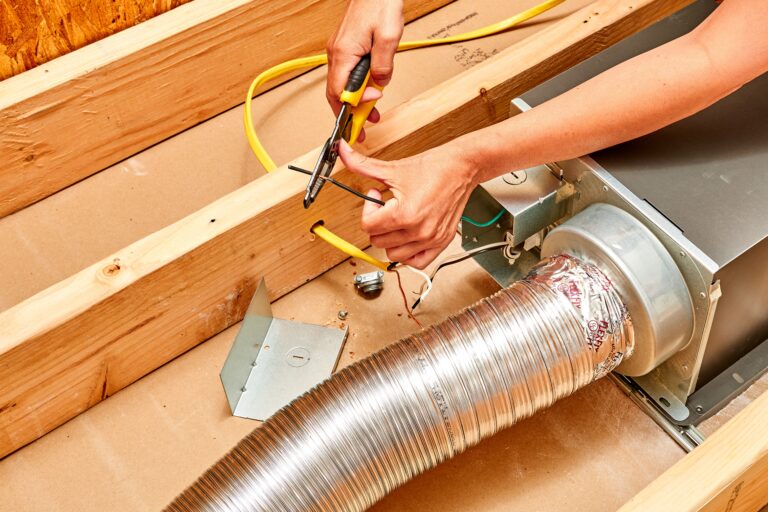 VentilationDoes a Bathroom Exhaust Fan Need to Vent Outside?Yes. A bathroom exhaust fan should be ducted all the way outdoors through a roof or wall cap with a damper flap. The residential…