
 HVAC Systems
 Heating
 Ductwork & Air Flow
 Ventilation
 Filtration
 Dehumidification
 Maintenance
 Mold
 Remediation & Restoration
 Pure Maintenance
 Your Home
 Building Science
 Insulation & Envelope
 Health & Safety
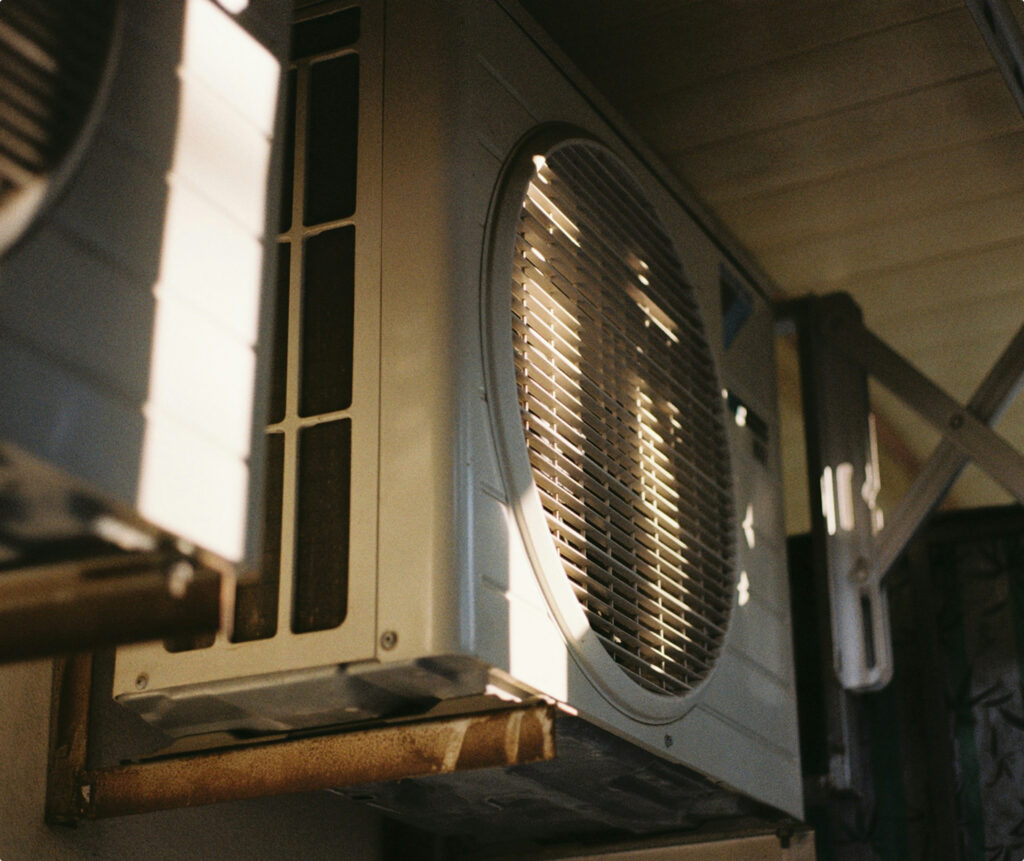
Quick answer: Water running out of an outdoor heat pump in winter is usually melted frost from a defrost cycle, and it’s normal. What matters is where it goes. If it can’t drain away and refreezes under the unit, ice can build up into the coil, and that needs attention.
In this guide
Why is water coming out of my heat pump in winter?
It’s melted frost from the outdoor coil (the metal fins wrapped around the unit). In heat mode, the outdoor coil is the cold side of the system: it runs colder than the outdoor air so it can pull heat from it. On a damp winter morning, moisture condenses on that cold metal, and once the coil itself drops below 32°F, which can happen when it’s near 40°F outside, the water turns to frost.
Every so often the heat pump runs a defrost cycle, a normal few-minute routine that warms the coil to melt the frost off. The meltwater runs down through the coil and out the openings in the base of the cabinet.
Central Texas winters are full of humid 35 to 45°F mornings, which is prime frost weather. That’s why plenty of Austin homeowners first notice the water in December.
How much water from a heat pump is normal?
More than you might expect. A defrost cycle can send a steady trickle out of the base for several minutes and leave a wet patch or small puddle around the pad. You may also see steam and hear a whoosh as the system switches over. Why a heat pump blows cool air and steam during defrost covers those parts.
Between defrost cycles, a little dripping from the coil is normal on a wet day.
When is water around my heat pump a problem?
When it can’t get away from the unit. On a freezing night, water pooled under the heat pump refreezes, and the next defrost adds another layer. Over a few cycles, ice can creep up from the base into the bottom of the coil, where defrost can’t reach it.
Water usually gets trapped for one of four reasons:
- A pad that has sunk into clay soil, or mulch and dirt piled up to the cabinet’s edge.
- A low spot in the yard where runoff collects.
- A gutter or roof edge dripping straight onto the top of the unit.
- Leaves packed into the base.
A thin film of ice on the pad is no cause for alarm. Ice climbing up the coil, or a unit that stays iced after several defrost cycles, needs service.
What can I do about ice under my heat pump?
- Keep mulch, soil and leaves pulled back from the base so water can drain (safe DIY).
- Redirect downspouts and fix gutters that spill onto the unit.
- Watch nearby steps and walkways, where meltwater can refreeze overnight.
- Leave ice on the coil alone: don’t chip it or pour hot water on it. The fins and tubing damage easily.
If the pad keeps sinking or the unit sits too low, a technician can level it or raise it on risers so it drains. If the unit is iced over, switch the thermostat to emergency heat (backup heat only, so the outdoor unit rests) and call. Can a heat pump keep up with a Texas freeze? explains what happens in a real cold snap. Gold Eagle’s technicians level sunken pads, raise units on risers and repair heat pumps that won’t defrost across the Austin area; see our heat pump services.
Is water under my heat pump a refrigerant leak?
No, a refrigerant leak doesn’t make puddles. Refrigerant, the fluid that carries heat through the system, escapes as a gas. A leak shows up as weak heating or heavy icing, sometimes with an oily spot on the lines.
Water you find indoors is a different problem. Water near the indoor unit, in a closet or dripping from a ceiling below the attic comes from a drain line, a pan or plumbing, not the outdoor unit. How to clear a clogged condensate drain line is a good place to start.
What should I do next?
- Pull mulch, soil and leaves back from the base of the outdoor unit.
- Check that no gutter or downspout spills onto the unit.
- Look for ice climbing up the coil from the base after a freezing night.
- Schedule service if the unit stays iced or the pad keeps sinking.
Related guides: Why Is My Heat Pump Blowing Cold Air in Heat Mode?, Can a Heat Pump Keep Up With a Texas Freeze? and Should You Cover Your Outdoor AC Unit in Winter?
About Gold Eagle Services: This guide comes from the team at Gold Eagle Services, a family-run Austin HVAC, indoor air quality and mold remediation company founded in 2017. We’re licensed (TACLA119235 and RCO1783), insured and bonded, and we serve homes across the greater Austin area.
Need help with this in your home? Learn about our heat pump repair and installation, or call 512-489-4653 to schedule a visit.
Related Gold Eagle service: Heating service
More in Heating
All 31 guides HeatingWhat Is a Heat Pump’s Balance Point, and Why Does It Matter in Central Texas?A heat pump's balance point is the outdoor temperature where its heat output just matches the heat your house loses. Above it, the heat…
 HeatingWhy Does My Heat Pump Run Nonstop When It’s Below Freezing?A heat pump runs nonstop in freezing weather because the colder it gets, the less heat it can pull from outdoor air, while your…
 HeatingShould You Run Ceiling Fans in Winter, and Which Direction?Yes. In winter, run a ceiling fan on low, turning clockwise as you look up at it. That gentle updraft pushes warm air from…