
 HVAC Systems
 Heating
 Ductwork & Air Flow
 Ventilation
 Filtration
 Dehumidification
 Maintenance
 Mold
Mold Remediation & Restoration
 Pure Maintenance
 Your Home
 Building Science
 Insulation & Envelope
 Health & Safety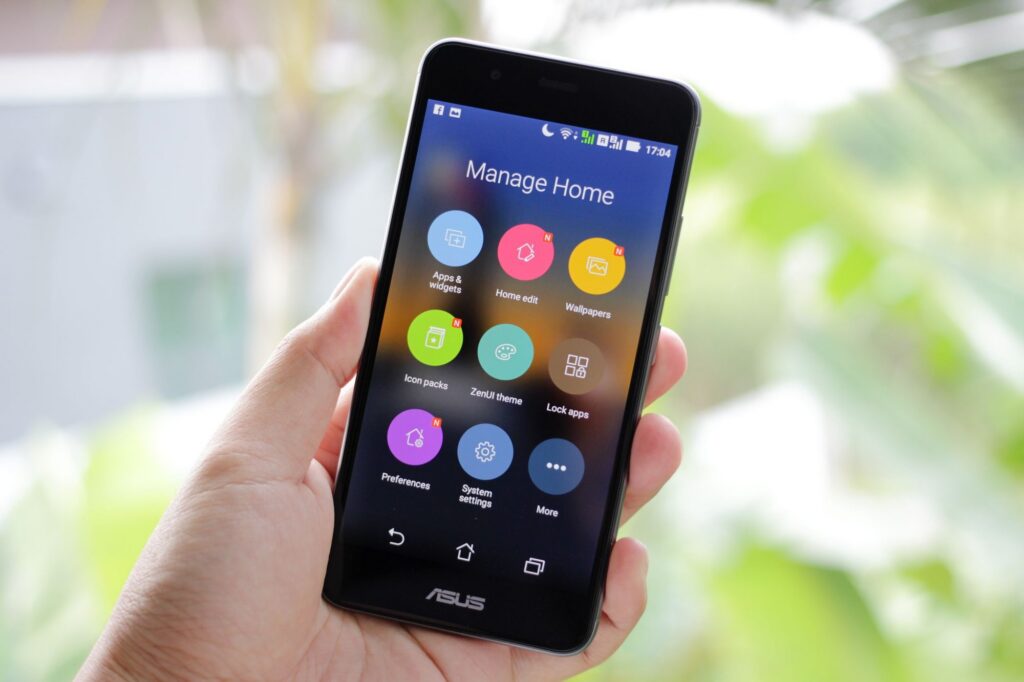
Quick answer: The biggest HVAC trends are smarter connected controls, two-stage and variable-speed equipment, better indoor air quality options, higher efficiency standards (SEER2 since 2023) and a shift to lower-GWP refrigerants such as R-454B and R-32. Together they’re making systems more efficient, quieter and better at controlling humidity.
In this guide
- What are smart and connected HVAC systems?
- What’s the difference between two-stage and variable-speed systems?
- What changed with SEER2 efficiency standards?
- Which new refrigerants are replacing R-410A?
- What indoor air quality features are coming to HVAC systems?
- How are HVAC systems getting more energy efficient?
- Are newer HVAC systems quieter and more comfortable?
- How does HVAC fit into a smart home?
- The bottom line
Heating and cooling has changed more in the last decade than in the several decades before it. The job is the same (keep the house comfortable while Texas does its best to cook it), but the way systems do that job is getting smarter, more efficient and more precise. New efficiency standards and refrigerant rules are reshaping what’s on the market, too. Here’s what’s changing and what it means for a Central Texas home.
What are smart and connected HVAC systems?
They’re systems you can monitor and control from your phone, and that can adjust themselves based on how you actually live. It goes well beyond a thermostat on the wall:
- Smart thermostats: They learn your routine, adjust on their own and can be controlled remotely from a phone or voice assistant. Handy when you’re halfway to Lake Travis and realize you left the AC at 68.
- Zoning systems: Connected controls can manage several zones, sending cooling where it’s needed and wasting less on rooms nobody’s using.
- Remote diagnostics: Many newer systems monitor their own performance and flag problems early, so you or your technician hear about a small issue before it becomes a breakdown.
The payoff is better comfort, lower energy use and a house that’s easier to manage.
What’s the difference between two-stage and variable-speed systems?
It’s how much they can throttle back. Traditional systems are single-stage: fully on or fully off. Newer equipment can run at partial capacity, which saves energy and keeps comfort steadier.
- Two-stage systems: Run at low or high capacity depending on demand, which can cut energy use, smooth out temperature swings and reduce wear.
- Variable-speed systems: Adjust output in small steps, typically giving the quietest operation, the best humidity control and the most efficient energy use.
As efficiency standards tighten, this technology is showing up in more high-efficiency systems. In a hot, humid climate like ours, the long, gentle run times of variable-speed equipment are especially good at wringing moisture out of the air.
What changed with SEER2 efficiency standards?
The rating test got tougher. Since January 1, 2023, new air conditioners and heat pumps have been rated with SEER2, which better reflects real-world ductwork. SEER2 numbers read a bit lower than the old SEER numbers for the same equipment, so compare SEER2 to SEER2. Minimum efficiency requirements went up at the same time, especially in southern states like Texas.
Which new refrigerants are replacing R-410A?
Mainly R-454B and R-32. R-22 production ended in the U.S. in 2020, and R-410A, the refrigerant in most systems installed over the past couple of decades, is now being phased down under the federal AIM Act. New systems are moving to these lower-GWP (global warming potential) refrigerants. They’re classified as A2L, meaning mildly flammable, so equipment and installation follow updated safety codes. Existing R-410A systems can still be serviced, so there’s no need to replace a working system just because of the change.
What indoor air quality features are coming to HVAC systems?
More systems are designed to work hand in hand with IAQ equipment. Expect to see more of:
- Advanced filtration: Higher-MERV filters and HEPA bypass systems are designed to capture fine particles, dust and allergens.
- UV-C light systems: Installed near the coil or in the air handler, these are designed to reduce microbial growth on system surfaces and in the air passing by them.
- Air purification add-ons: Air cleaners and activated carbon filters can help reduce odors, some chemicals and smoke.
- Humidity control: Whole-home dehumidifiers and smarter controls help keep indoor humidity in a comfortable range, which in Central Texas is a big deal.
These can make a real difference in comfort and air quality, but results depend on the product, the house and how well the equipment is maintained.
How are HVAC systems getting more energy efficient?
By moving more heat with less electricity, and pulling from better sources. A few developments to know:
- Geothermal heat pumps: Use the relatively stable temperature of the ground to heat and cool very efficiently.
- High-efficiency heat pumps: Heating and cooling in one electric system. Today’s models can heat efficiently at much lower outdoor temperatures than older heat pumps, which helps when a Central Texas cold snap blows in.
- Renewable energy pairing: Some systems pair well with rooftop solar or other renewable sources to cut energy costs and carbon footprint further.
Put together, these make it easier to lower bills, shrink your environmental impact and keep up with changing regulations.
Are newer HVAC systems quieter and more comfortable?
Yes, and that’s one of the upgrades people notice first:
- Quieter operation: Variable-speed compressors and blowers and better-engineered parts reduce noise indoors and out. No more conversations pausing every time the AC kicks on.
- Humidity management: Advanced systems can hold indoor humidity in a comfortable range, which here mostly means pulling out excess moisture in summer.
- More consistent temperatures: Sensors and adaptive controls keep temperatures steadier through the house and cut down on hot and cold spots.
The best HVAC system is the one you stop thinking about.
How does HVAC fit into a smart home?
More and more, your system can talk to the rest of the house:
- Lighting and window shade controls: Coordinating temperature with sunlight and occupancy, like lowering west-facing shades before the afternoon sun hits.
- Energy management platforms: Showing real-time energy use and automating efficiency improvements.
- Voice and mobile interfaces: Easy control from phones, tablets or voice assistants.
The goal is a system that’s efficient and also easy to live with.
The bottom line
The future of HVAC is more efficient, more intelligent and better at managing indoor air. Variable-speed equipment, smarter controls, new refrigerants, SEER2 standards and better filtration are all part of it, and most of it is available today.
Upgrading to modern, high-efficiency equipment can mean lower energy costs, better comfort and better humidity control. Knowing what’s out there helps you make smarter choices the next time you repair, upgrade or replace your system.
For today’s heat pumps and furnaces, see our heating repair and installation services. If you’re thinking about an upgrade, you can build your system online to compare heat pump, furnace and dual fuel options and see an estimate.
Related guides: Refrigerants: What You Need to Know About Modern HVAC Cooling, Smart Thermostats: Are They Worth It? and What Do SEER and SEER2 Mean, and Why Do They Matter?.
About Gold Eagle Services: This guide comes from the team at Gold Eagle Services, a family-run Austin HVAC, indoor air quality and mold remediation company founded in 2017. We’re licensed (TACLA119235 and RCO1783), insured and bonded, and we serve homes across the greater Austin area.
Need help with this in your home? Learn about our air conditioning repair and installation, or call 512-489-4653 to schedule a visit.
Related Gold Eagle service: AC repair in Austin
More in Air Conditioning
All 37 guides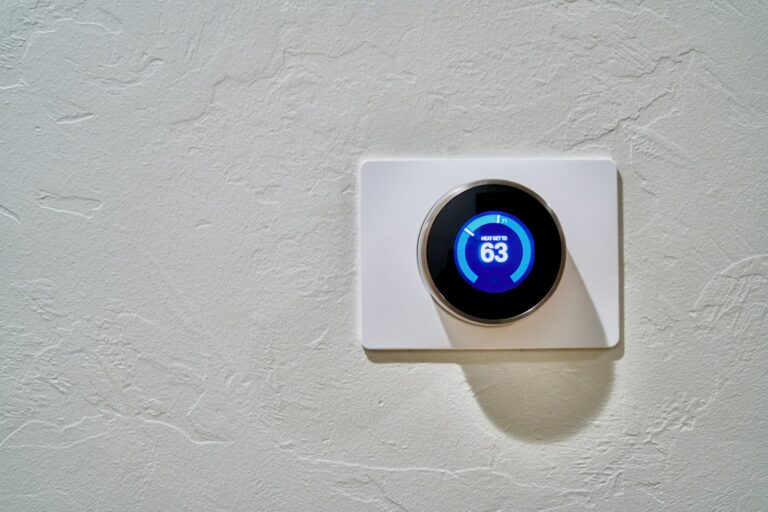 Air ConditioningWhat Should You Set Your Thermostat to When You’re Away?In summer, raise the thermostat a few degrees instead of turning the AC off, generally no higher than the mid 80s, so the house…
 Air ConditioningHow Cold Should the Air From Your AC Vents Be?Air from your supply vents is usually about 15 to 20°F cooler than the air going into the return, a difference called the temperature…
 Air ConditioningWhy Is One Room Hotter Than the Rest of the House?One room runs hotter when it gains more heat than its air supply can carry away. Usual causes: afternoon sun on west or south…