Skip to content

I Just Bought a Home

Get to know the system you inherited: what the parts are, how old it is, what it needs each year and how to read its label.

A black and gold Gold Eagle Services HVAC van is parked beside a sunny residential street lined with trees and homes.

Start With the System You Inherited

Somewhere in your attic, a closet or the garage sits a heating and cooling system you didn’t choose and may know nothing about. Start with what the parts are, how old the system is and what yearly care looks like. You don’t need to become an expert. You need enough to ask good questions.
Also on this page: how to read your system’s label to find its age, size and refrigerant.

Understand Your System

Three short explainers: your label, your summer bill, and how an AC moves heat.

Read your system’s label

Every outdoor unit and indoor unit has a label called a nameplate. You can learn a lot from it without touching anything inside.

  • Size: many brands put the cooling capacity in the model number as 24, 30, 36, 42, 48 or 60. That’s thousands of BTUs per hour. Divide by 12 for tons, so 36 usually means 3 tons. Formats vary, so treat it as a clue.
  • Age: the manufacture date is usually coded in the serial number, and each brand codes it differently.
  • Refrigerant: R-22 means older equipment (new R-22 systems stopped being made in 2010). R-410A was the standard for years. Newer systems use R-454B or R-32.
  • Safety: look, don’t open. Panels and refrigerant lines are for licensed technicians.

Why summer bills jump

Air conditioning is the biggest reason Texas electric bills climb in summer. A few things drive most of it:

  • The attic. Summer attics get far hotter than outdoors, and ducts running through them pick up that heat.
  • Leaks. Cooled air lost into the attic or walls is air you paid to cool.
  • Big thermostat swings. Steady, moderate settings usually cost less.
  • Humidity. Your system spends energy removing moisture, not just heat.
  • Condition. Dirty coils and low airflow cut efficiency.

How an AC actually cools

An air conditioner doesn’t make cold. It moves heat. Refrigerant picks up heat from your indoor air at the indoor coil, carries it outside and releases it at the outdoor unit. Along the way, moisture in your air condenses on the cold coil and drains away.

That’s why airflow, a clean coil, the right amount of refrigerant and a clear drain line all matter.

Keep reading: HVAC System Parts Explained, Where Your Home Actually Leaks Air, What R-Value Attic Insulation Do You Need? and What Temperature Should the AC Be Set At in Summer?

Your Central Texas HVAC Calendar

Central Texas runs on a rhythm: long hot summers, short mild winters with a few hard freezes, and pollen seasons in between. Here’s what to look at and when. Everything below is safe for a homeowner. Anything that means opening a panel or touching refrigerant or electrical parts is a job for a licensed technician.

Winter

December to February

  • Check your air filter monthly during cedar season. Pollen loads it fast.
  • Test your carbon monoxide alarms if you have any gas appliances.
  • Learn the difference between aux heat and emergency heat before the first freeze.
  • Keep ice and debris off the outdoor heat pump. Don’t wrap it in a tarp.

Spring

March to May

  • Run cooling on a mild day and make sure it runs and drains normally before the first hot week.
  • Clear about two feet of space around the outdoor unit.
  • Find your condensate drain line and safety switch so you know where to look if water shows up.

Summer

June to September

  • Pick a steady thermostat setting and leave it. Big swings make the system work harder in our heat.
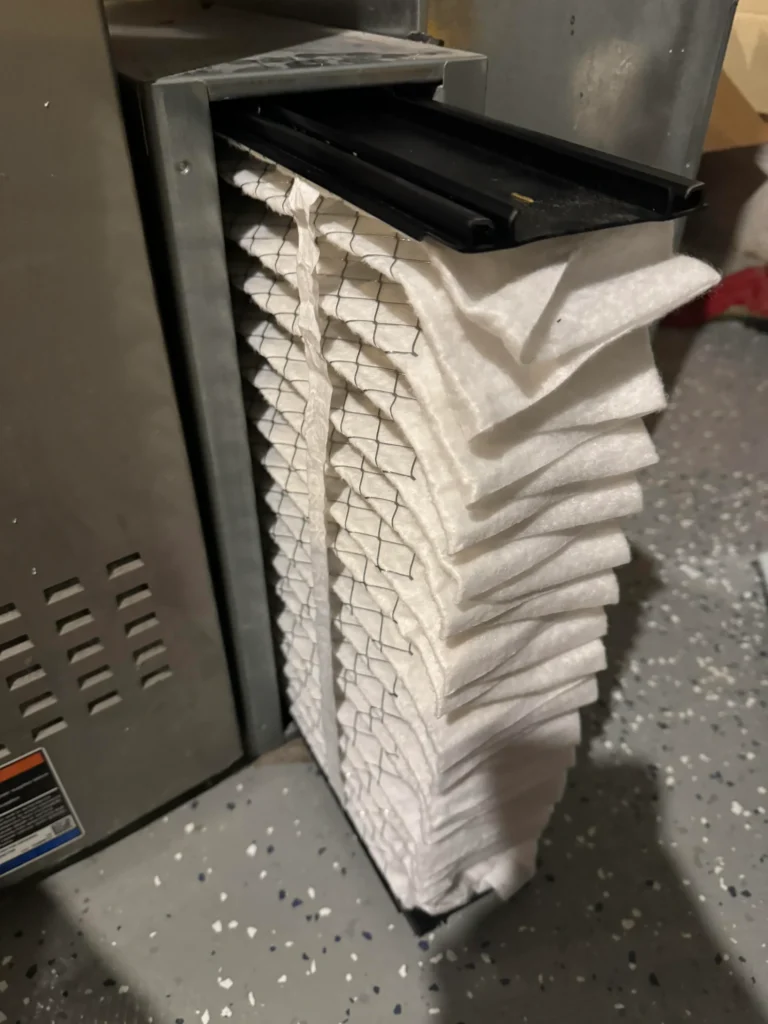
  • Check the filter every month and replace it when it looks gray or clogged.
  • Watch for ice on the lines, water near the indoor unit, or the system running nonstop at night.
  • Keep interior doors open, or make sure closed rooms have a path for air to return.

Fall

October to November

  • Run the heat once before the first cold night. A brief dusty smell on the first run is normal.
  • Replace thermostat batteries if yours uses them.
  • Look at attic insulation and duct connections if you can reach them safely.

Want a technician to look over what you inherited? Gold Eagle services and repairs heating and cooling across the Austin area: schedule online.

Words You’ll Hear From a Technician

How efficiently an air conditioner cools over a season. Higher usually means a lower cost to run.

Other Situations

Back to Homeowner Guides

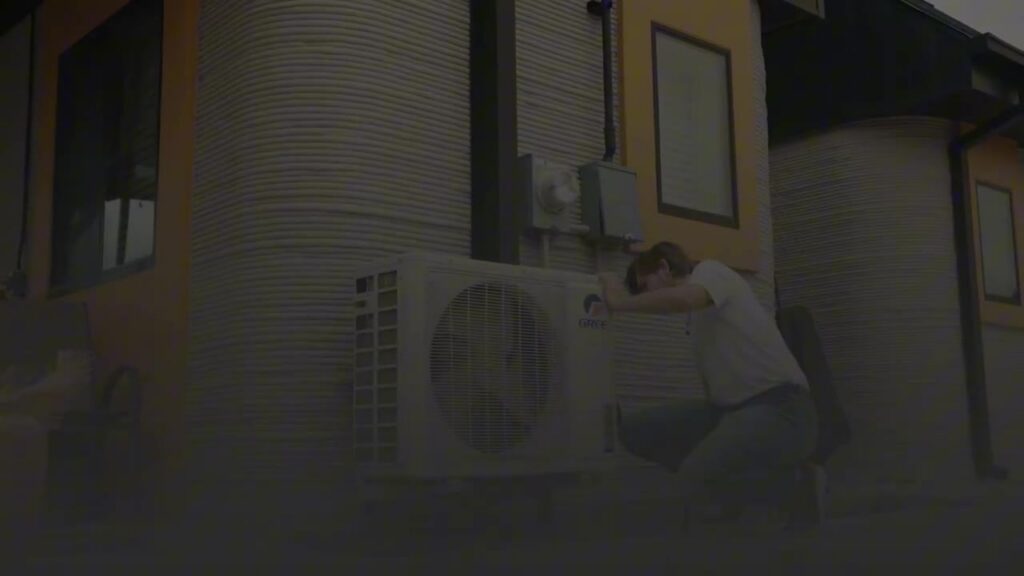
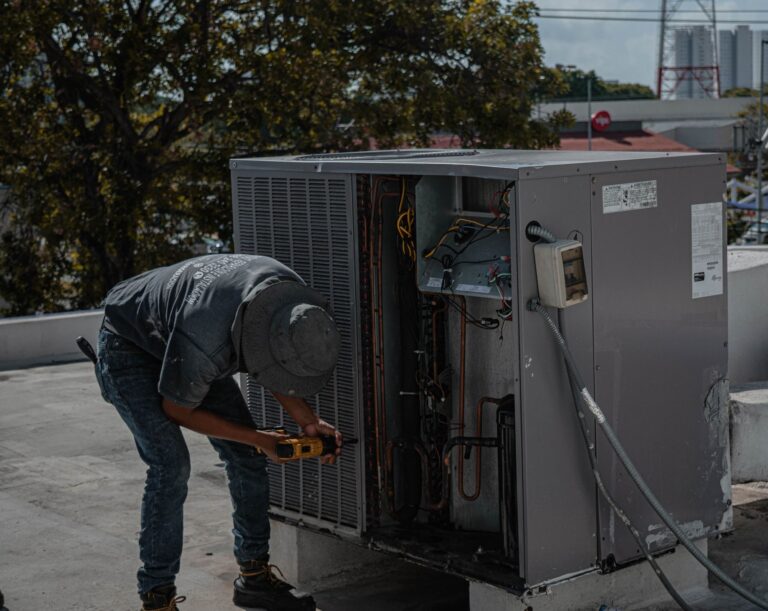
Gold Eagle Services technician servicing an outdoor heat pump at an Austin home

Go Deeper: The Resource Center

Once you know your own system, the Resource Center goes deeper: more than 100 guides in 15 categories, from air conditioning and heating to humidity, insulation, ventilation and building science.

Browse the Resource Center
Same-day service
BookTextCall 512-489-4653Call