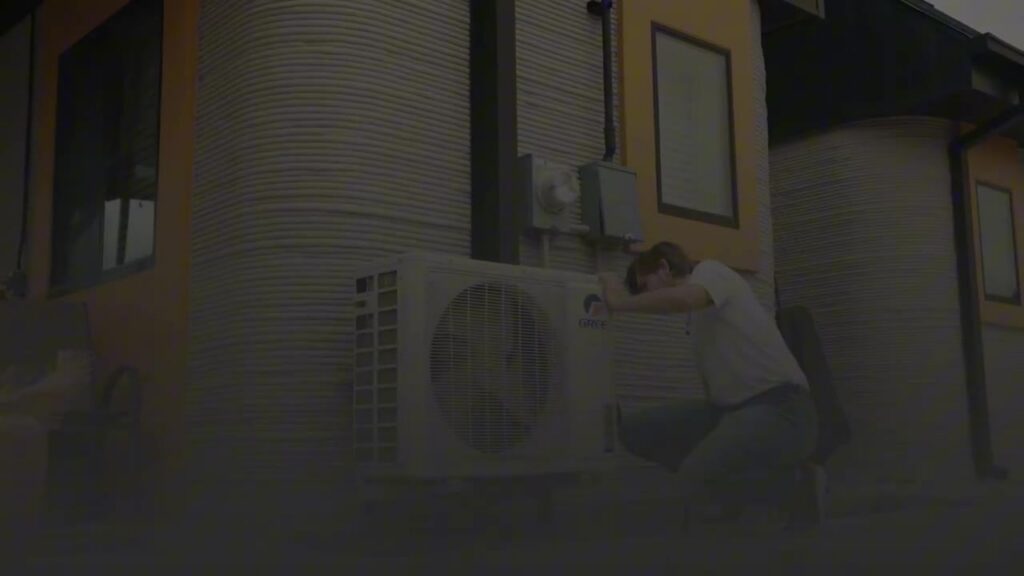

Why Is My House So Humid? Start Here
In Central Texas, moisture drives more comfort complaints than almost anything else. Your AC pulls water out of the air as well as heat, but only when sized for the job: an oversized unit short-cycles and shuts off before the moisture is out. Start with what relative humidity measures, then the warning signs.
 Humidity & Moisture ControlWhat Relative Humidity Really Means: The Bucket AnalogyRelative humidity is a ratio, not an amount: it compares the moisture in the air to the most the air could hold at its…
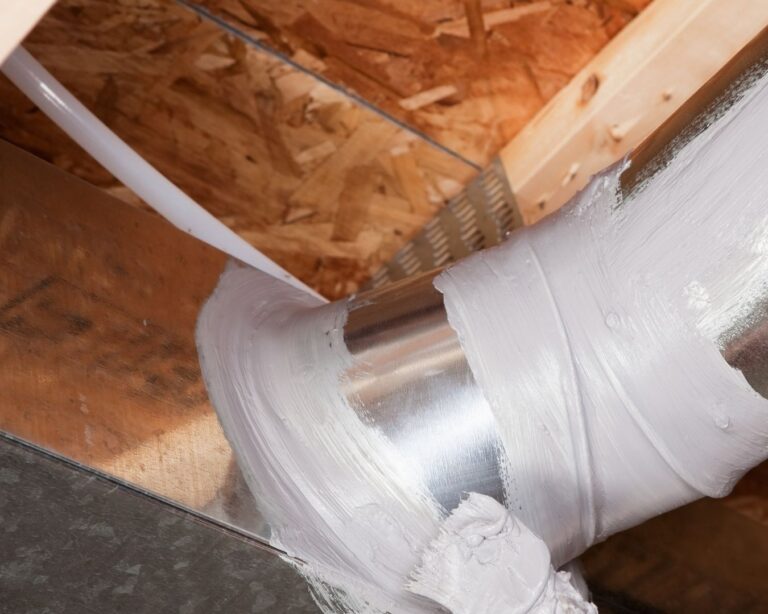 Humidity & Moisture ControlWhy Your Vents and Ducts Sweat: Dew Point and Condensation ExplainedVents and ducts sweat when a cold surface meets air whose dew point is above that surface's temperature. AC supply air leaves the coil…
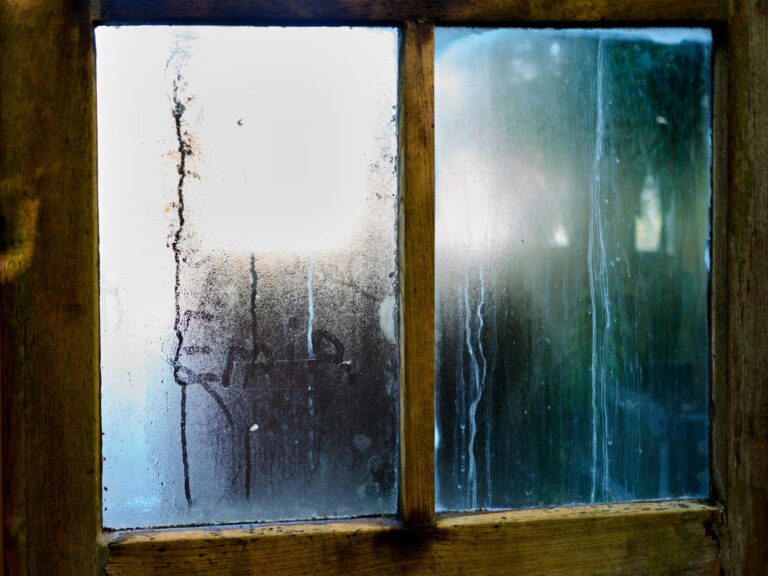 Humidity & Moisture ControlMoisture From Below: Slab and Pier-and-Beam Homes in Central TexasGround moisture reaches Austin homes two ways: as vapor moving up through concrete slabs, and as humid outdoor air flowing through vented crawlspaces under…
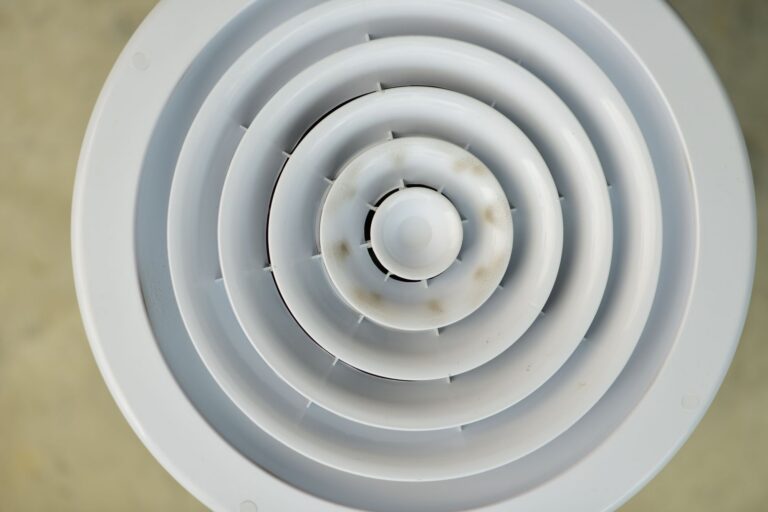 MoldWarning Signs of Mold in Your HVAC System (And What to Do About It)The main warning signs of mold in an HVAC system are a musty smell when it runs, visible growth on vents or around the…
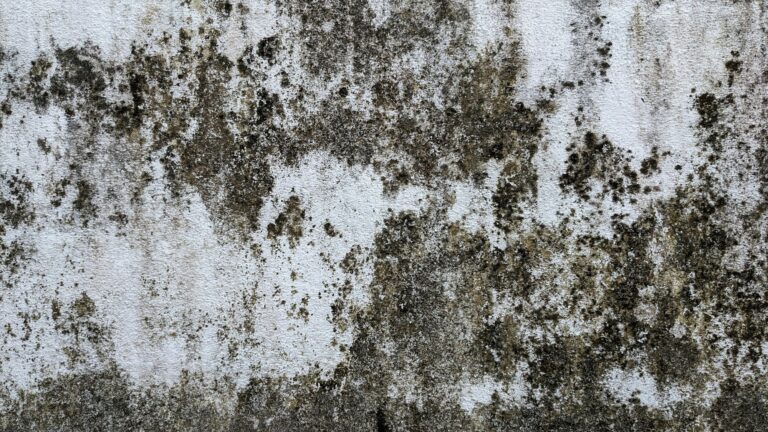 MoldWhy Your HVAC System Alone Can’t Stop Mold in Central TexasEven a top-tier HVAC system can't prevent mold alone, because moisture gets in from places the AC never touches: leaks, showers, cooking, laundry and…
 Case StudyZilkr on the Park Condo Case Study: Fixing High HumidityA 12-year-old 1.5-ton single-stage system in a 1,039 sq ft Zilkr on the Park condo let indoor humidity reach 65-72% even at 68°F. After…
The Zilkr on the Park condo case study above shows these ideas at work in a real Austin building. More: Balancing Indoor Humidity for Summer Comfort. Still damp with the AC running? Gold Eagle installs whole-home dehumidifiers; schedule online.