
Start With These Guides
Austin is hard on allergy sufferers: cedar in winter, oak and grass in spring, ragweed in fall, and dust year round. Most indoor air improvements start with basics you control, like the right filter, sealed ducts and steady humidity. These guides explain what each option does and what it can’t do.
 Ventilation & FiltrationWhy Are Allergies So Bad in Austin Right Now?Allergy season in Austin rarely takes a break: cedar peaks in winter, oak and grass in spring, ragweed in fall, and mold spores whenever…
 Ventilation & FiltrationCedar Fever: What Austin Residents Need to KnowCedar fever is the Austin name for the reaction many people have to mountain cedar (Ashe juniper) pollen, which usually peaks from December through…
 Indoor Air Quality (IAQ)How to Improve Indoor Air Quality with Your HVAC SystemYour HVAC system filters particles, removes moisture and moves air through the whole house. The biggest gains come from the right filter changed on…
 Ductwork & Air FlowLeaky Ducts: How They Pull Attic Air and Dust Into Your HomeThe return side of your duct system runs under suction, so leaks in return ducts, filter grilles or the air handler in the attic…
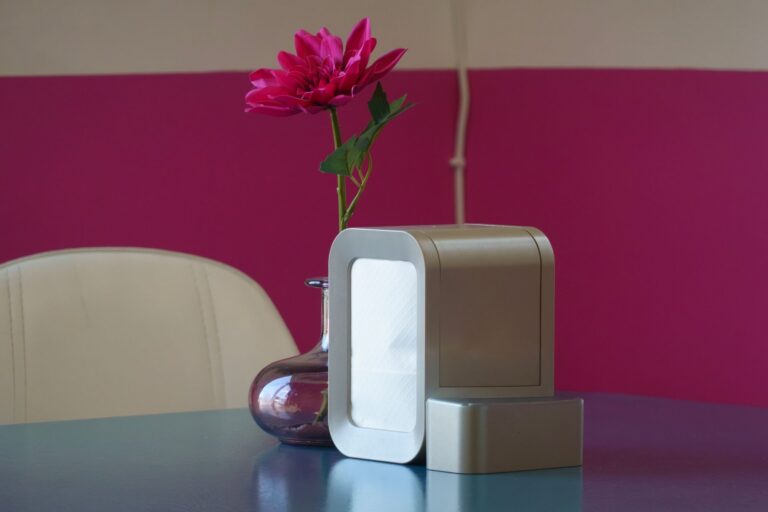 Indoor Air Quality (IAQ)Air Purification Systems: Choosing the Right One for Your HomePick an air purifier by the problem you want to solve: HEPA for dust, pollen and pet dander, activated carbon for odors and some…
- Health & SafetyAre Ozone Generators Safe for Indoor Air?No, ozone generators should not be run where people or pets are present. The EPA advises against using them as air cleaners in occupied…
Before you open the windows, check today’s outdoor air quality, pollen and weather on our Austin Air Quality Index.