
Start With These Guides
Austin only gets a few hard freezes a year, but they’re the nights your system matters most. Heat pumps behave differently in the cold than most people expect, and a few settings and habits make a real difference.
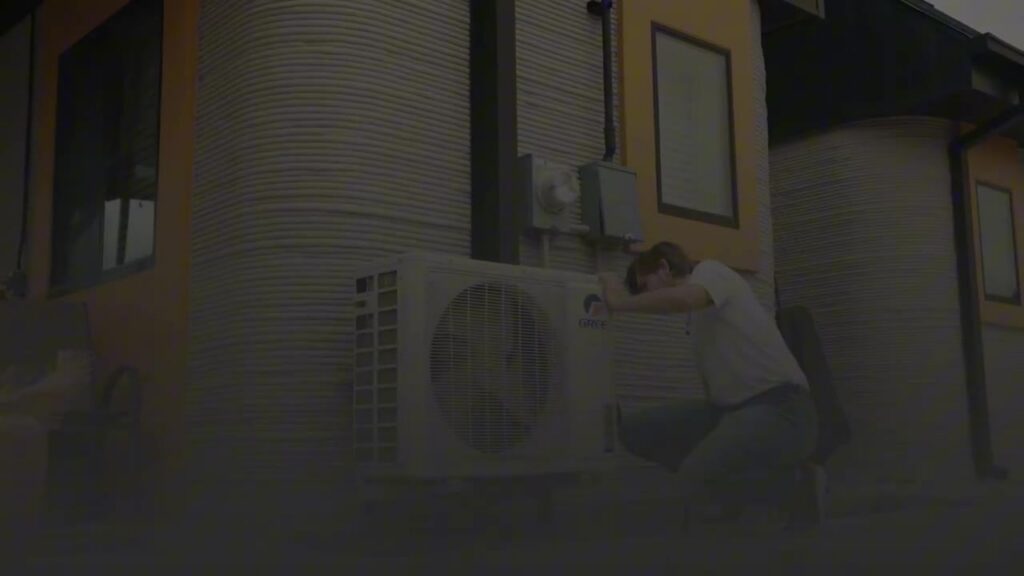
 HeatingCan a Heat Pump Keep Up With a Texas Freeze?Yes, with the right setup. A properly sized heat pump handles a typical Central Texas winter on its own and leans on built-in electric…
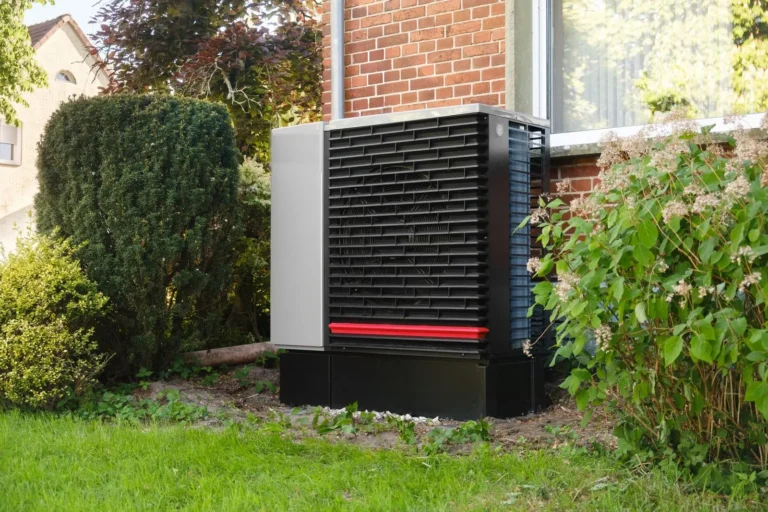
 HeatingAux Heat vs. Emergency Heat: What Your Heat Pump Thermostat Is Telling YouAux heat is backup heat, usually electric heat strips, that your thermostat turns on automatically when the heat pump needs help. Emergency heat is…
- HeatingWhy Is My Heat Pump Blowing Cold Air in Heat Mode?Often it's normal: heat pump air is warm but not furnace-hot, and a defrost cycle can blow cooler air for a few minutes. If…
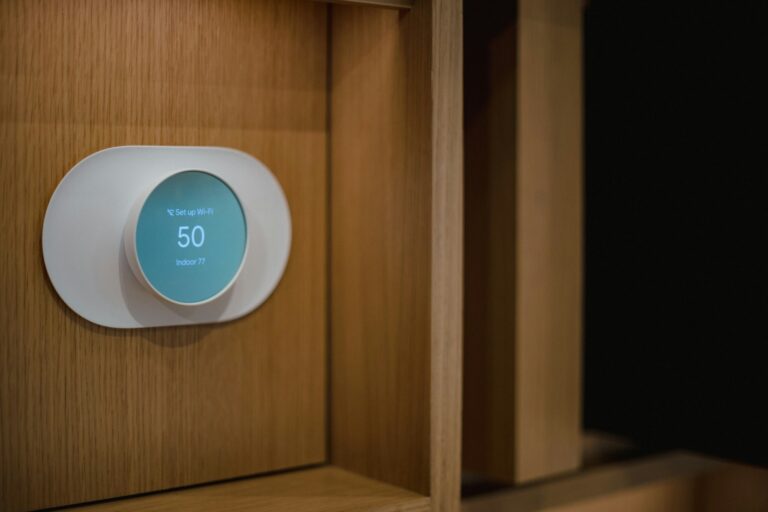 HeatingHeater Smells Like Burning? What’s Normal and When to CallA light, dusty burning smell the first few times you run the heat each fall is usually normal. A strong, electrical or hot-plastic smell…
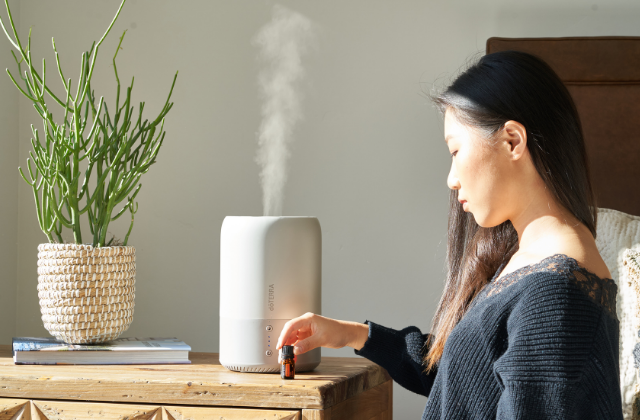 HeatingWhy Does Winter Air Feel So Dry Indoors? Causes and FixesWinter air feels dry because cold air holds very little moisture, and when it leaks in and gets heated its relative humidity drops further.…