
Start With These Guides
A new house comes with a heating and cooling system you didn’t choose and may know nothing about. Start with what the parts are, how old the system is and what yearly care looks like. You don’t need to become an expert. You just need enough to ask good questions.
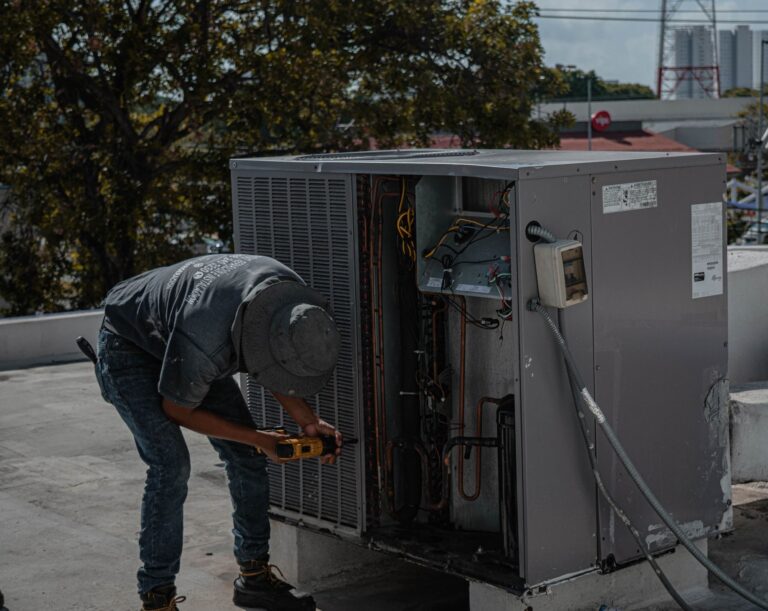 Air ConditioningHVAC System Parts Explained: What Each Component DoesA typical central HVAC system has a thermostat, a furnace or heat pump, an outdoor unit with a compressor and condenser coil, an indoor…
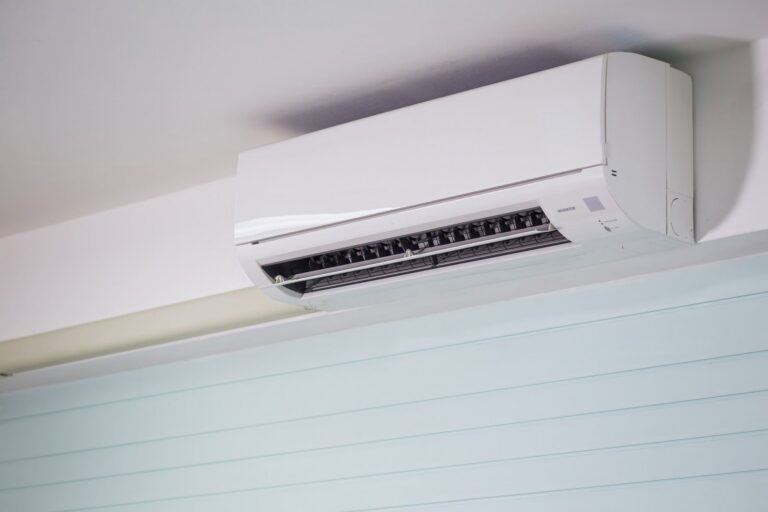 Air ConditioningThe Different Types of HVAC Systems ExplainedThe main types of home HVAC systems are central split systems, ductless mini-splits, heat pumps, dual-fuel hybrid systems and packaged units. Each comes in…
 Air ConditioningHow Long Does an AC Last in Central Texas?Most central air conditioners and heat pumps in Central Texas last about 10 to 15 years, and well-installed, well-maintained systems sometimes go longer. Long…
 Ductwork & Air FlowHow Your Home’s Duct System Works: A Central Texas GuideA home duct system is made up of supply and return plenums, the ducts themselves, and the boots, registers and grilles that connect to…
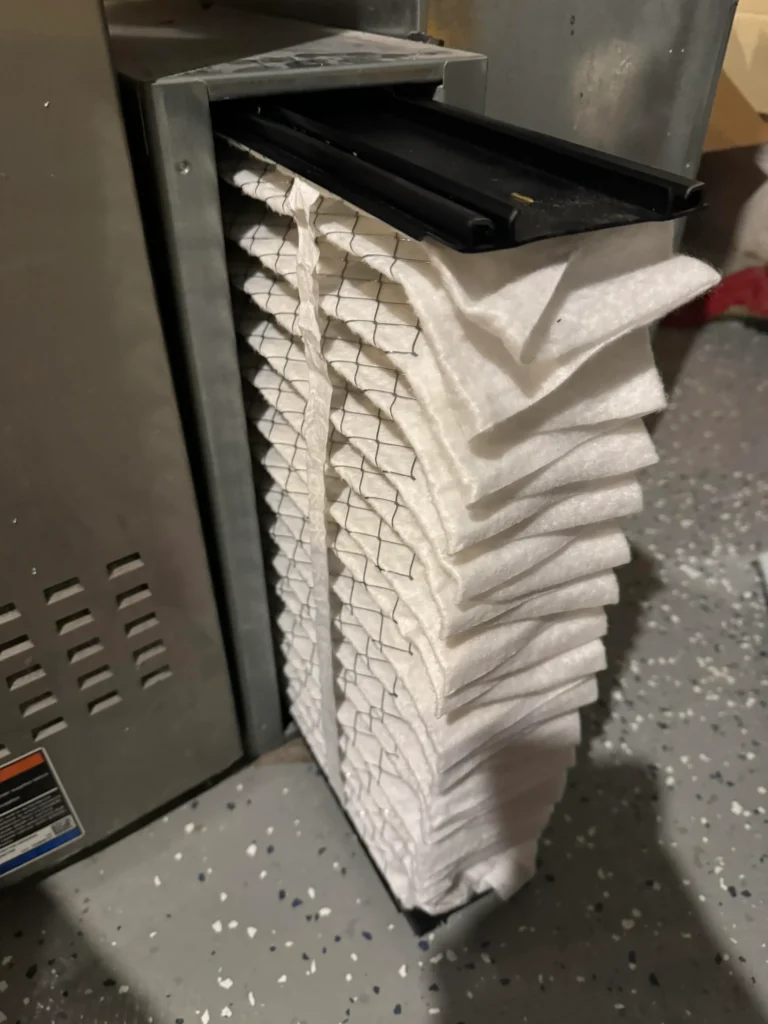 Indoor Air Quality (IAQ)What Are MERV Ratings, and How Do They Affect IAQ?MERV (Minimum Efficiency Reporting Value) rates how well an HVAC filter captures airborne particles, on a scale of 1 to 16. Higher isn't automatically…
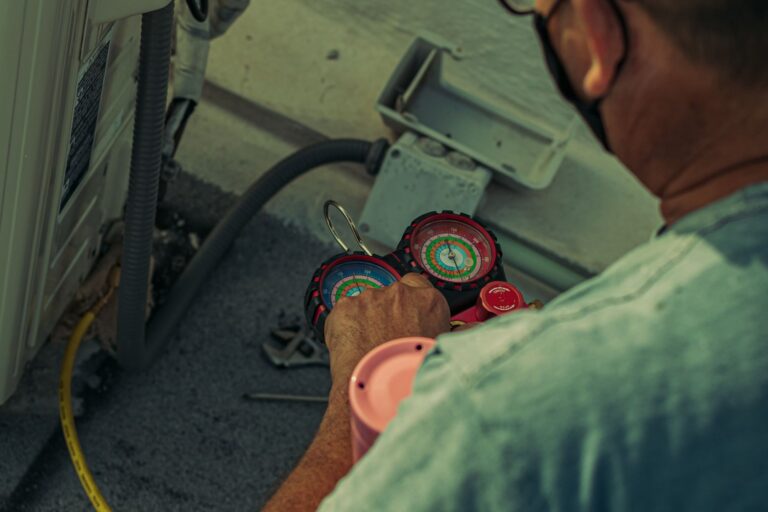 MaintenanceWhat’s Included in an HVAC Tune-Up?An HVAC tune-up is a professional inspection, cleaning and adjustment of your heating and cooling system: filter, coils, condensate drain, electrical parts, refrigerant charge,…
Also on this page: how to read your system’s label to find its age, size and refrigerant.