
Skip to content

Mold in Rental Properties & Short-Term Rentals: Austin Landlord Guide

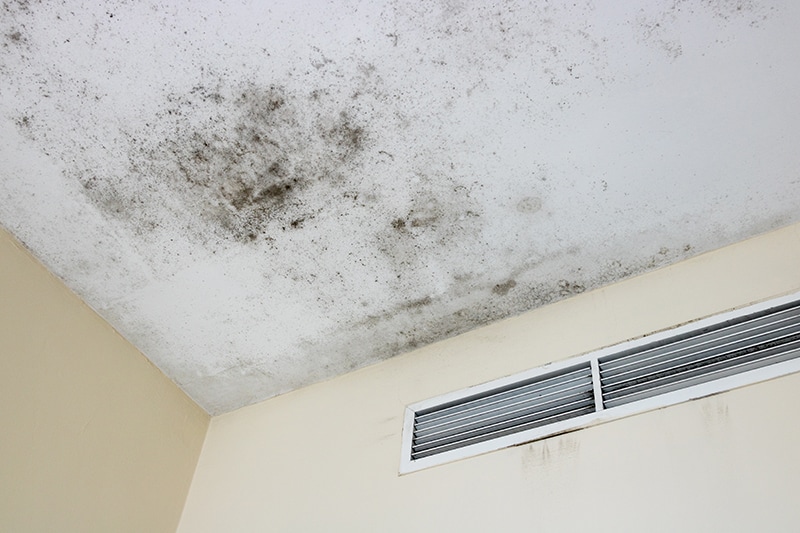
A tenant reports a musty smell, a guest review mentions black spots on the vents, or a turnover walk-through finds mold around the air handler. Here's how Austin landlords and short-term rental owners should respond, how we handle mold inside the HVAC system of an occupied or rotating property, and how to keep it from coming back.

Dark spots spread across a pale ceiling beside a beige wall, above a long rectangular air vent with horizontal slats.

Why Do Rentals Get Mold in the HVAC System?

A rental lives through the same Central Texas summer as any house, with the air handler sweating in a hot attic. Tenants and turnovers add their own habits:

  • Filters that miss their change date between tenants
  • Thermostats switched off or set high while the unit sits empty between guests
  • Condensate drains left off the routine maintenance list
  • Tenants who live with a small drip or a musty smell instead of reporting it
  • Full houses adding moisture from cooking, showers and laundry
What Should a Landlord Do When a Tenant Reports Mold?

  1. Answer promptly and in writing, and document the report, with photos if you can get them
  2. Have the HVAC system checked: filter, drain, coil, air handler and ducts
  3. Find the moisture source: a leak, a drain problem or humidity the AC isn’t pulling out
  4. If mold is suspected, have an independent, licensed mold assessor evaluate the unit and write a protocol, the plan the remediation has to follow
  5. Hire licensed remediators: Gold Eagle for mold inside the HVAC system, a general mold remediation company for mold in walls, ceilings or furniture. Keep records of everything done

Texas landlords have repair duties under state law, and leases and local rules add more. For notice requirements, tenant rights or what you owe, ask a real estate attorney or your property manager. We can explain the HVAC work; we can’t give legal advice.

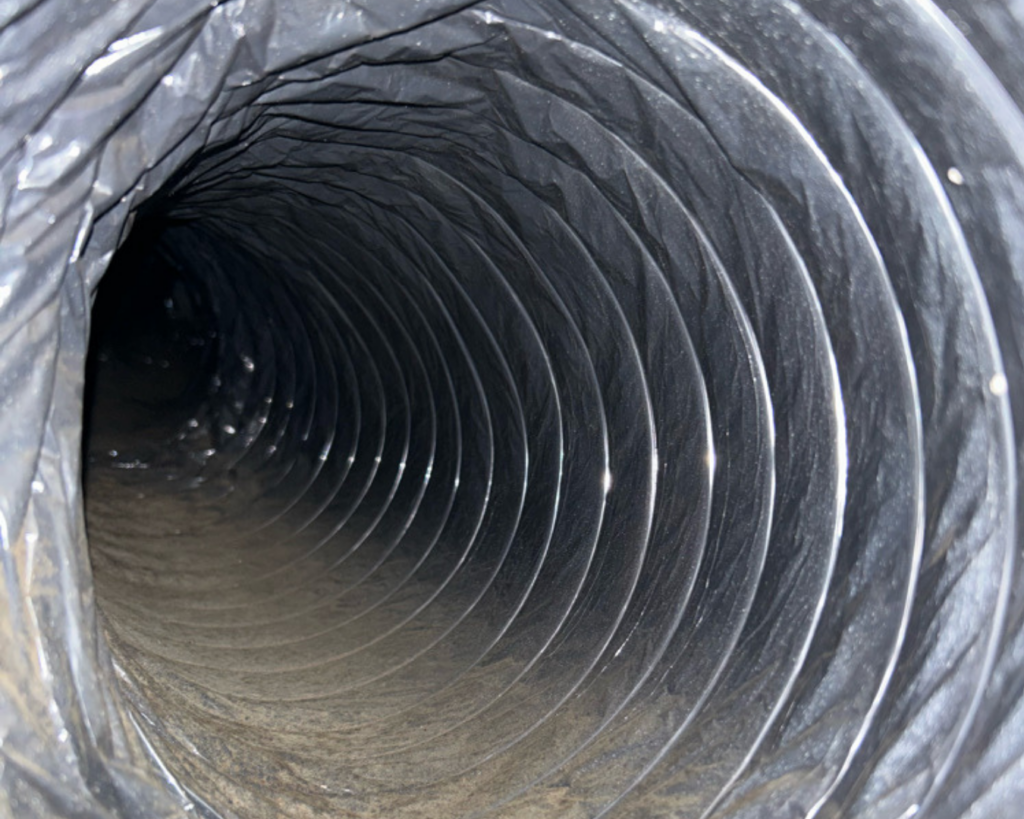
A close view inside a dark, ribbed HVAC duct shows dust and light-colored residue along the lower surface and inner folds.

How We Handle Mold in a Rental's HVAC System

Most mold complaints in rentals trace back to the HVAC system or to humidity. Gold Eagle is a licensed Texas mold remediation company that handles HVAC mold (licenses TACLA119235 and RCO1783): the coil and air handler, the drain pan, the ducts and the moisture problem that fed them, following the independent assessor’s protocol. If mold has spread into drywall, ceilings or furniture, that part goes to a general mold remediation company, and we coordinate with them.

  • Scheduling around tenants, guests and turnover dates
  • A written scope and records of the HVAC work for your files
  • Moisture fixes: drains, duct sealing, sizing and dehumidification
  • Coordination with independent assessors and any general mold remediation company on the job, or referrals if you need them

Turnover dates drive everything in a rental, so give us your move-out and move-in dates up front. We build the timeline around them, including time for the assessor’s clearance, so nobody moves in before the work has passed. Call 512-489-4653 with those dates and what the tenant or guest reported.

Call 512-489-4653

How Can Short-Term Rental Hosts Catch HVAC Mold Before Guests Do?

In a short-term rental, a musty smell or spotted vents can land in a guest review before you hear about it any other way. Add three HVAC checks to every turnover: look at the registers, smell the air when the AC first kicks on, and make sure the drain line is flowing. Between bookings, leave the AC running at a moderate setting instead of off. A shut-up Austin house gets humid fast.

How Do Landlords Keep HVAC Mold From Coming Back?

  • Change filters on a set schedule; longer-life filters suit rentals
  • Book yearly HVAC maintenance that includes flushing the condensate drain
  • Put a float switch on attic air handlers, so a clogged drain shuts the system off instead of soaking the ceiling below
  • Hold vacant units at a moderate temperature, with humidity below 60%
  • Add a whole-home dehumidifier to units that stay humid
  • Ask tenants to report leaks, drips and musty smells the day they notice them

Related HVAC Restoration Services

More on mold in the HVAC system:

Landlord Questions About HVAC Mold

Answer promptly, write down the report and have the HVAC system checked: filter, drain, coil and ducts. If mold is suspected, an independent, licensed mold assessor can evaluate the unit.

Learn More From Our Resource Center

Two guides worth reading before your next turnover: how to keep mold out of the HVAC system, and how long a dry fog treatment lasts.

See every guide in the Gold Eagle Resource Center

Mold in a Rental’s AC or Ducts? Call Gold Eagle.

Call 512-489-4653

Tell Us About the Rental

Send the address, what the tenant or guest reported and your next turnover date, and our team will get back to you.

Contact Us
This field is for validation purposes and should be left unchanged.
Name(Required)
Same-day service
BookTextCall 512-489-4653Call