
Skip to content

Mold in Rental Properties & Short-Term Rentals: Austin Landlord Guide

A tenant reports a musty smell, a guest review mentions black spots on the vents, or a turnover reveals mold around the air handler. For Austin landlords and short-term rental owners, here's how to respond, how the HVAC side of a mold project works in an occupied or rotating property, and how to keep it from coming back.

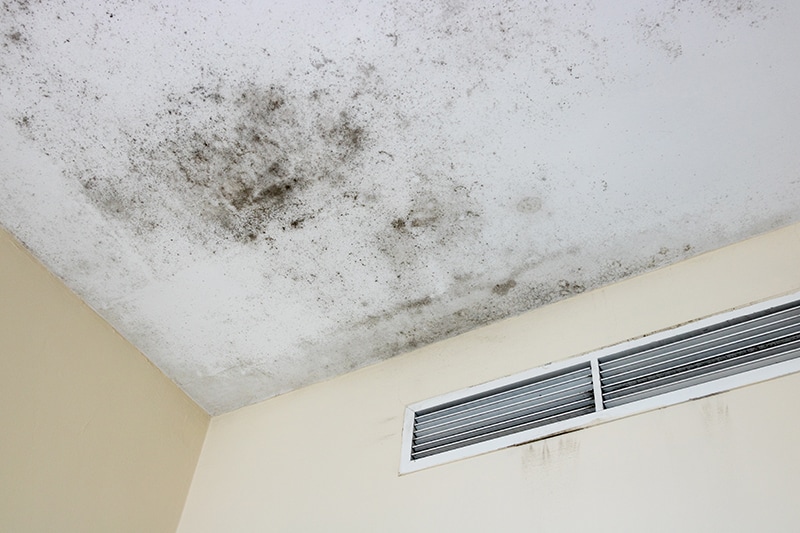
Dark spots spread across a pale ceiling beside a beige wall, above a long rectangular air vent with horizontal slats.

Why Rentals Are Prone to HVAC Mold

Rental and short-term rental properties face the same Central Texas conditions as any home, humid summers and attic air handlers, plus a few extras:

  • Filters that don’t get changed on schedule between tenants
  • Thermostats turned off or set very high when units sit empty between guests
  • Condensate drains that aren’t flushed as part of routine maintenance
  • Tenants who don’t report small leaks or smells right away
  • Heavy occupancy that adds moisture from cooking, showers and laundry

How to Respond When a Tenant or Guest Reports Mold

  1. Respond promptly and in writing, and document what was reported, with photos if possible
  2. Have the HVAC system checked: filter, drain, coil, air handler and ducts
  3. Look for the moisture source: leaks, drain problems or high humidity
  4. If mold is suspected, have an independent, licensed mold assessor evaluate the unit and write a protocol
  5. Have a licensed mold remediation contractor handle the remediation, bring in an HVAC contractor that understands mold for the system, and keep records of everything that was done

Texas landlords have repair duties under state law, and leases and local rules add more. For questions about your obligations, notice requirements or tenant rights, talk with a real estate attorney or your property manager. We can explain the work; we can’t give legal advice.

A close view inside a dark, ribbed HVAC duct shows dust and light-colored residue along the lower surface and inner folds.

HVAC Restoration for Rental Properties

Most mold complaints in rentals trace back to the HVAC system or humidity. As an HVAC contractor that understands mold (licensed TACLA119235 and RCO1783), we handle the coil and air handler, ducts and the moisture fix, following the independent assessor’s protocol and working alongside the licensed mold remediation contractor who leads the project.

  • Scheduling around tenants, guests and turnover dates
  • Written scope and documentation of the HVAC work for your records
  • Moisture fixes: drains, duct sealing, sizing and dehumidification
  • Coordination with independent assessors and your remediation contractor, or referrals if you need them

Because turnover dates drive everything in a rental, tell us your move-out and move-in dates up front. We’ll build the timeline around them, including time for the independent assessor’s clearance, so the unit isn’t re-occupied before the work has passed.

Call 512-489-4653

Short-Term Rentals: Protecting Reviews and Bookings

For short-term rentals, a musty smell or visible spots on vents can show up in reviews quickly. Build HVAC checks into your turnover routine: look at registers, sniff for musty odors when the AC starts, and check that the drain line is flowing. Between bookings, keep the AC running at a moderate setting instead of turning it off; empty homes in Austin can reach high humidity fast.

Prevention Checklist for Landlords

  • Change filters on a set schedule, and consider longer-life filters for rentals
  • Schedule annual HVAC maintenance that includes flushing the condensate drain
  • Install a float switch on attic air handlers so a clogged drain shuts the system off instead of flooding the ceiling
  • Keep vacant units at a moderate temperature with humidity below 60%
  • Consider a whole-home dehumidifier in units that stay humid
  • Ask tenants to report leaks, drips and musty smells right away

Related HVAC Restoration Services

Related pages:

Frequently Asked Questions

Respond promptly, document the report and have the HVAC system checked, including the filter, drain, coil and ducts. If mold is suspected, an independent, licensed mold assessor can evaluate the unit.

Learn More From Our Resource Center

Want to understand your options before you call? Our homeowner guides on mold in rental properties are written by our team for Central Texas homes.

Browse all homeowner guides in the Gold Eagle Resource Center

Mold Concerns at Your Rental? Call Gold Eagle.

Call 512-489-4653

Questions About Mold in Your HVAC? Let's Talk.

Tell us what you need, and our team will get back to you as soon as possible. No pressure, no obligation. Just honest advice and fast service.

Contact Us
This field is for validation purposes and should be left unchanged.
Name(Required)
Same-day service
BookTextCall 512-489-4653Call