
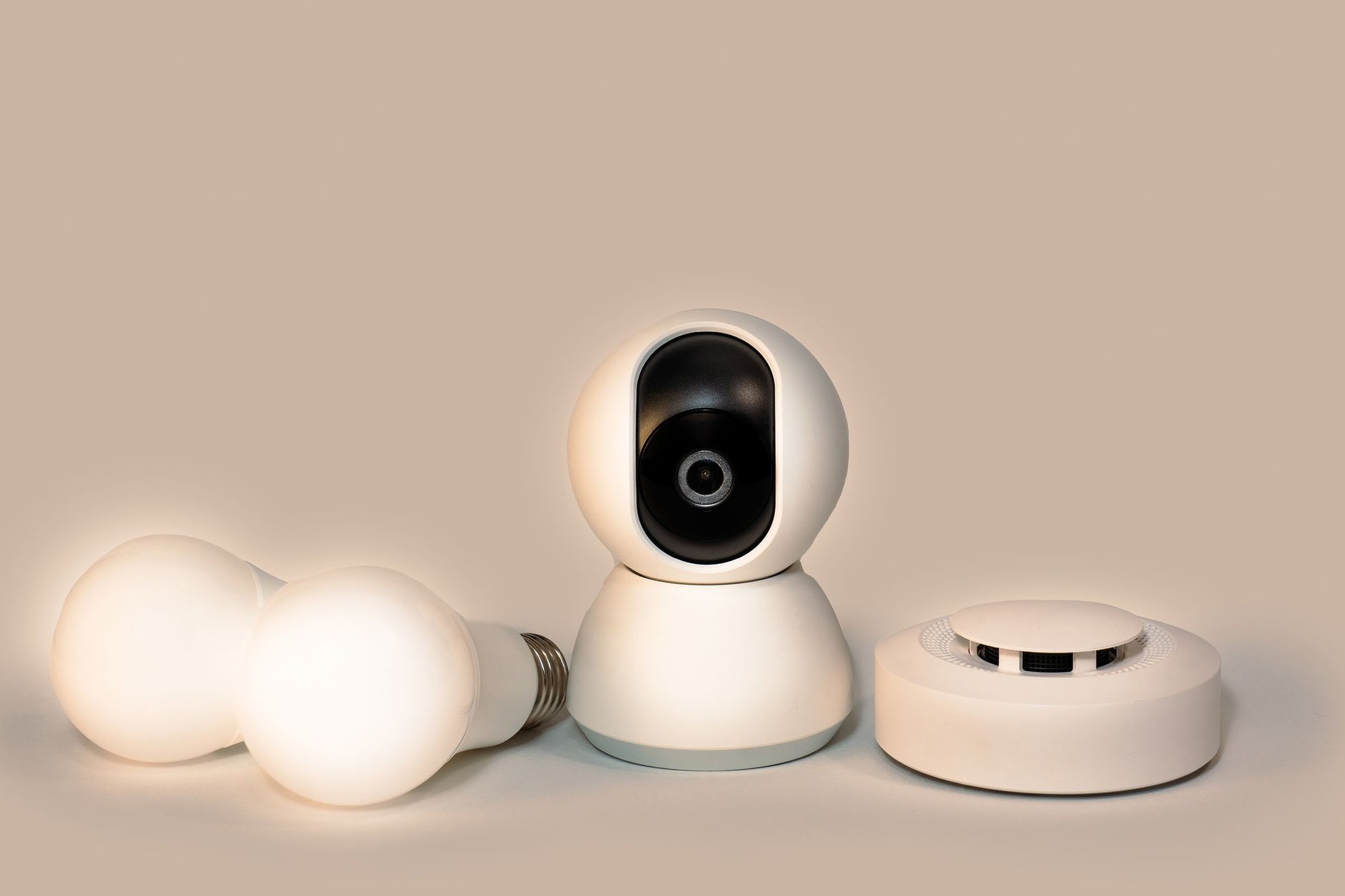
Quick answer: Carbon monoxide (CO) is an odorless, colorless gas made whenever fuel burns. In Austin homes, common sources are gas furnaces, water heaters, fireplaces, attached garages and generators. The NFPA says to put CO alarms outside each sleeping area and on every level, test them monthly, and get to fresh air if one sounds.
If a CO alarm is sounding right now, get everyone outside first, then read the steps below. Central Texans rarely think about heating until a February freeze drops the power and the whole street runs furnaces, fireplaces and generators at once. That’s when CO becomes a Texas problem.
Where does carbon monoxide come from in a Texas home?
Anything that burns fuel can make CO. The EPA’s list of household sources includes leaking chimneys and furnaces, furnaces whose exhaust flows back into the house, gas water heaters, gas stoves, fireplaces, generators and other gas-powered equipment, and car exhaust from attached garages. An all-electric home with no attached garage has very few sources. Most Austin-area homes have at least one.
Can a gas furnace in the attic leak carbon monoxide?
Yes, if its exhaust path breaks. Around Austin, a gas furnace usually lives in the attic, sometimes in a hall closet or the garage. It burns gas inside a sealed heat exchanger (the metal chamber that passes the flame’s heat to the air), and a flue (exhaust pipe) carries the fumes up through the roof. Trouble starts where that path breaks: a vent pipe separated at a joint, a rusted connector, a cracked heat exchanger.
Because the furnace sits where nobody goes, those faults can hide for years. The EPA recommends a trained professional inspect, clean and tune the central heating system, including furnaces, flues and chimneys, every year.
Can a gas water heater or fireplace cause CO?
Yes. Many Central Texas homes keep a gas water heater in the garage or a closet. Its flue relies on hot exhaust rising on its own, and a strong exhaust fan in a tight house can sometimes pull that exhaust backward into the room. For a gas fireplace or gas logs, the EPA’s advice is simple: make sure the flue is open when you use it.
Is it safe to warm up a car in the garage?
No. The CDC and EPA agree: never run a car in an attached garage, even with the door open. If you warm up a car, the NFPA says to back it out of the garage right after starting it.
Where is it safe to run a generator in a power outage?
Outside, well away from the house. This is the big one for our area. In its report on the February 2021 winter storm, the Texas Department of State Health Services counted 19 deaths from carbon monoxide. DSHS traced them to generators, grills and heaters used the wrong way, vehicles running in enclosed spaces, and ice blocking the vents on gas heating equipment.
The CDC says to run generators only outside, more than 20 feet from any windows, doors and vents. That rules out the garage, a porch beside an open window, and a carport against the house.
The NFPA adds two more rules: use gas and charcoal grills only outside, and never heat your home with the oven.
Can your air conditioner make carbon monoxide?
No. An electric AC or heat pump burns nothing, so it can’t make CO. What it can do is move CO that comes from somewhere else.
If a furnace or water heater shares a closet or attic with leaky return ductwork, the blower (the AC’s indoor fan) can suck exhaust gases into the ducts and spread them through the house. That’s one more reason a heating tune-up should cover both the flue and the return side of the system.
Where should I put carbon monoxide detectors?
The NFPA recommends CO alarms in a central spot outside each sleeping area, on every level of the home, and anywhere else local codes require. For the best protection, it suggests interconnected alarms, which are linked so when one sounds, they all sound.
A few practical tips:
- Follow the manufacturer’s instructions for placement and mounting height. They vary by model, and many call for keeping a set distance from fuel-burning appliances.
- Choose an alarm listed by a qualified testing laboratory, as the NFPA advises.
- Put an alarm near the bedrooms even in a single-story house with the furnace in the attic. A sleeping household can’t notice CO; only an alarm can wake them.
- Don’t count on a kitchen or garage alarm to cover the bedrooms.
For a deeper walk-through, see our guide on where CO detectors go in a home with a gas furnace.
How often should I test and replace a CO detector?
Test them at least once a month, the NFPA says, and replace them on the manufacturer’s schedule. The CDC suggests checking or replacing batteries when you change your clocks in spring and fall.
CO alarms wear out. The sensor has a limited life, and many units announce the end with an end-of-life chirp that sounds different from a low battery. If the trouble signal keeps sounding after a fresh battery, the NFPA says to call the fire department. Not sure what your alarm is saying? Our guide to why a CO alarm beeps or chirps decodes the common patterns.
What are the signs of carbon monoxide in a house?
You can’t see, smell or taste CO, and someone who is asleep may never notice it at all. That’s why the alarm matters more than your ability to notice. If anyone feels unwell and you suspect CO, get everyone to fresh air and call 911.
A few clues around the house can also point to a combustion problem:
- Several people, or pets, feeling unwell at home and better once they leave.
- A furnace or water heater flame that burns yellow and lazy instead of crisp and blue.
- Soot or scorch marks around a furnace, water heater or fireplace opening.
- A vent pipe in the attic or garage that’s loose, rusted or disconnected.
None of these proves CO on its own. Each is a reason to call a technician, and any health worry is a question for a doctor. Don’t take apart or adjust gas equipment yourself.
What do I do if my carbon monoxide alarm goes off?
Get out first; investigate later. The NFPA’s steps:
- Move to fresh air immediately, outdoors or at an open window or door.
- Account for everyone in the home, including pets if you can do it safely.
- Call for help from the fresh air, and call 911 if anyone feels sick.
- Stay out until emergency personnel say it’s safe to go back in.
Don’t stay inside to hunt for the source. Before you relight or restart a gas appliance, have a qualified technician or your gas utility check it.
How do I protect my home from carbon monoxide?
- CO alarms outside each sleeping area and on every level, tested monthly.
- A yearly inspection of the gas furnace, flue and water heater, ideally before the first cold snap.
- No cars, mowers or generators running in the garage.
- Generators outside, more than 20 feet from windows, doors and vents.
- After an ice storm, check the vent caps you can see from the ground, and call a technician instead of climbing an icy roof.
What should you do next?
- Test every CO alarm in the house today, and set a monthly reminder.
- Walk the hallway outside the bedrooms and make sure an alarm is there.
- Before the next freeze, pick a generator spot outside, more than 20 feet from windows, doors and vents.
- Book a heating tune-up so a technician can inspect the furnace and flue before the first cold snap.
CO is one of the few home hazards where a small device does most of the work, as long as it’s in the right place and working. If you have a gas furnace in the attic and it’s been more than a year, a Gold Eagle technician can inspect the furnace and flue during a heating tune-up.