
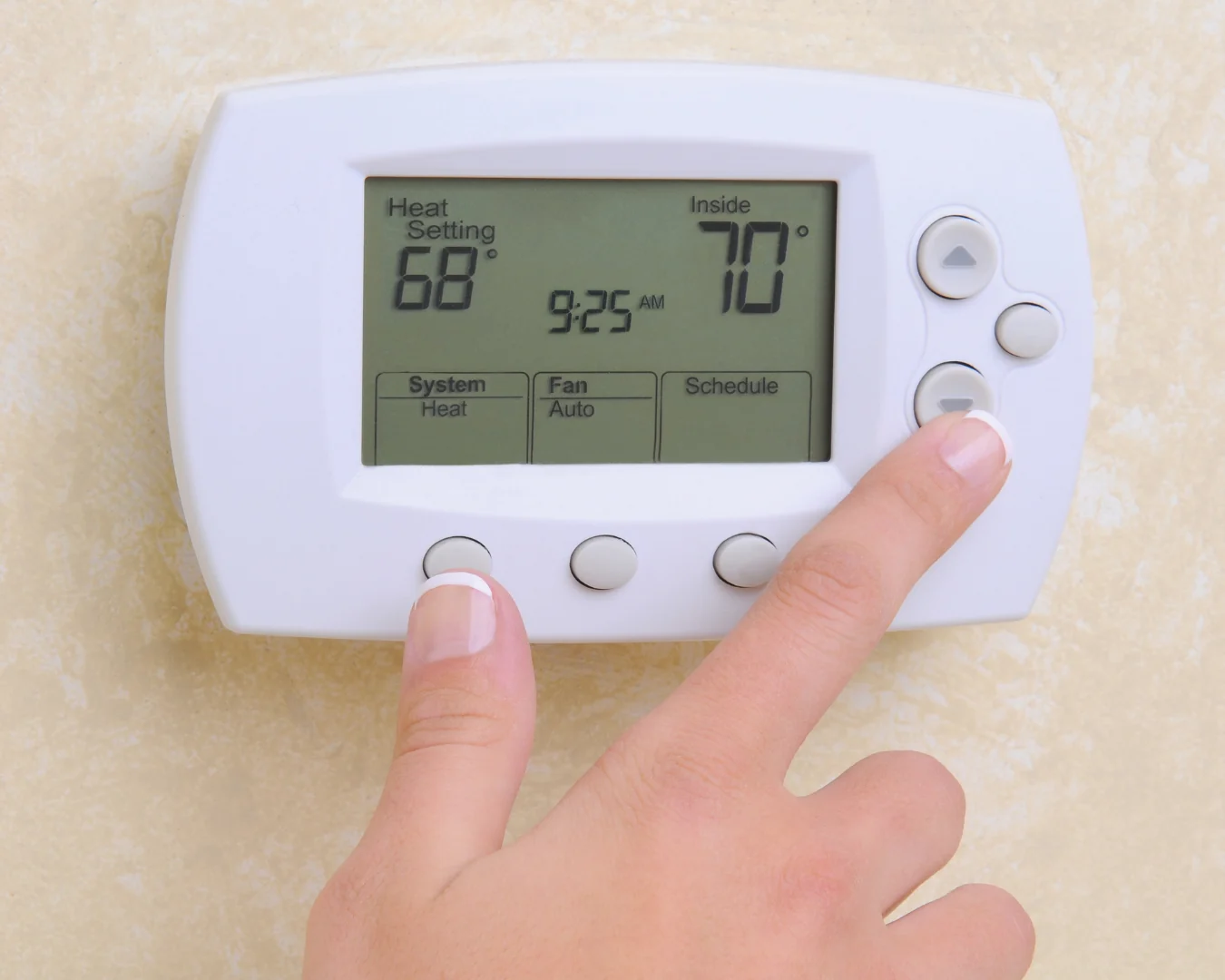
Quick answer: 79°F (26°C) is warm, not cold. Outdoors, 79°F is a pleasant, mild day by Austin standards. Indoors, 79°F is on the warm side but comfortable for most people in summer, especially with a ceiling fan running and humidity under control. The Department of Energy suggests 78°F when you are home, so 79°F is just one degree warmer and saves a little more on cooling. If 79°F feels sticky inside, high humidity is usually the reason, not the temperature.
Is 79 Degrees Hot or Cold?
| Where | Is 79°F hot or cold? |
|---|---|
| Outside | Warm and mild. Shorts weather for most people, and a cool day for an Austin summer. |
| Inside, daytime | Warm but comfortable for most people, within the 73 to 79°F summer comfort range ASHRAE describes. |
| Inside, while sleeping | Too warm for most people. Many sleep best a few degrees cooler, so set the thermostat lower at night or use a fan. |
| In Celsius | 79°F is about 26°C. |
Why You Might Want To Set The Temperature A Bit Higher Than Your Refrigerator
Thirty-seven degrees is a good cold temperature for your refrigerator. And when it’s really hot outside, you might be tempted to cool off by climbing into your fridge, but 37 is actually too cold, especially given what you’re wearing in the summer! Somewhere in the range of 73 to 79 degrees is a good indoor temperature in the summer (according to the American Society of Heating, Refrigerating and Air Conditioning Engineers). On the hottest days outside, you might want to move your thermostat toward the higher end of that range, because the hotter it is outside the more money it will cost you to cool your house. Each degree lower is costing you dollars (hard to define exactly how much as electricity rates vary greatly). For this reason, the U.S. Department of Energy recommends setting your thermostat to 78 degrees when you are home in the summer. It’s cool enough and will save you money.Raise The Temperature When You’re Not Home
The Department of Energy also recommends turning your thermostat up seven to ten degrees when no one is home. They estimate you can save as much as 10% on cooling costs by raising the temperature whenever you’re away from home for more than two hours. Some people mistakenly believe it’s better to leave the temperature where you want it so that the air conditioning doesn’t have to work so hard when you get home. It really is more energy efficient to raise the temperature when you’re not home, however, and then cool it off again when you get home.Upgrade To A Smart Thermostat
Instead of always trying to remember to turn the thermostat down to 76 when you’re home and up to 84 before you leave, a programmable or smart thermostat is a great investment. You can easily program it to start cooling the house down 30 minutes before you get home from work so it’s a comfortable temperature by the time you arrive. You can also program a temperature change for the night while you’re sleeping. And smart thermostats will also let you control the temperature using your phone so that you can easily adjust the programming if your schedule changes. Now, setting your thermostat at the right temperature for your house will work well as long as your air conditioning is working well. Be sure your air conditioning can keep your home comfortable by having it regularly serviced by a qualified HVAC technician.More Ways to Stay Cool and Save
- Go a little warmer at night. Your body temperature drops while you sleep, so with lighter bedding many people sleep fine a degree or two warmer, or use a ceiling fan instead of a lower setting.
- Seal the leaks. Weatherstripping and caulk around doors and windows keep cooled air inside, especially in older homes. A home energy audit from your utility can show where the biggest leaks are.
- Replace a tired, older AC. Today’s systems use much less energy than units from 15 or 20 years ago. See your options with Build Your System and check current Austin rebates and tax credits.
- Get a yearly tune-up. A clean, correctly charged system cools faster and runs less. Our Home Maintenance Plan covers it.
Thermostat Set to 72 but the House Reads 79?
If you set the thermostat to 72°F and the house stays at 79°F, the AC is not keeping up. On the hottest Austin afternoons, a healthy system can fall a couple of degrees behind, but a 7 degree gap usually points to a problem:
- A dirty air filter or dirty outdoor coil
- Low refrigerant from a leak
- A frozen indoor coil (look for ice on the copper line)
- Leaky or undersized ductwork in a hot attic
- A system that is too small for the house or near the end of its life
Start by changing the filter and checking that the outdoor unit is running and clear of debris. If the gap does not close, see our guide My AC Isn’t Keeping Up or schedule AC repair.
Common Questions
Is 79 degrees too hot for a house?
No. 79°F is warm but within the normal summer comfort range for most people. It can feel too warm for babies, older adults, pets or anyone sleeping, so adjust for your household.
Is 79 degrees hot outside?
79°F outside is warm and pleasant. In Central Texas it is a mild summer morning or a nice spring or fall afternoon.
What should I set my AC to in the summer?
78°F when you are home, and 7 to 10 degrees higher when you are away, per the Department of Energy. Lower it a little at night if you sleep better cooler.
Does 79 degrees save money over 72?
Yes. Every degree you raise the setting reduces how long the AC runs. The exact savings depend on your home, your system and your electric rate.
Curious about the environmental side? See Do Air Conditioners Emit Harmful Gases?
Further reading from our Resource Center: Smart Thermostats: Are They Worth It?, What “Relative” Humidity Really Means: The Bucket Analogy That Explains Weather, Comfort, and Your Home and The Benefits of an Energy-Efficient HVAC System.
